▪ Scientific name: Zabelia biflora (Turcz.) Makino
▪ Korean name: 털댕강나무 (Teoldaenggangnamu)
▪ Family: Caprifoliaceae
▪ Genus: Zabelia
▪ Distribution: In Korea, it occurs in lowland limestone areas or rocky sites on high mountains in Gyeongsangbuk-do, Chungcheongbuk-do, Gyeonggi-do, Gangwon-do, and northern regions; outside Korea, it is distributed north of the Huang He in China and in the Ussuri River region of Russia.
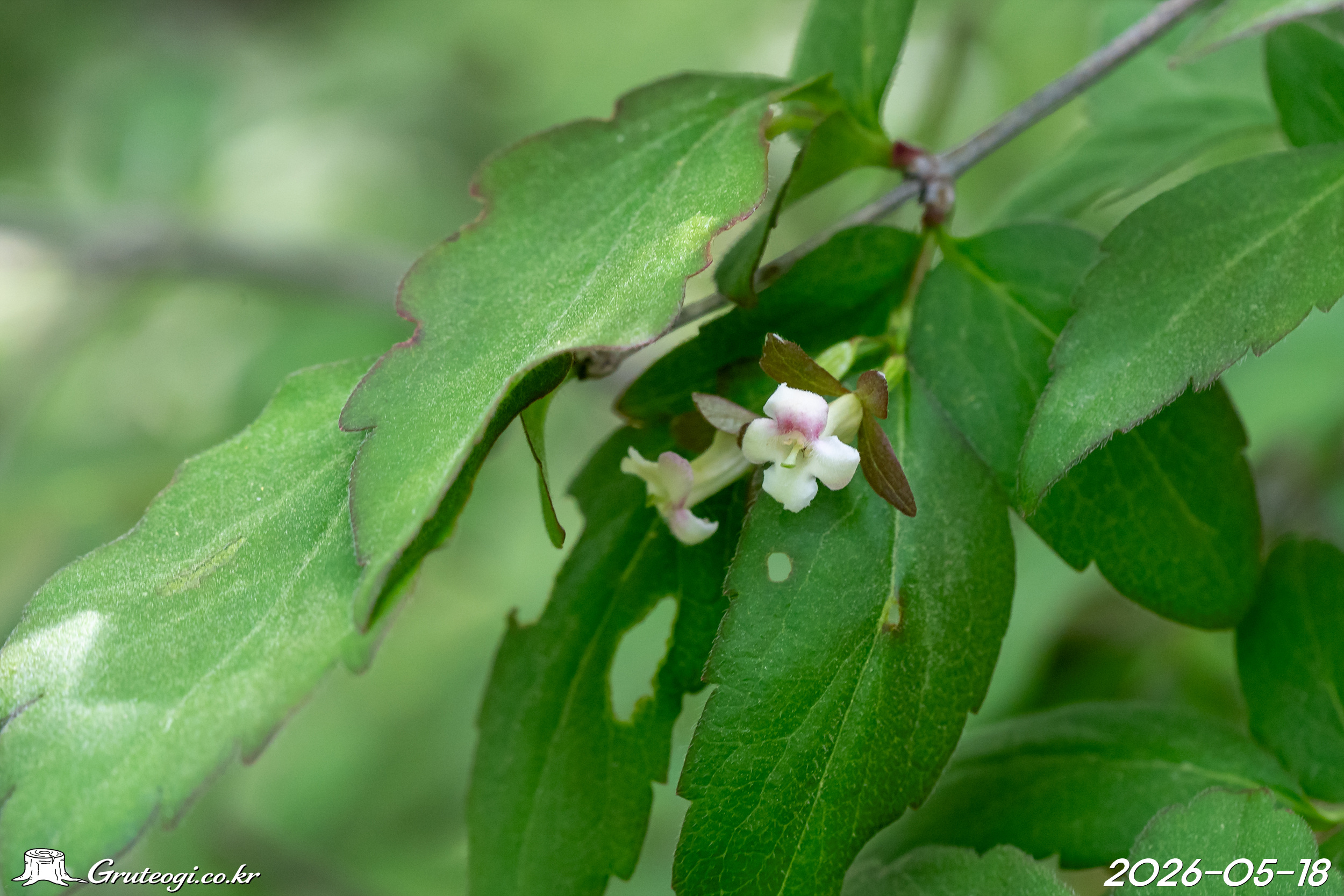
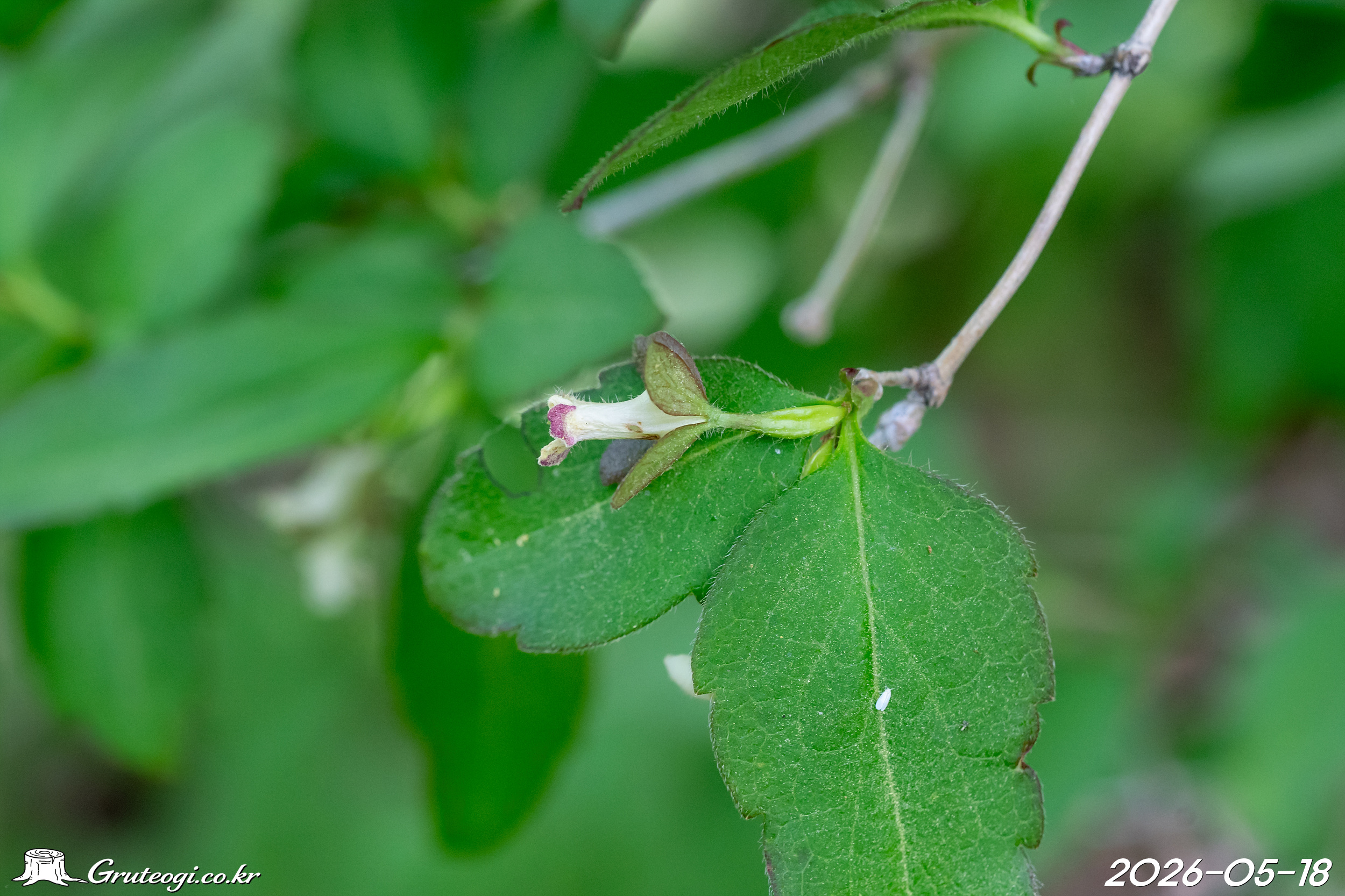
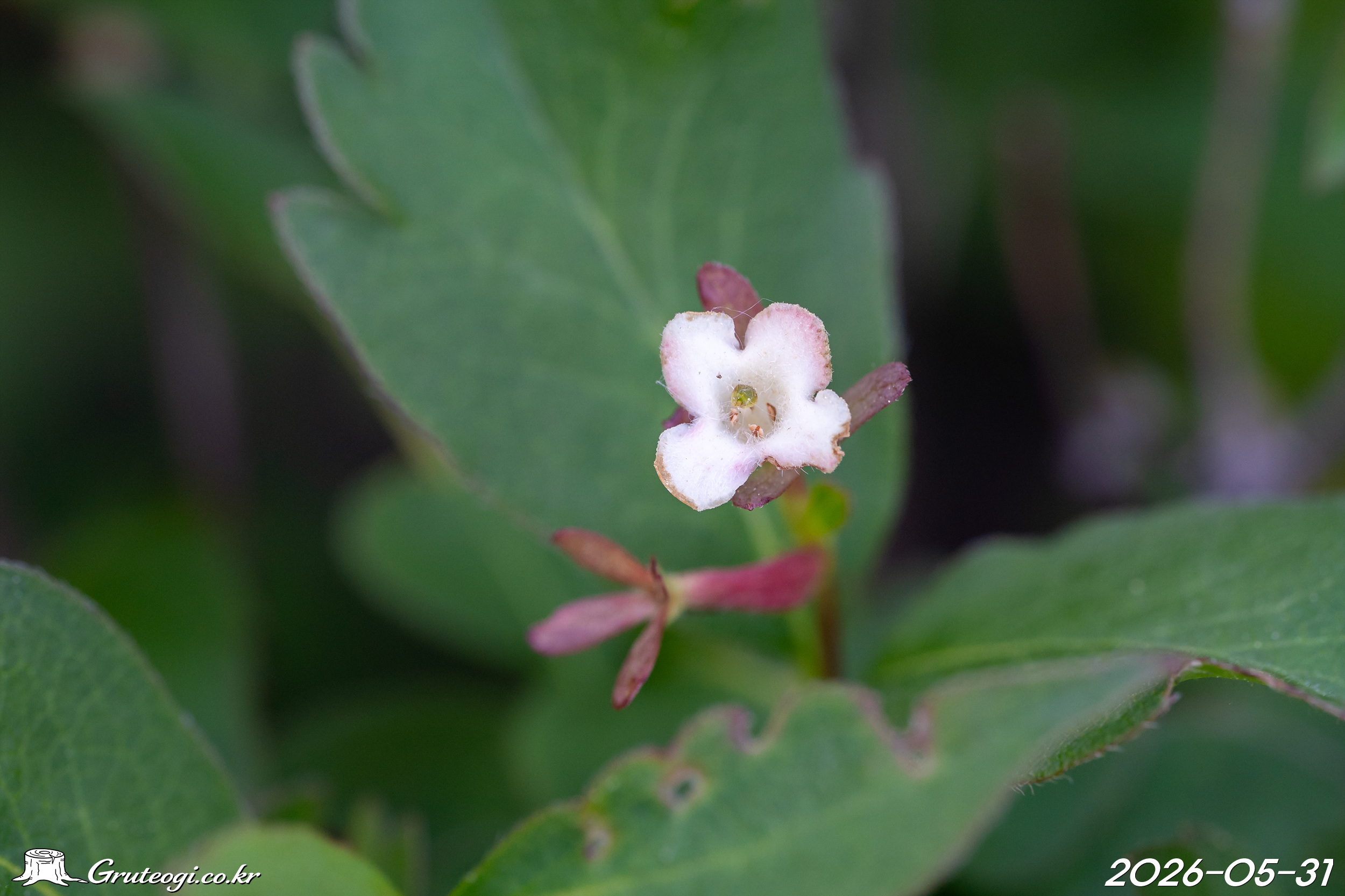
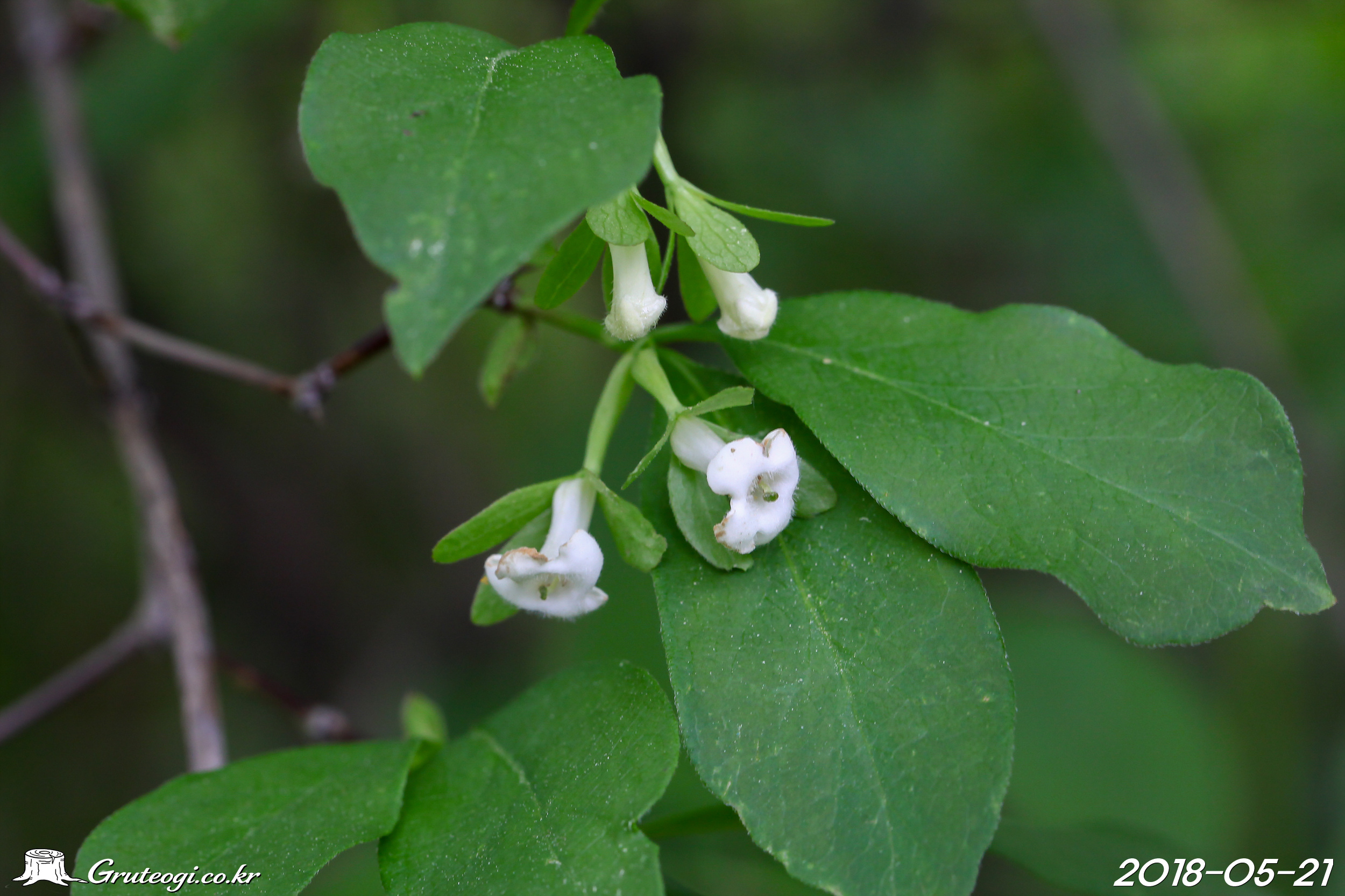
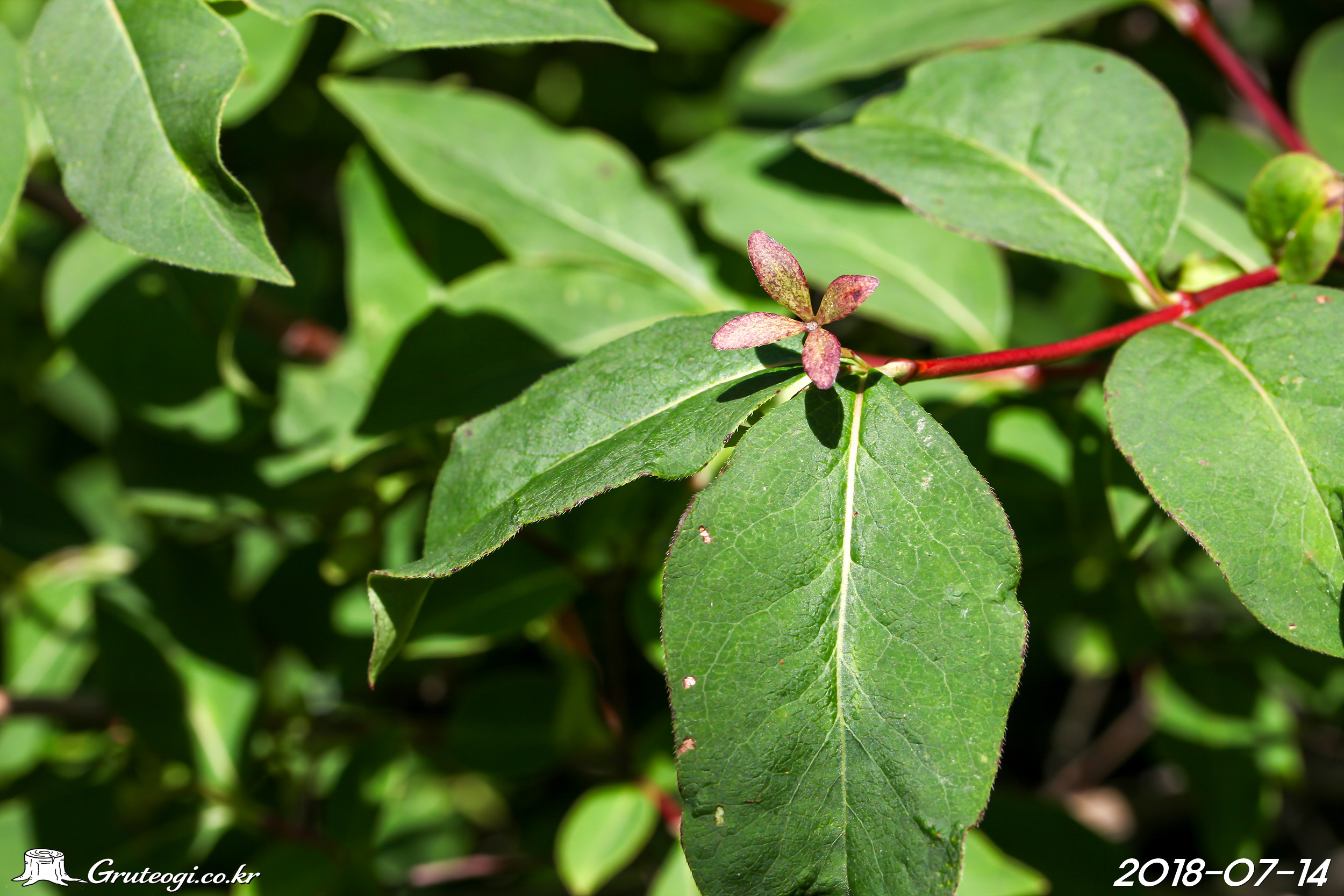
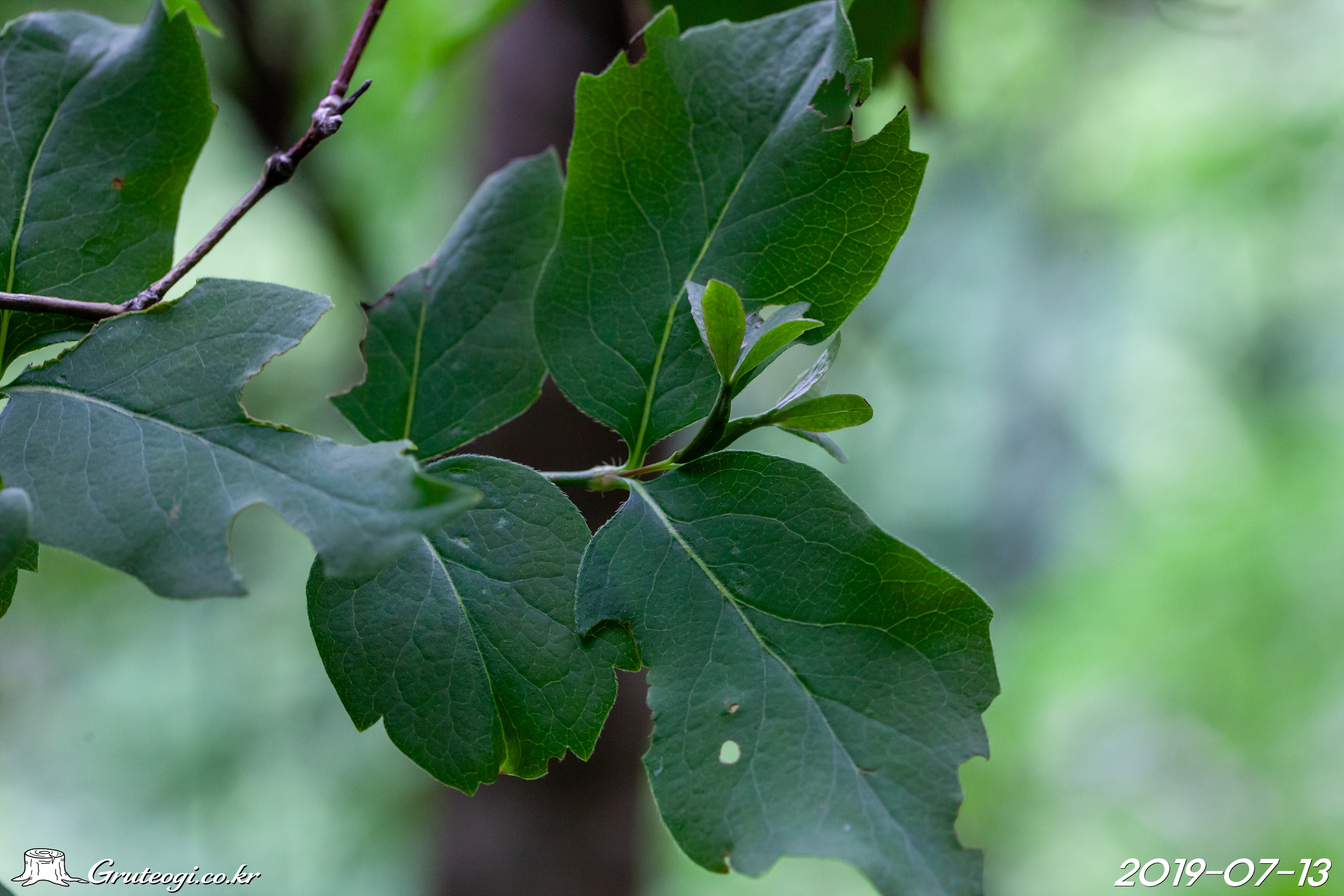
A deciduous shrub about 2 m tall. The main stem has six longitudinal grooves and coarse hairs, while young branches are reddish and glabrous. Leaves are opposite, ovate-lanceolate, pointed at both ends, and 3–7 cm long, with a few teeth on the upper half of the margin. The upper leaf surface is sparsely hairy, and the lower surface bears hairs along the veins and margins. Flowers appear from April to May at branch tips, with two flowers on each peduncle. The calyx tube is divided into four parts and hairy along the margin, and the corolla is funnel-shaped. The fruit is a linear-oblong achene maturing from September to October.
■ 사진
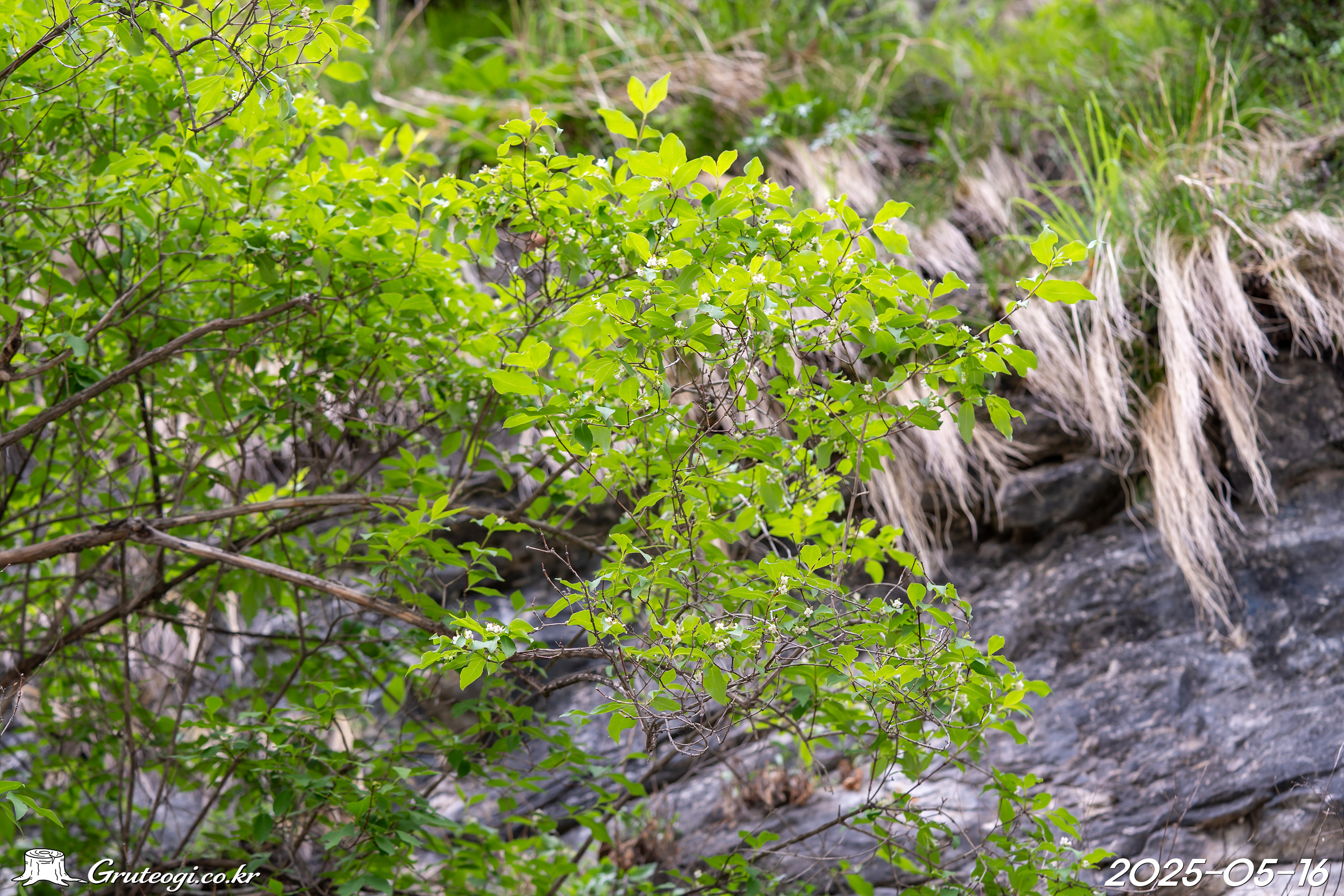
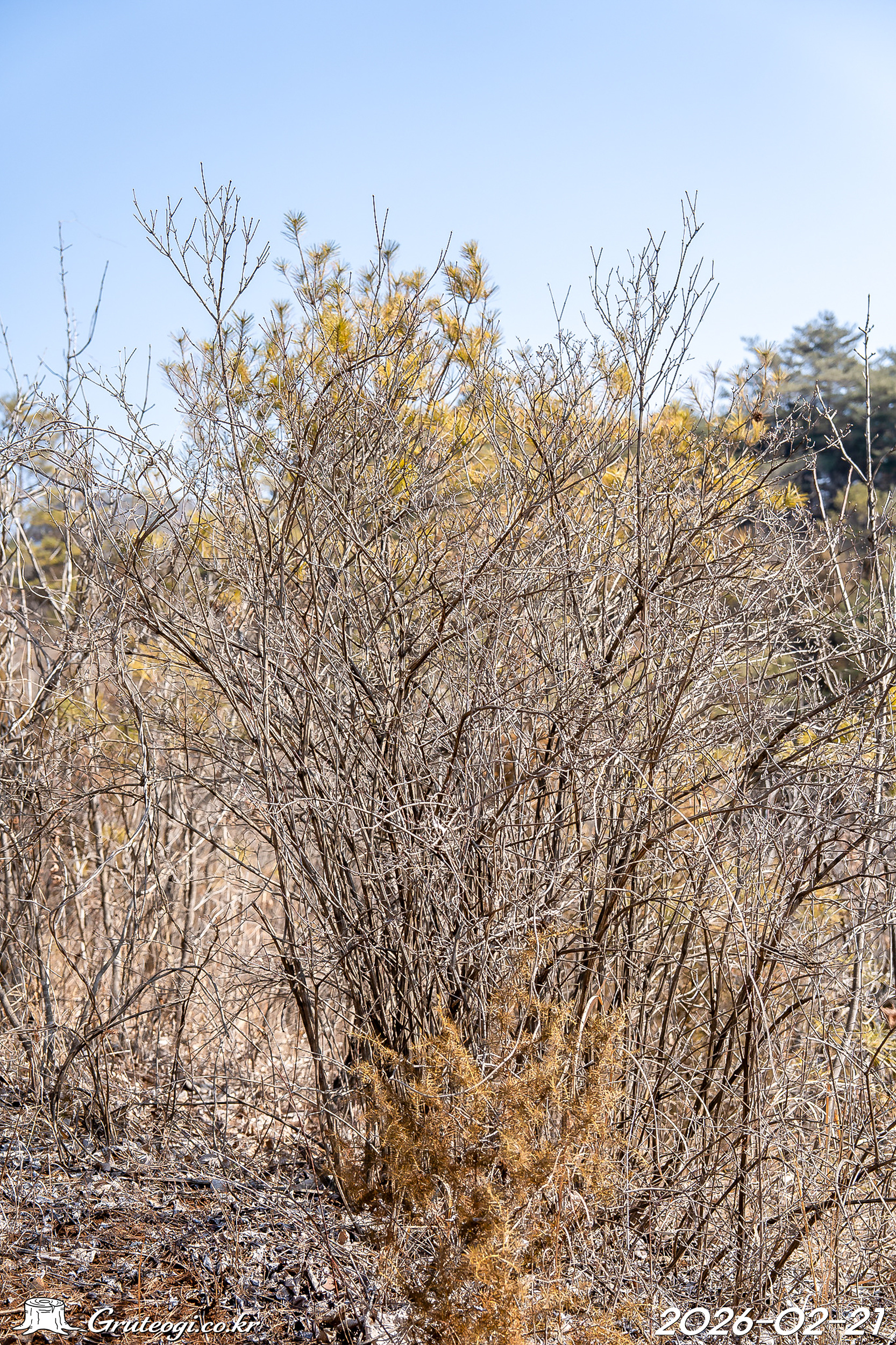
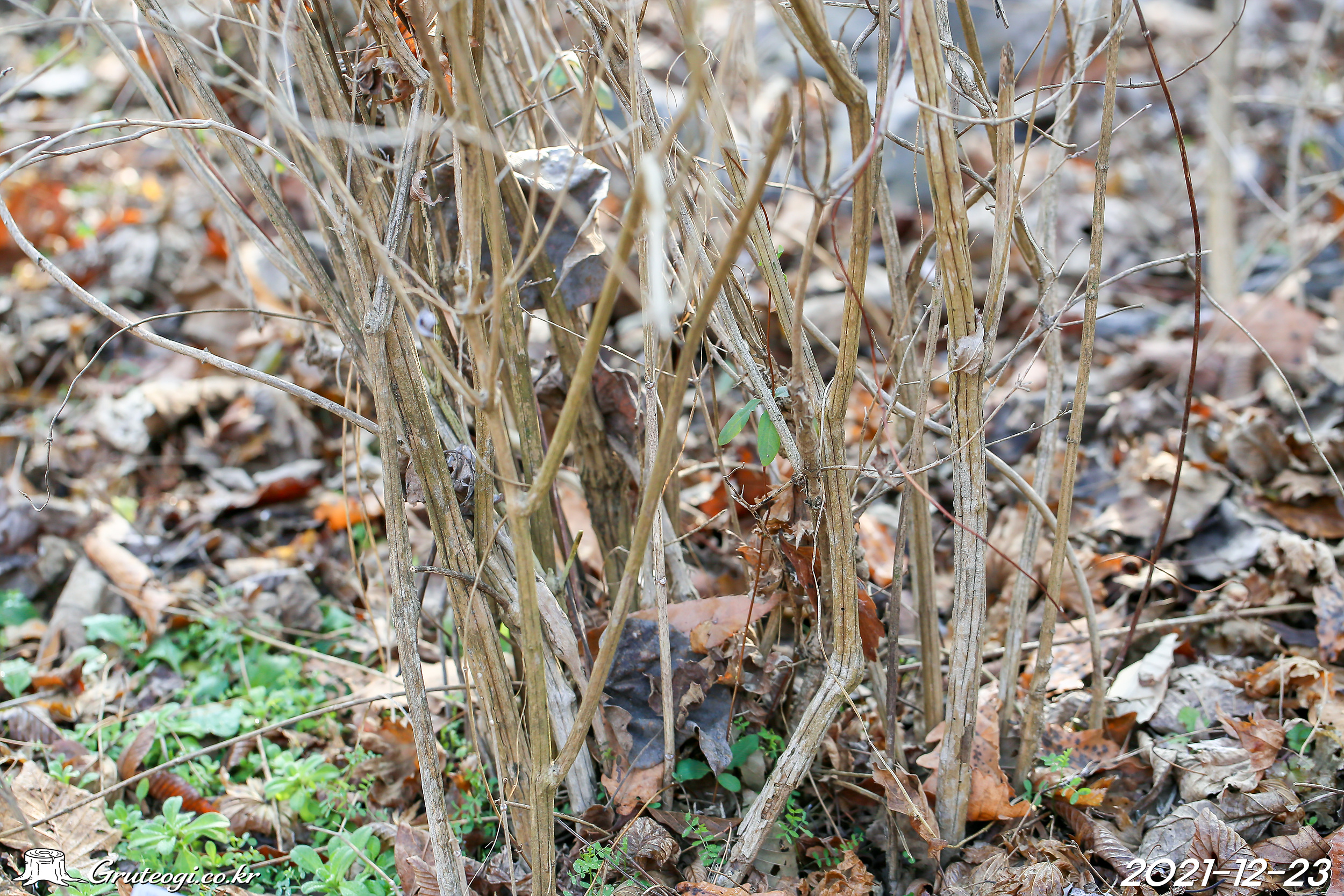
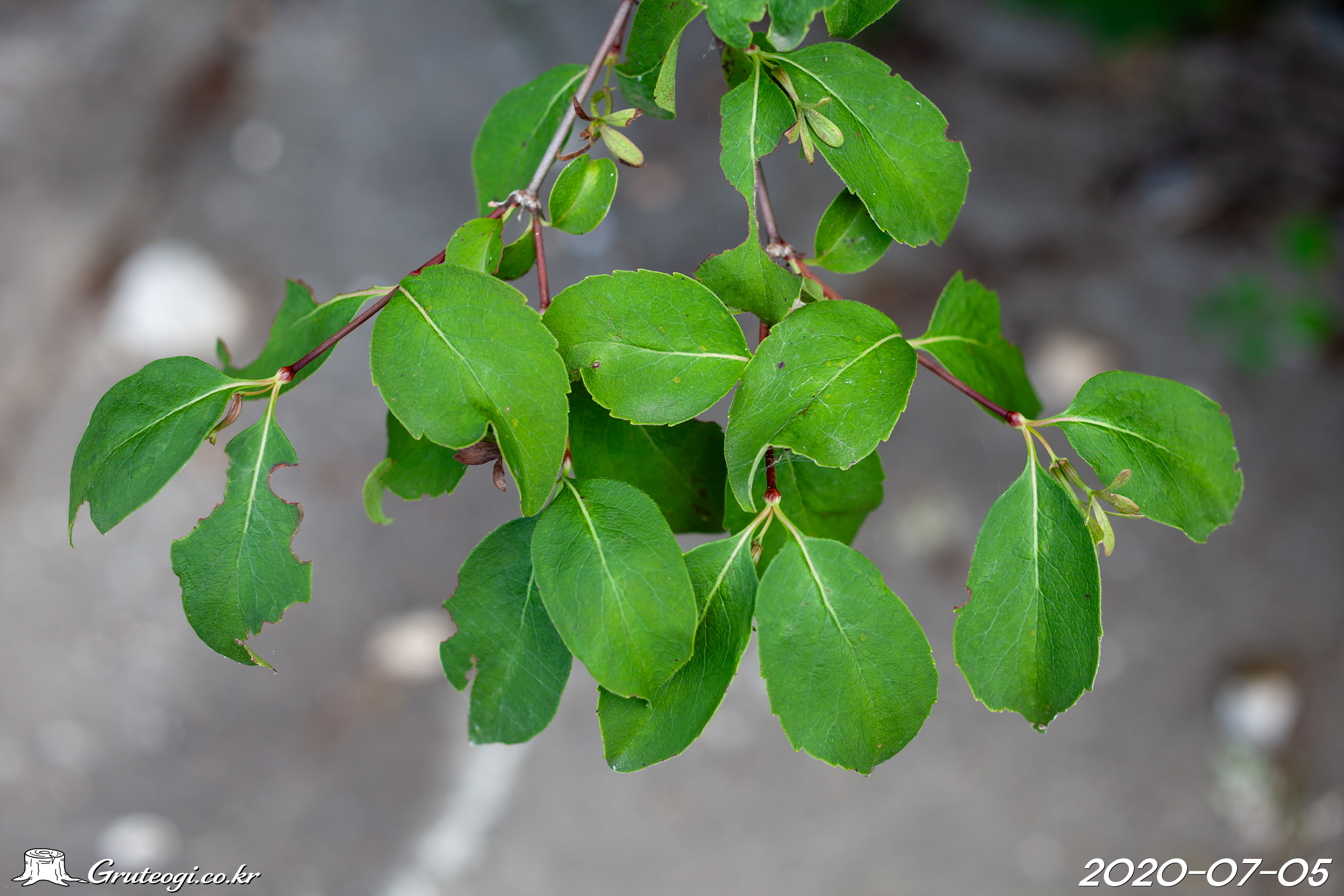
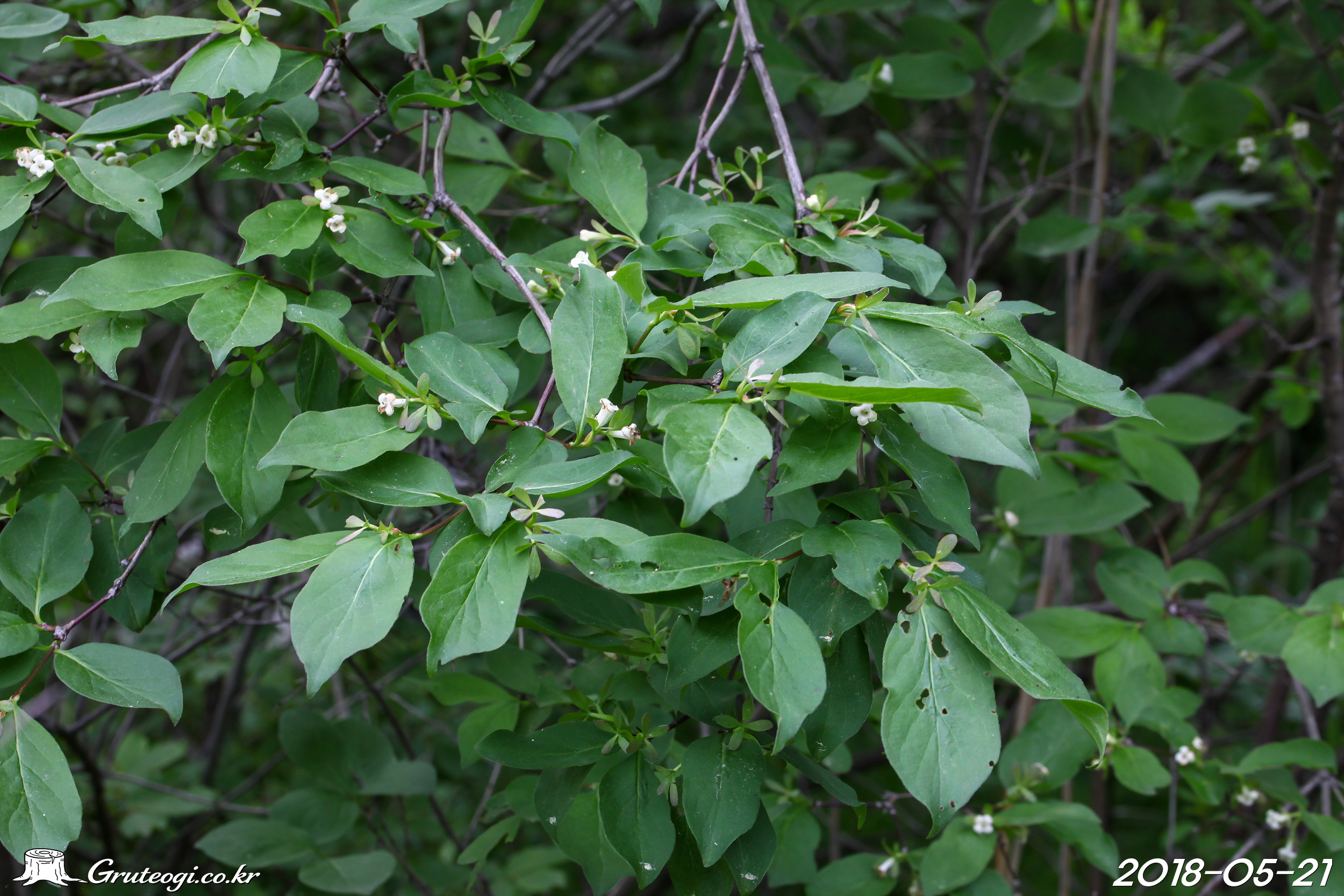
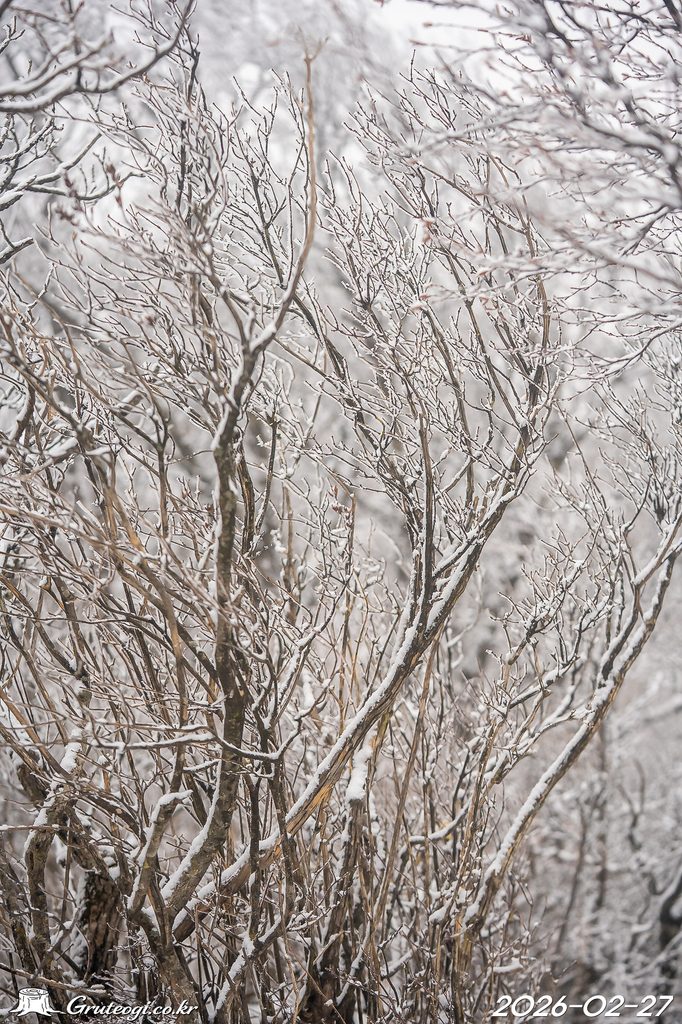
Habit
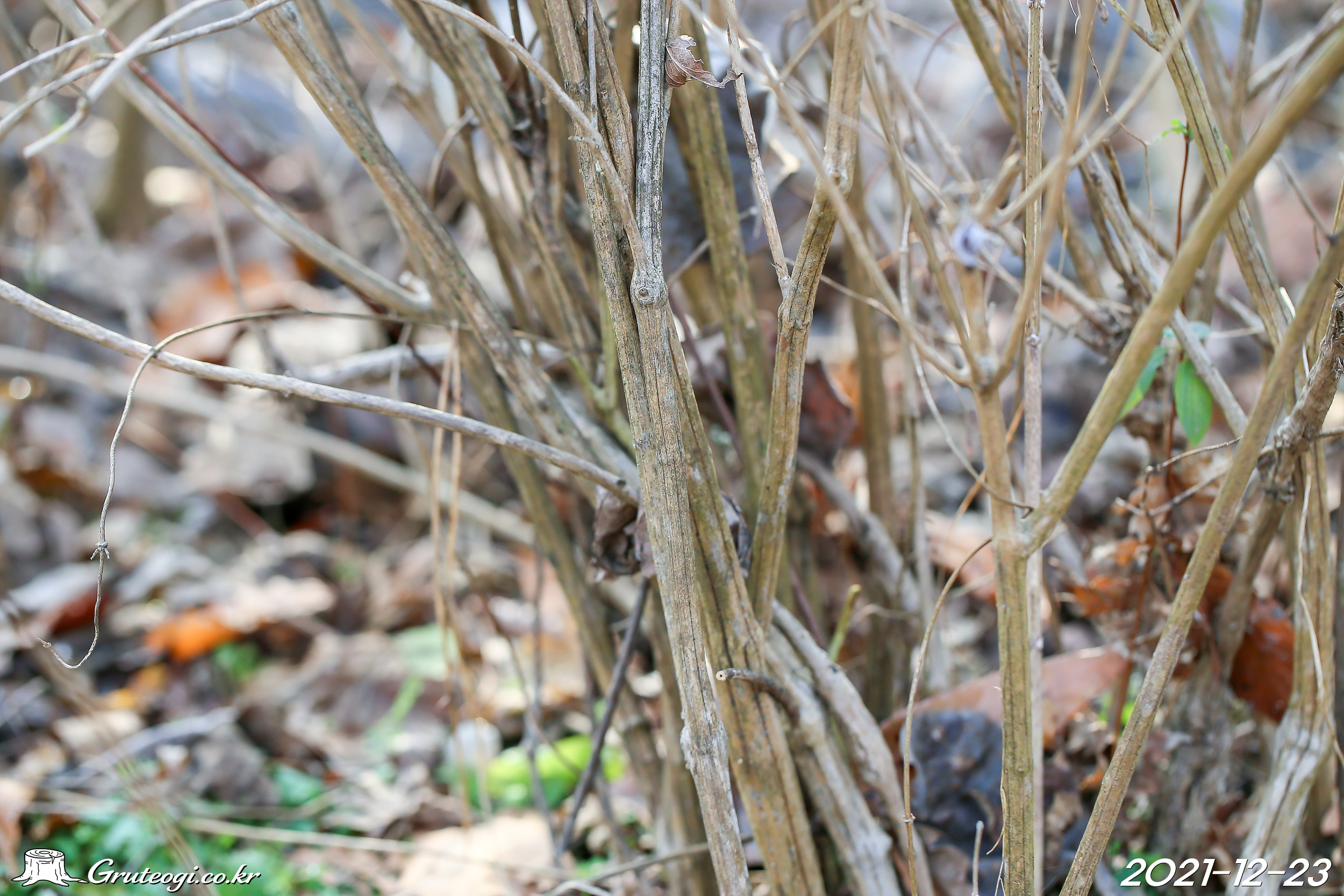
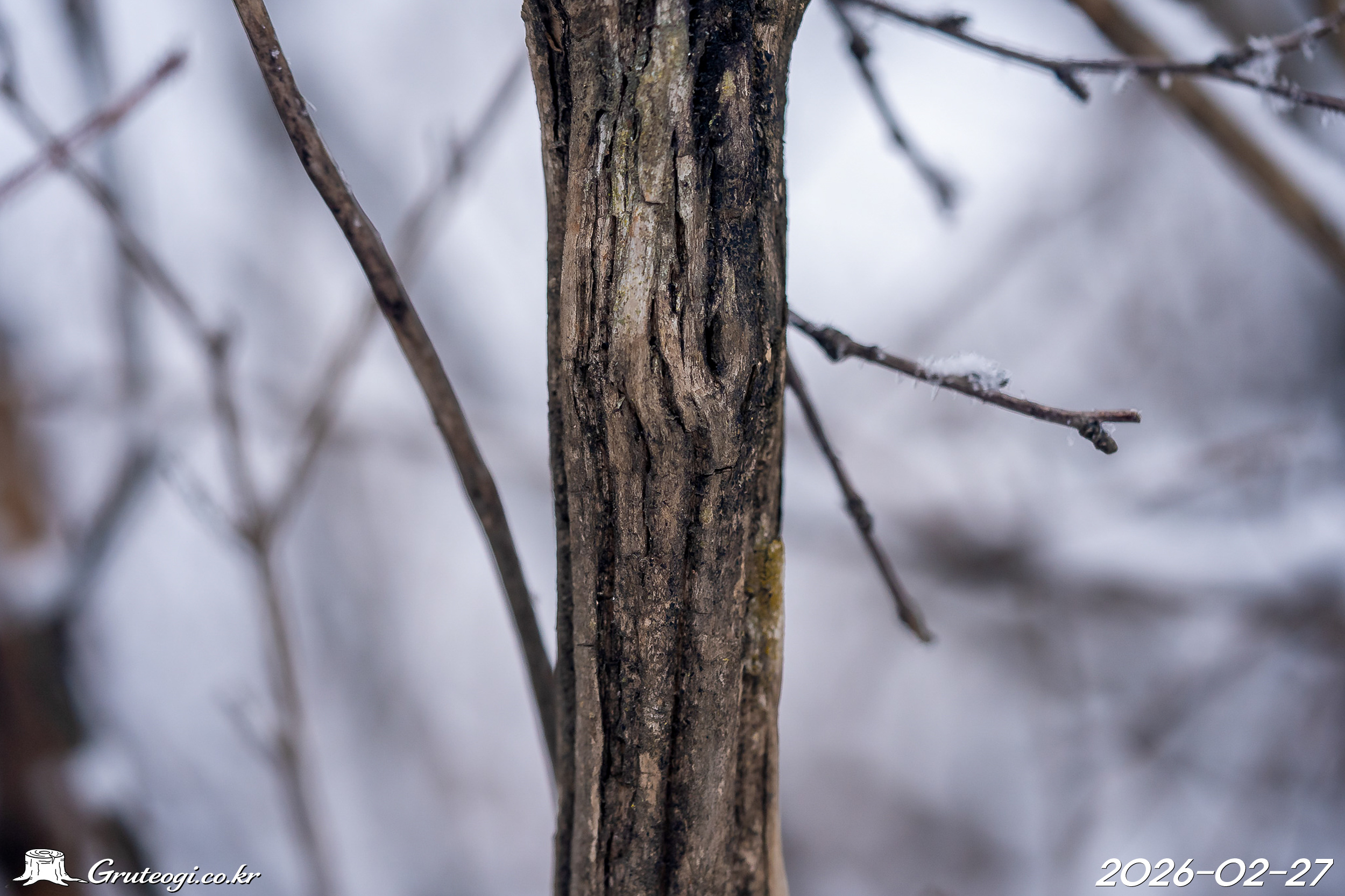
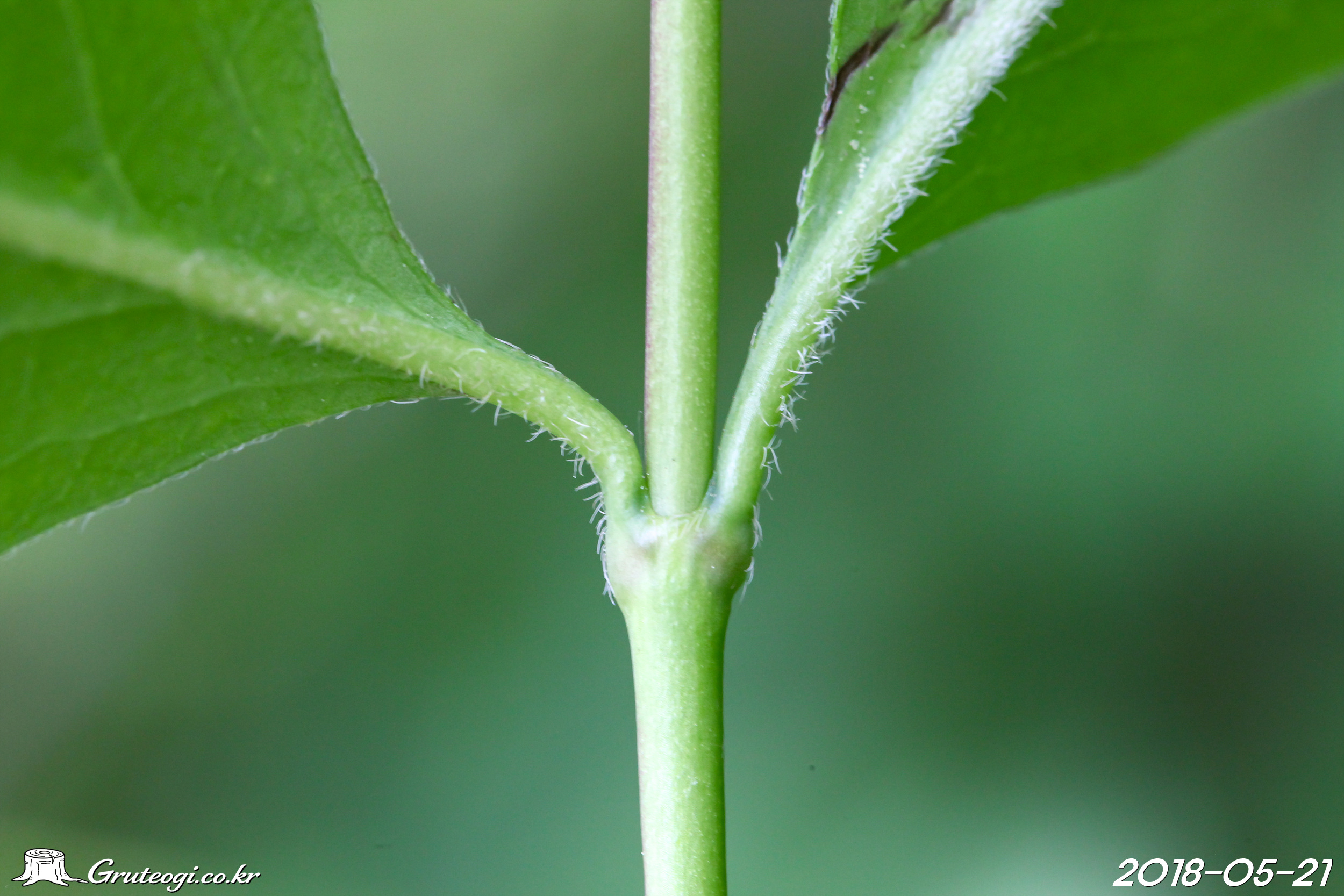
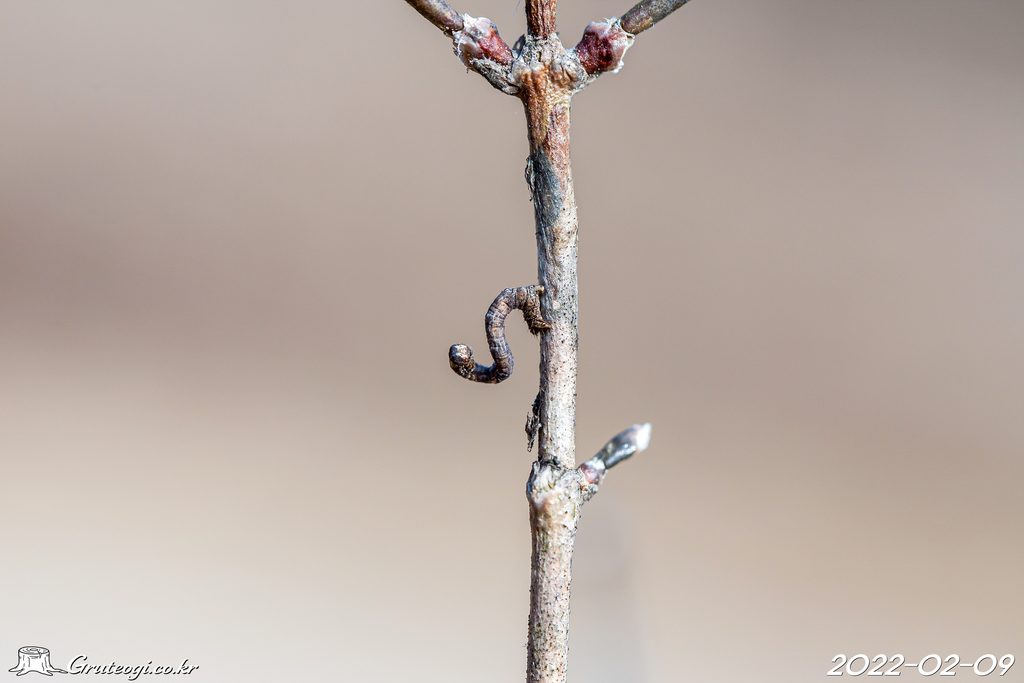
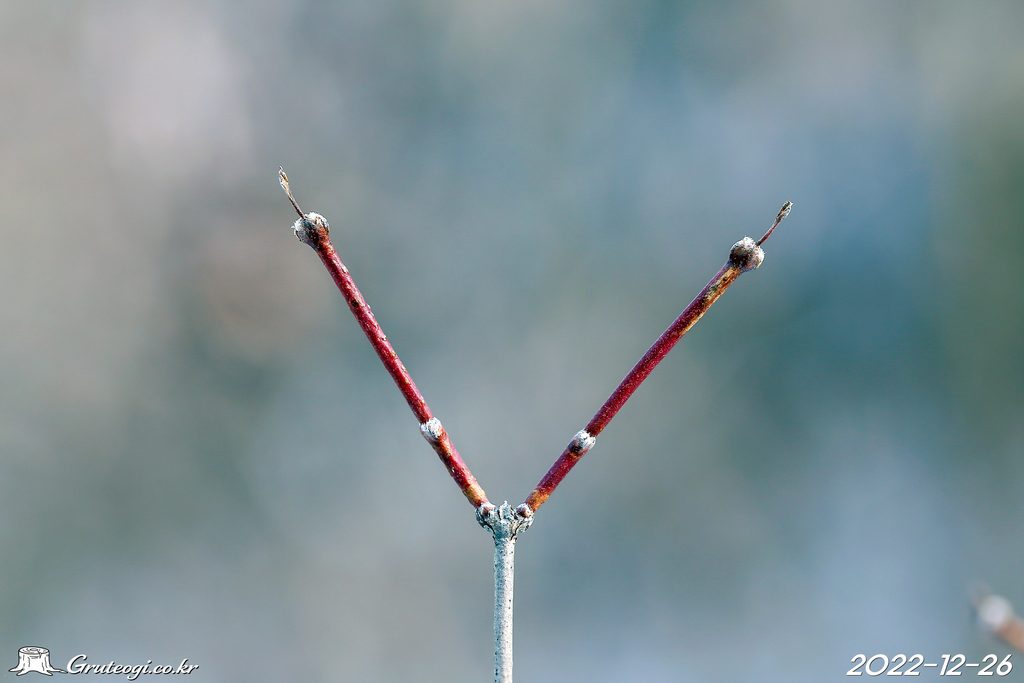
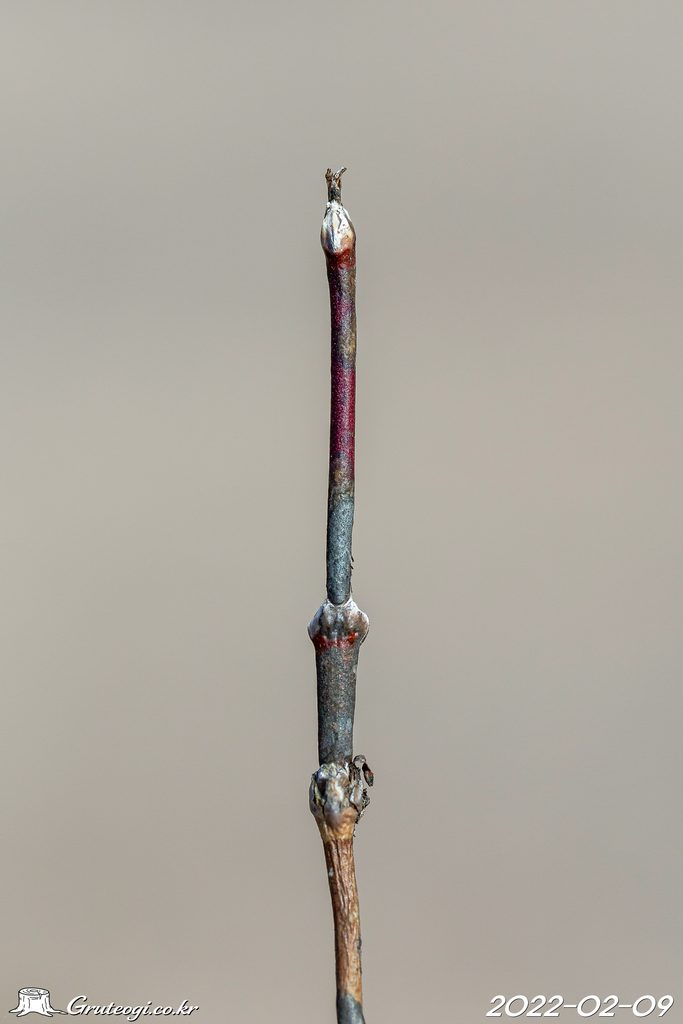
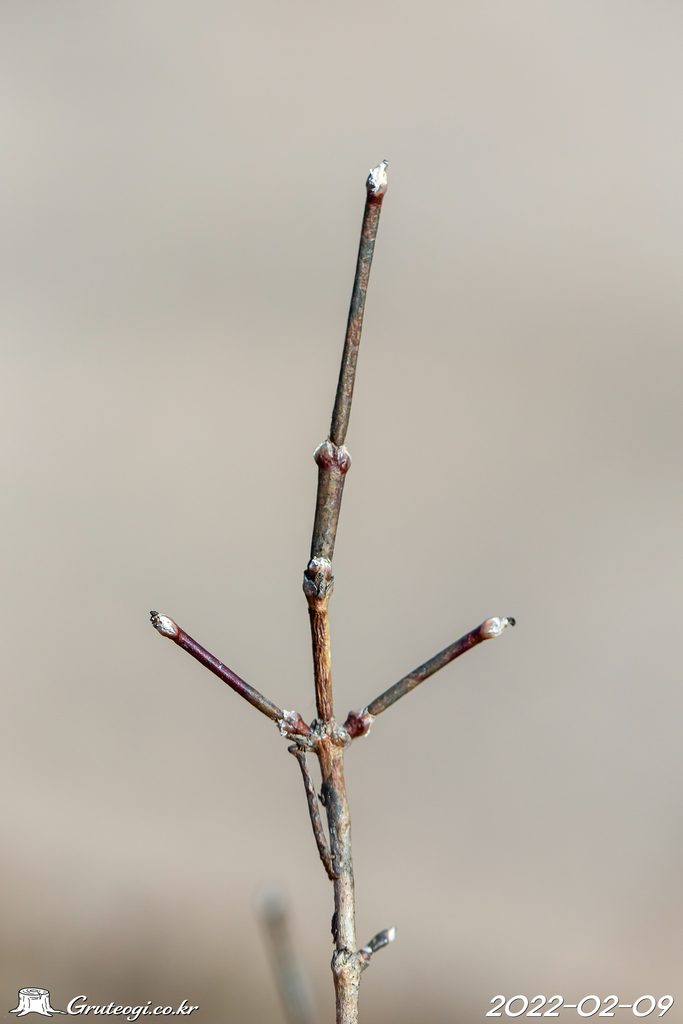
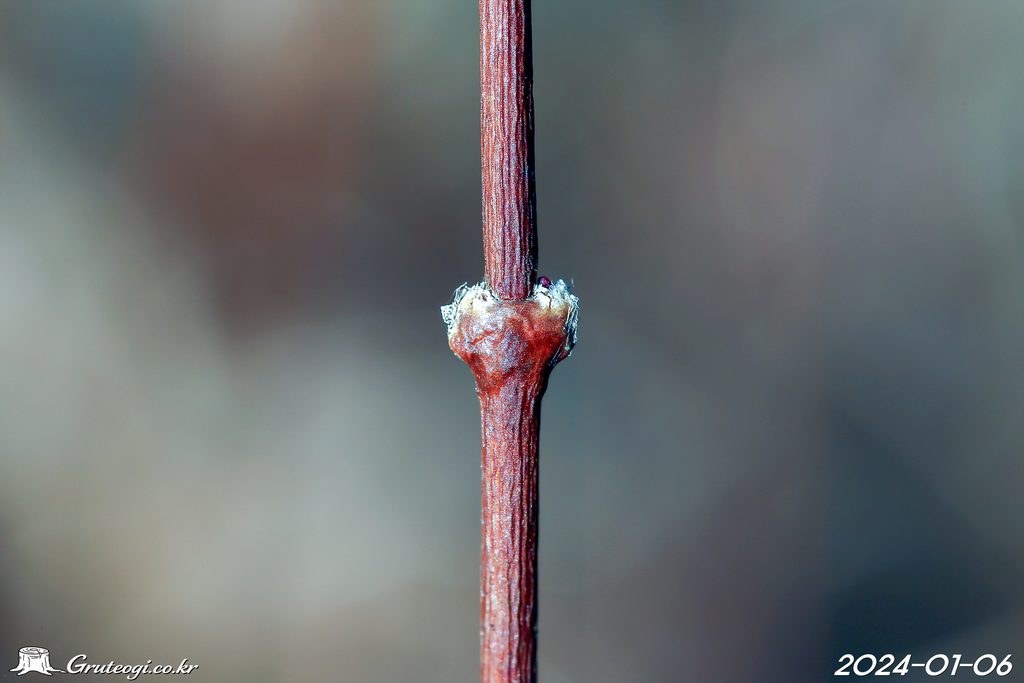
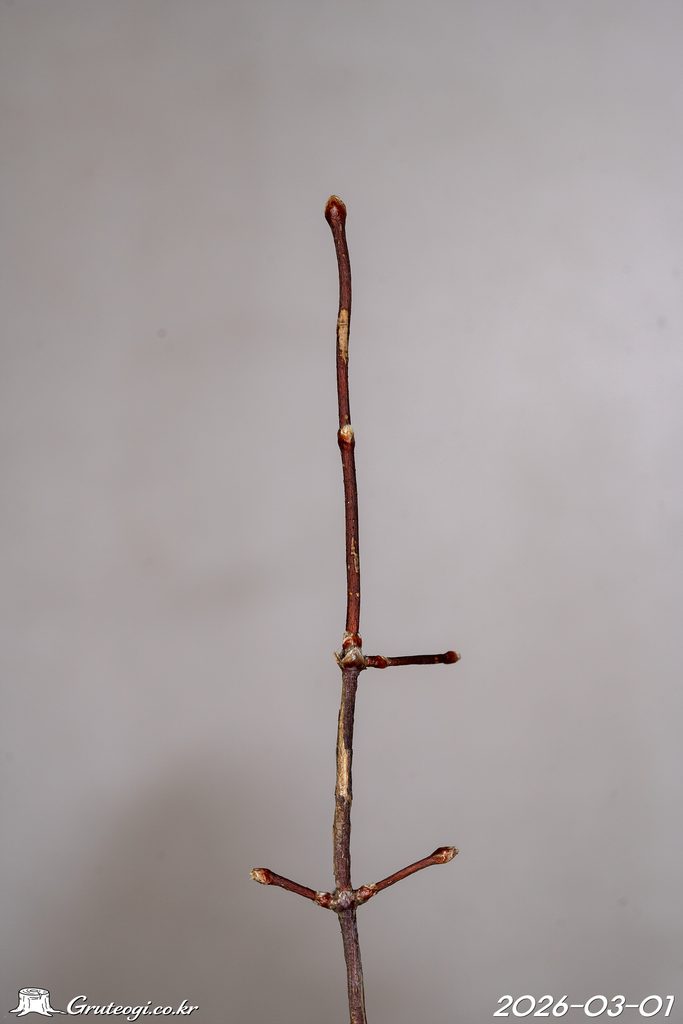
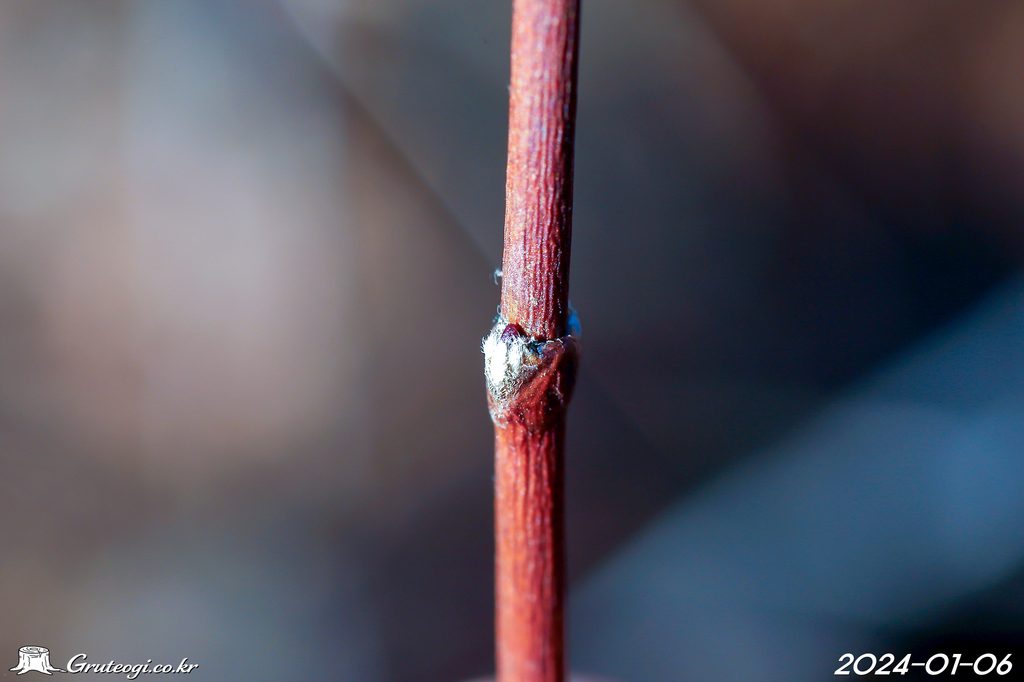
Stem
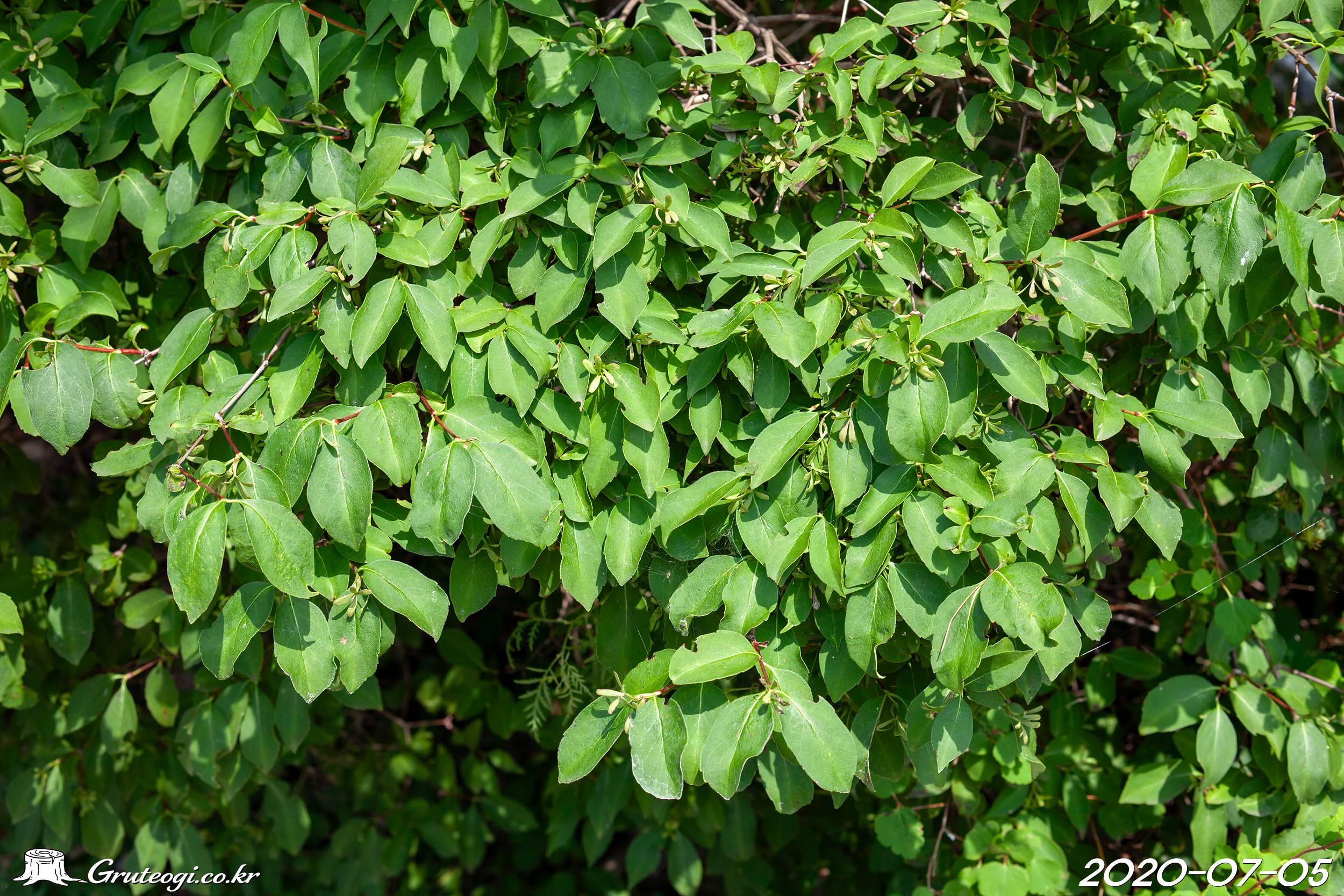
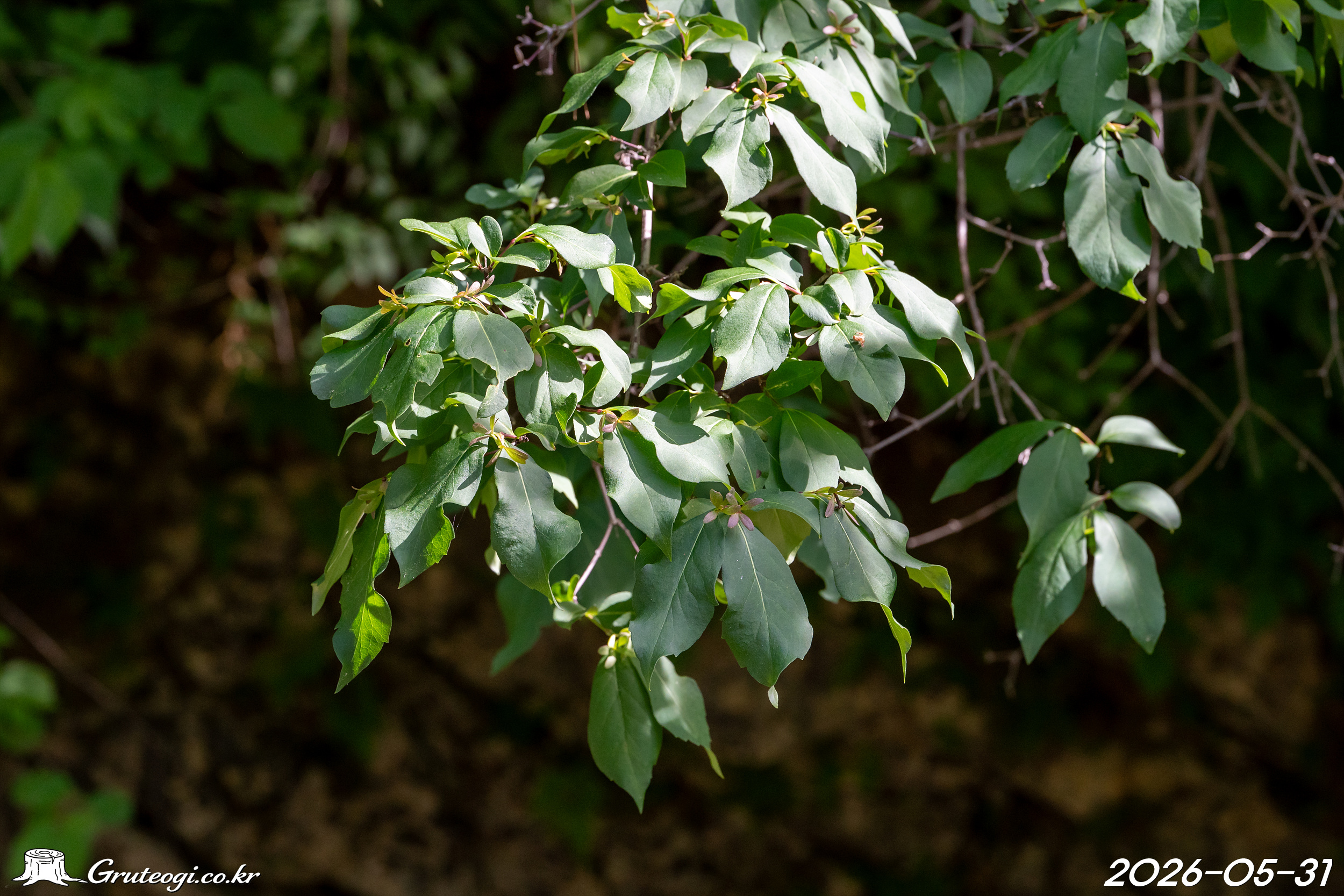
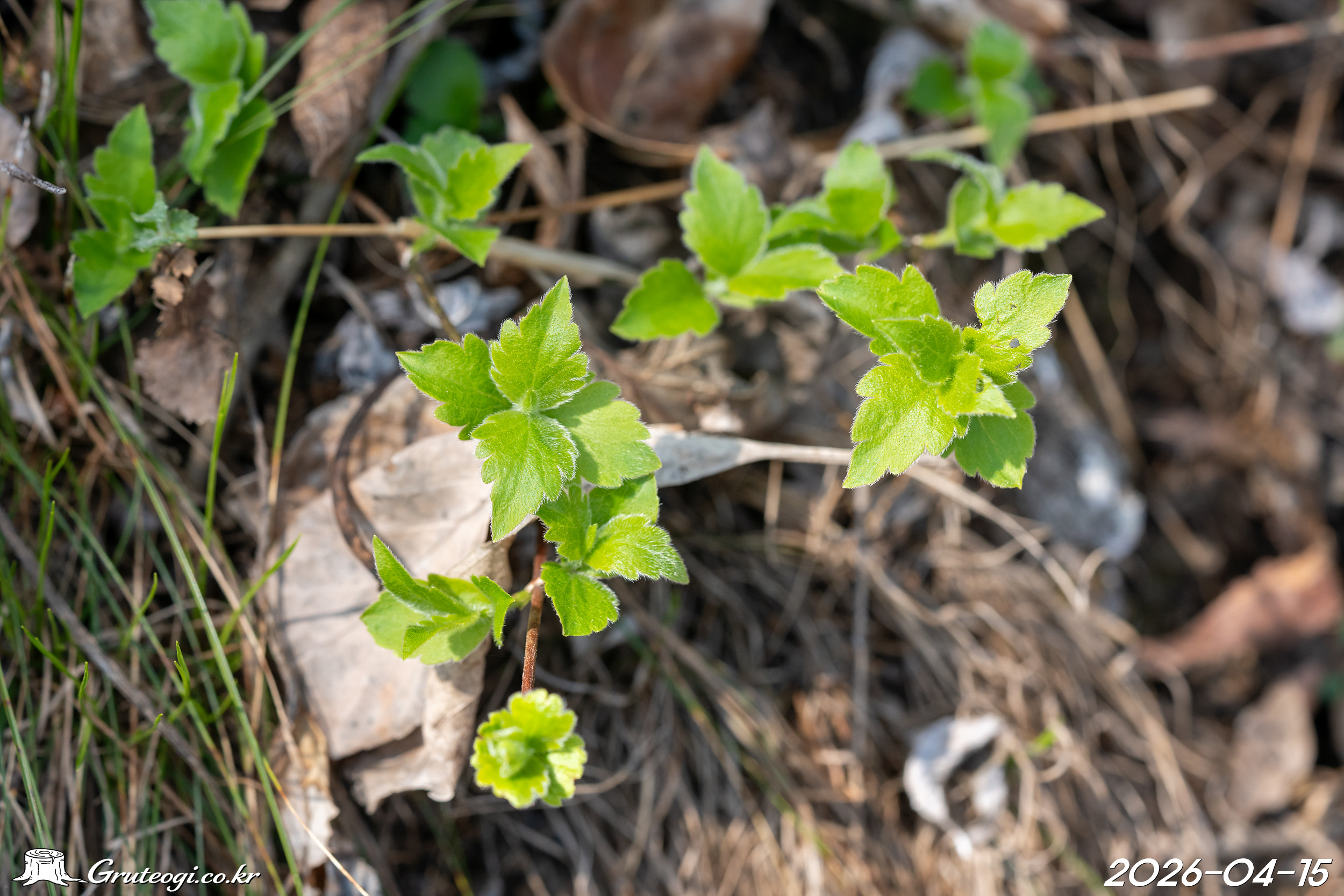
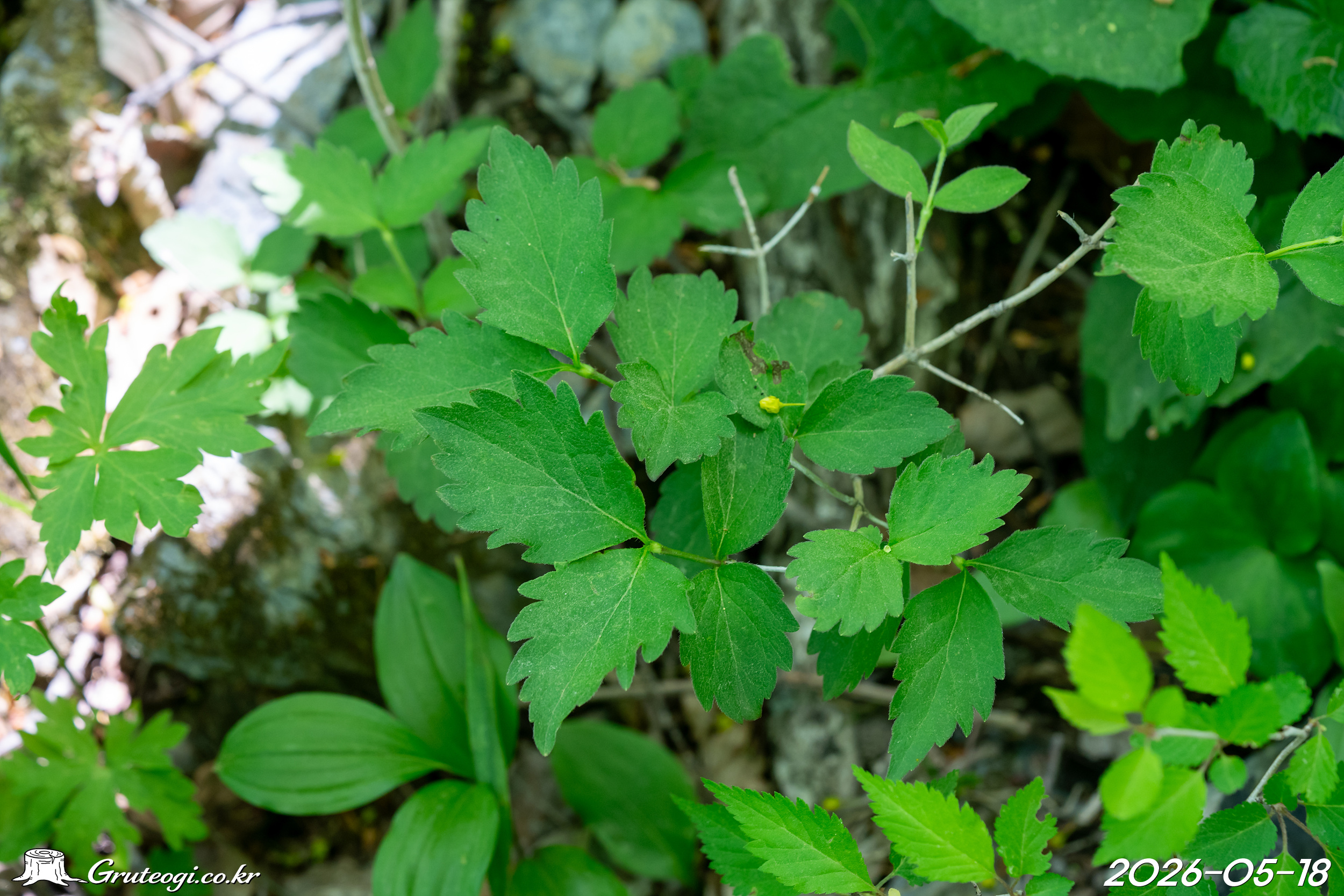
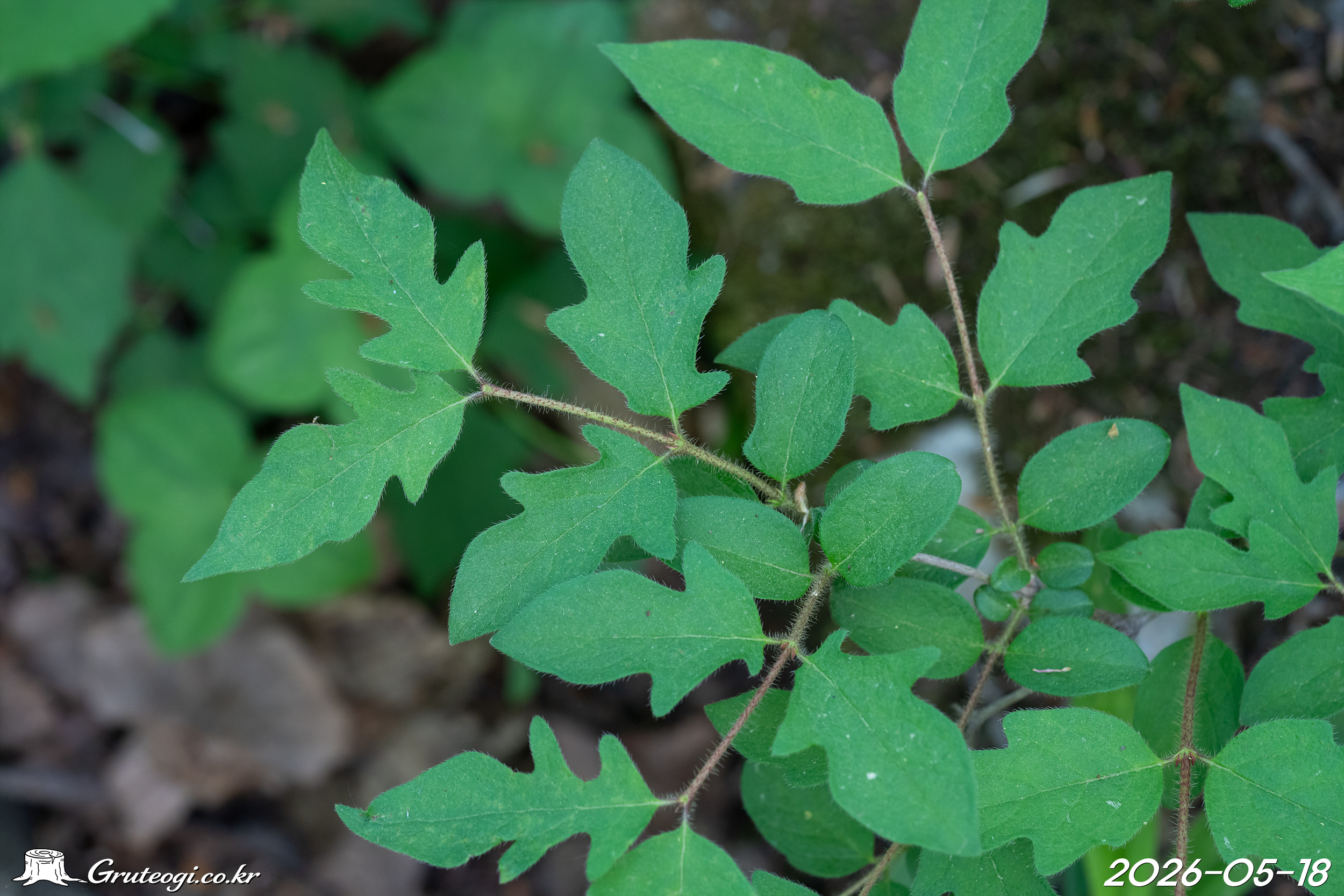
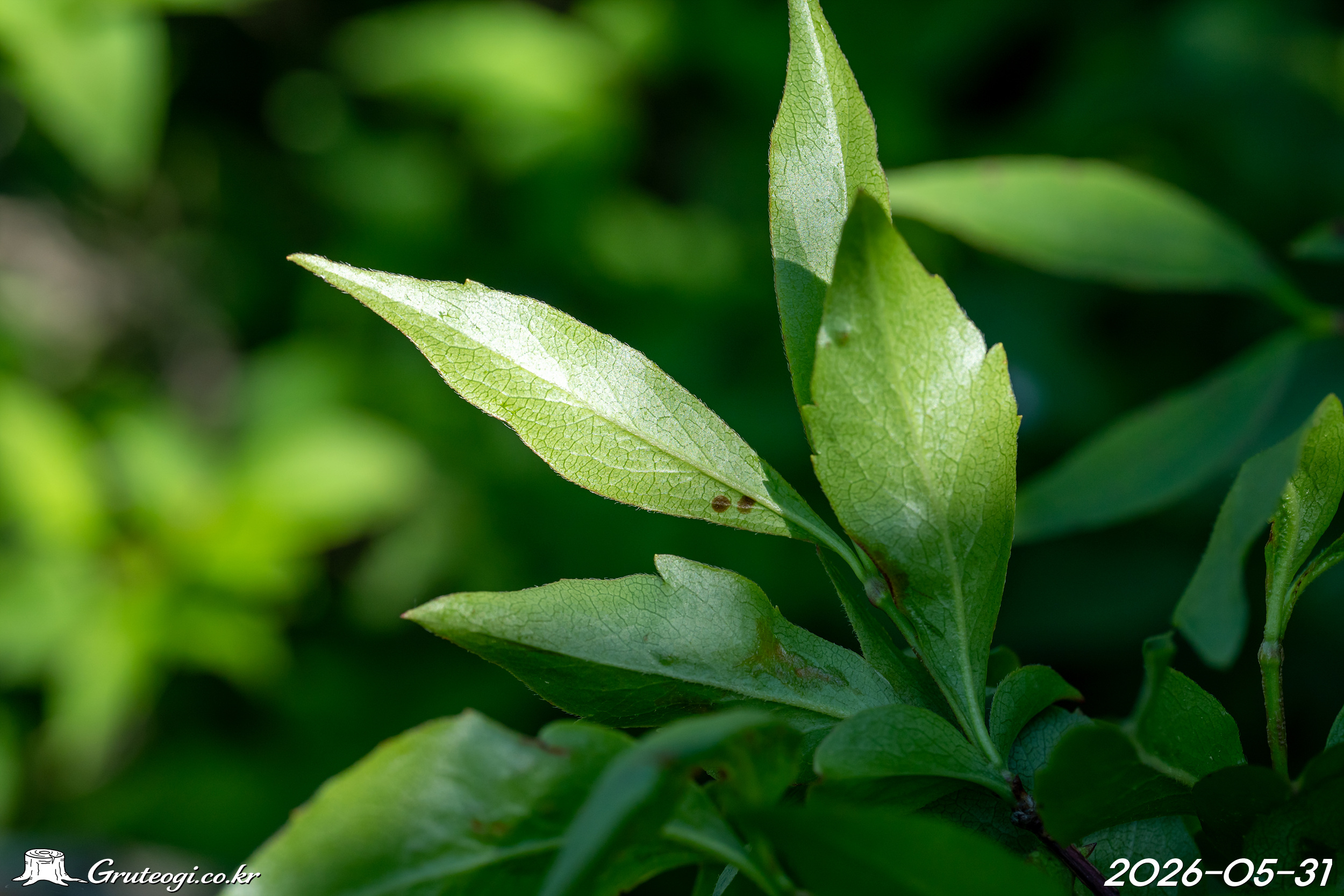
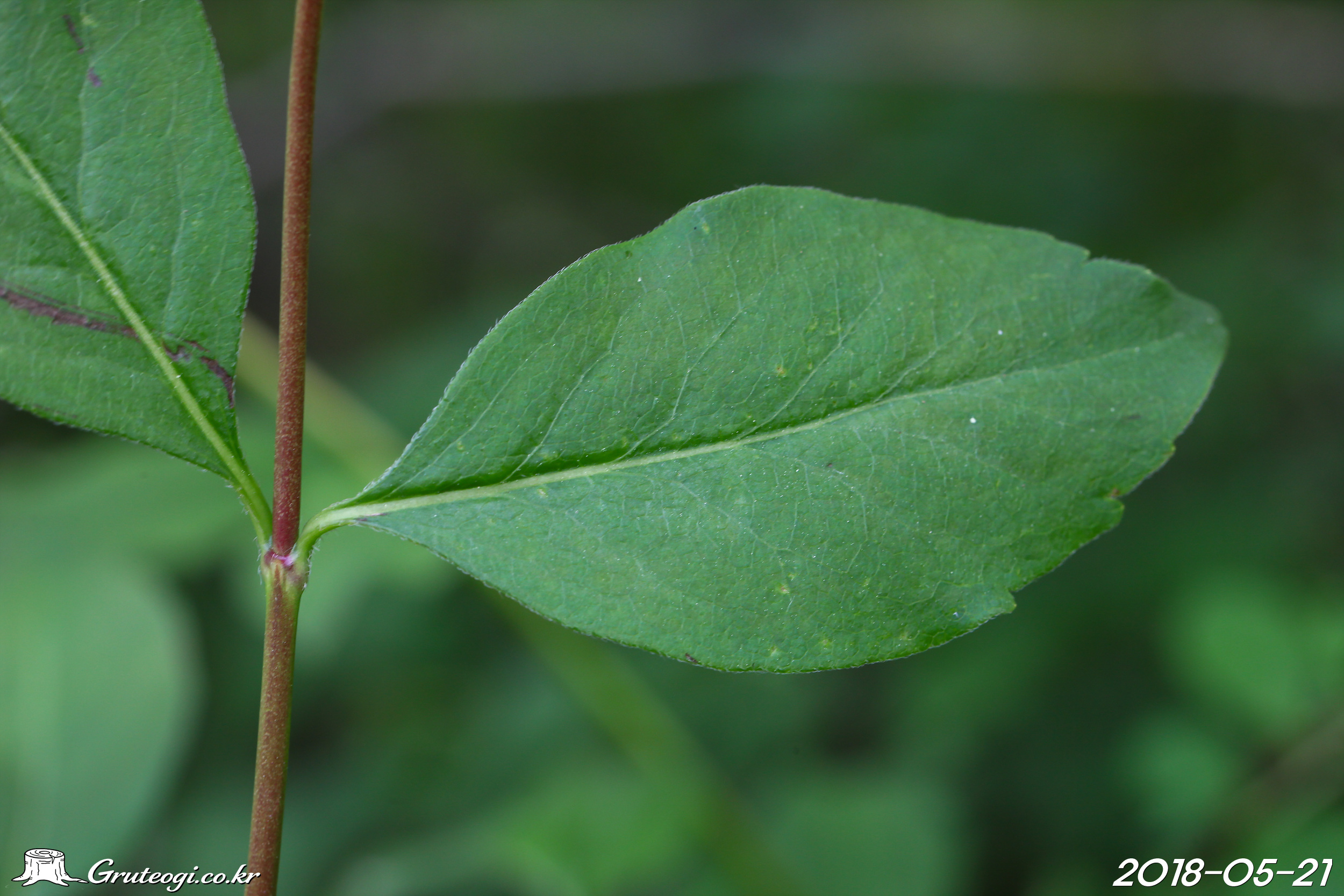
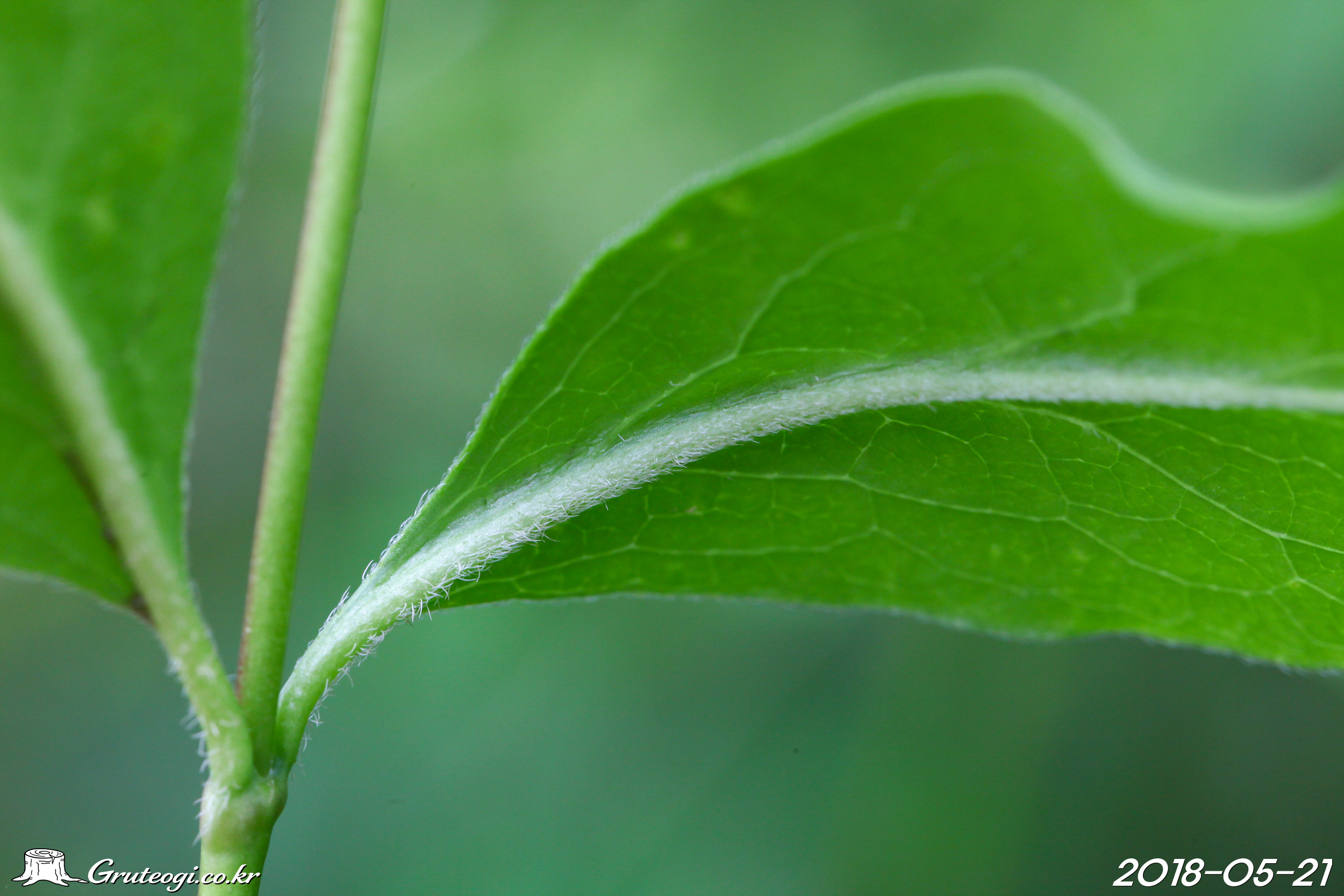
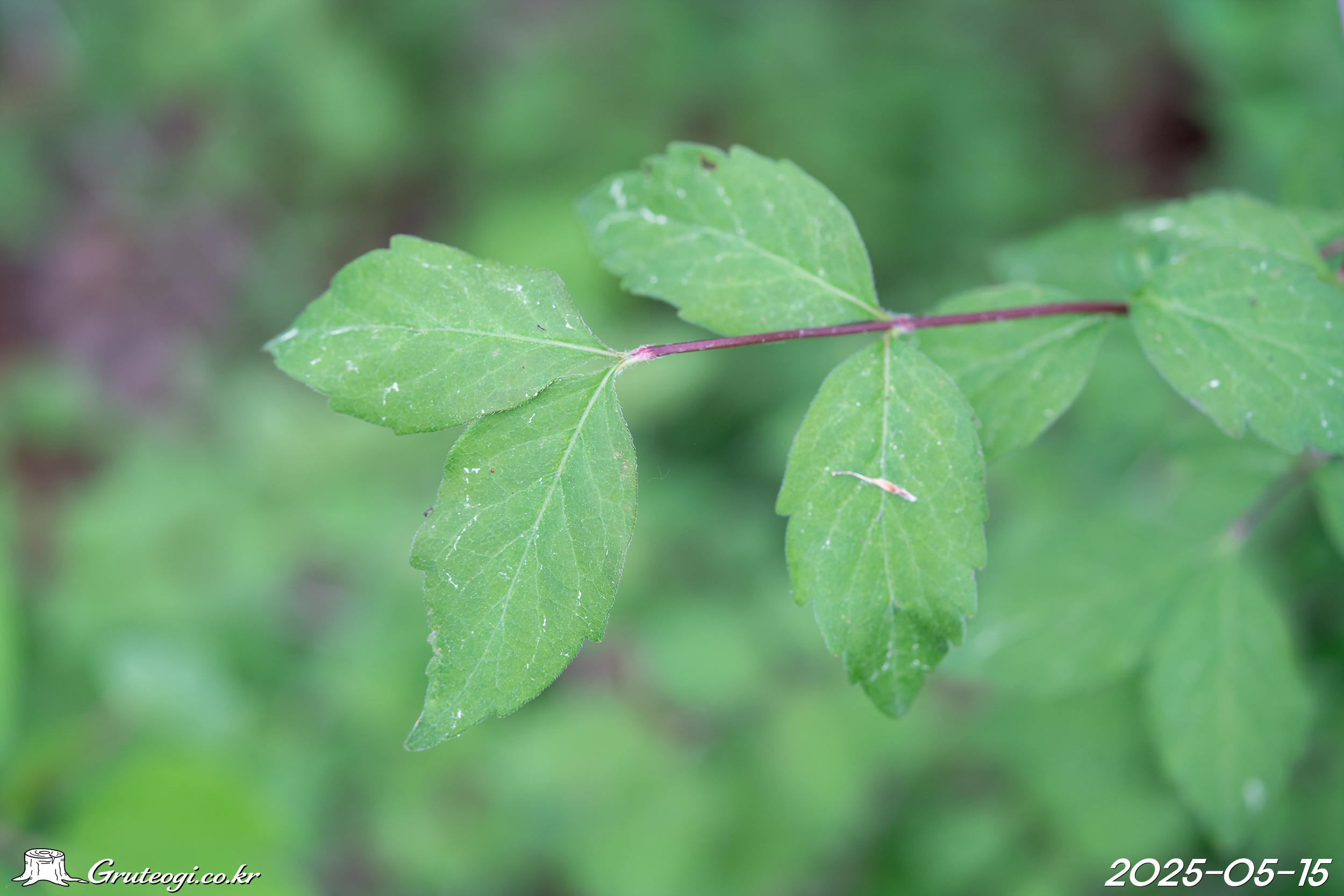
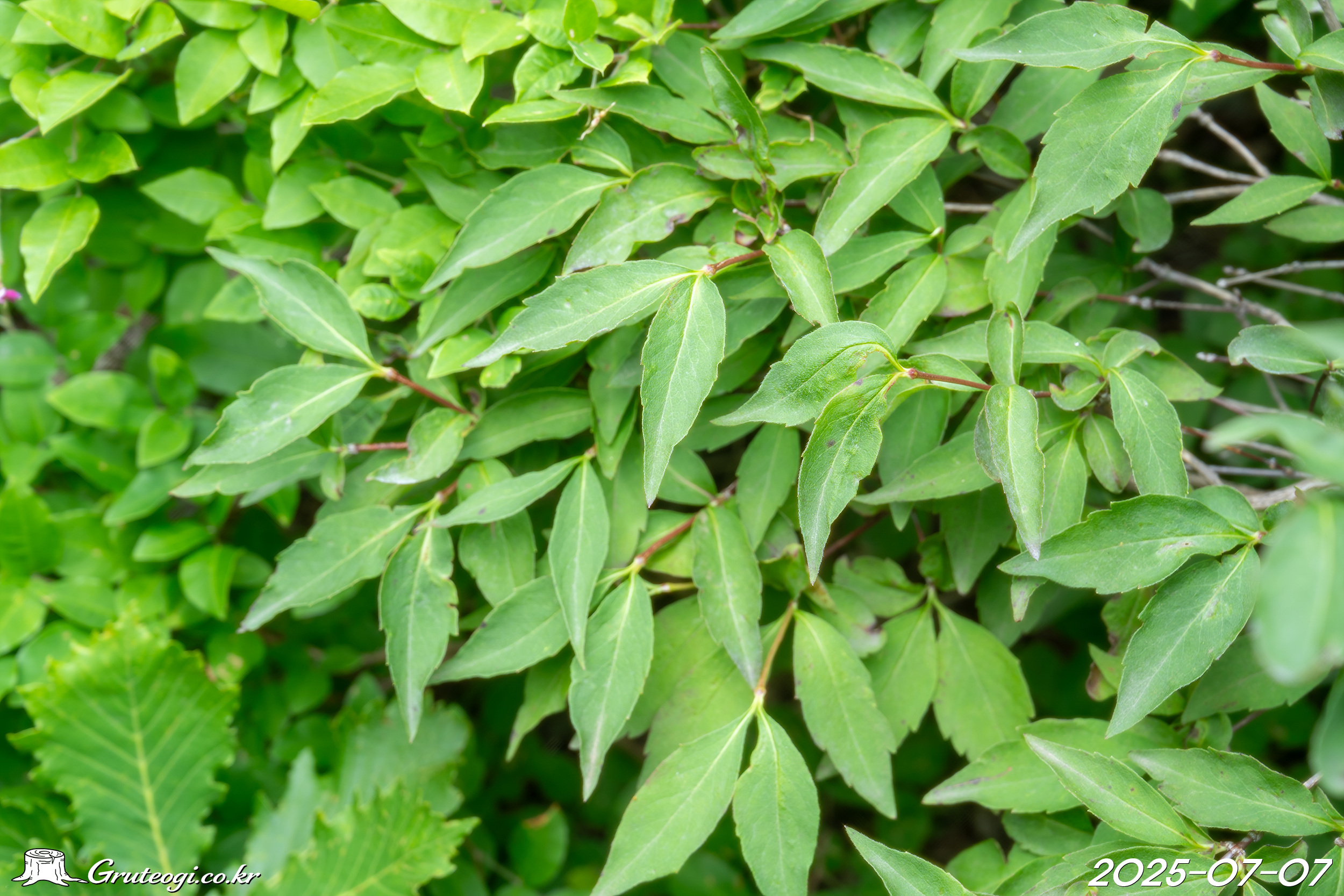
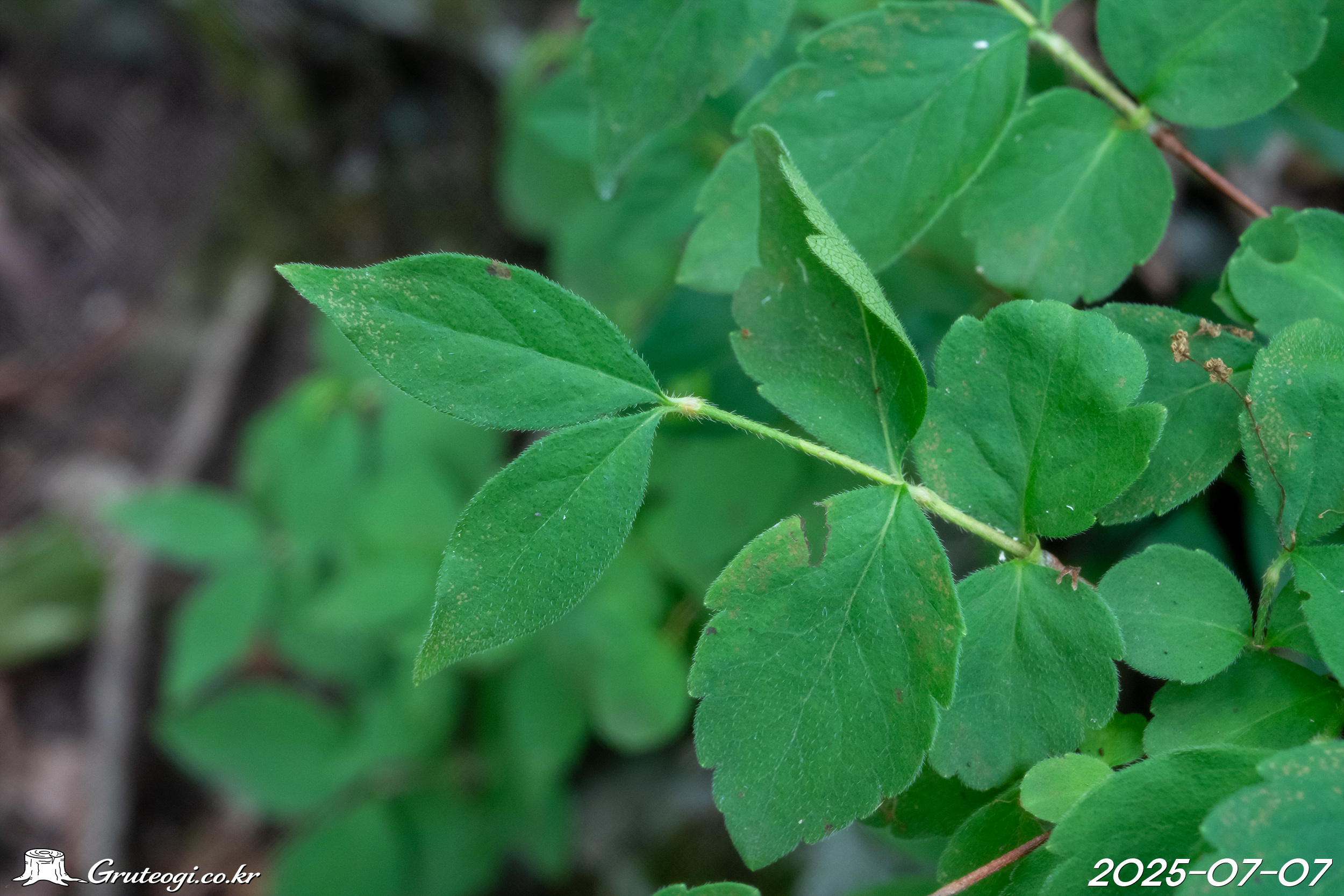
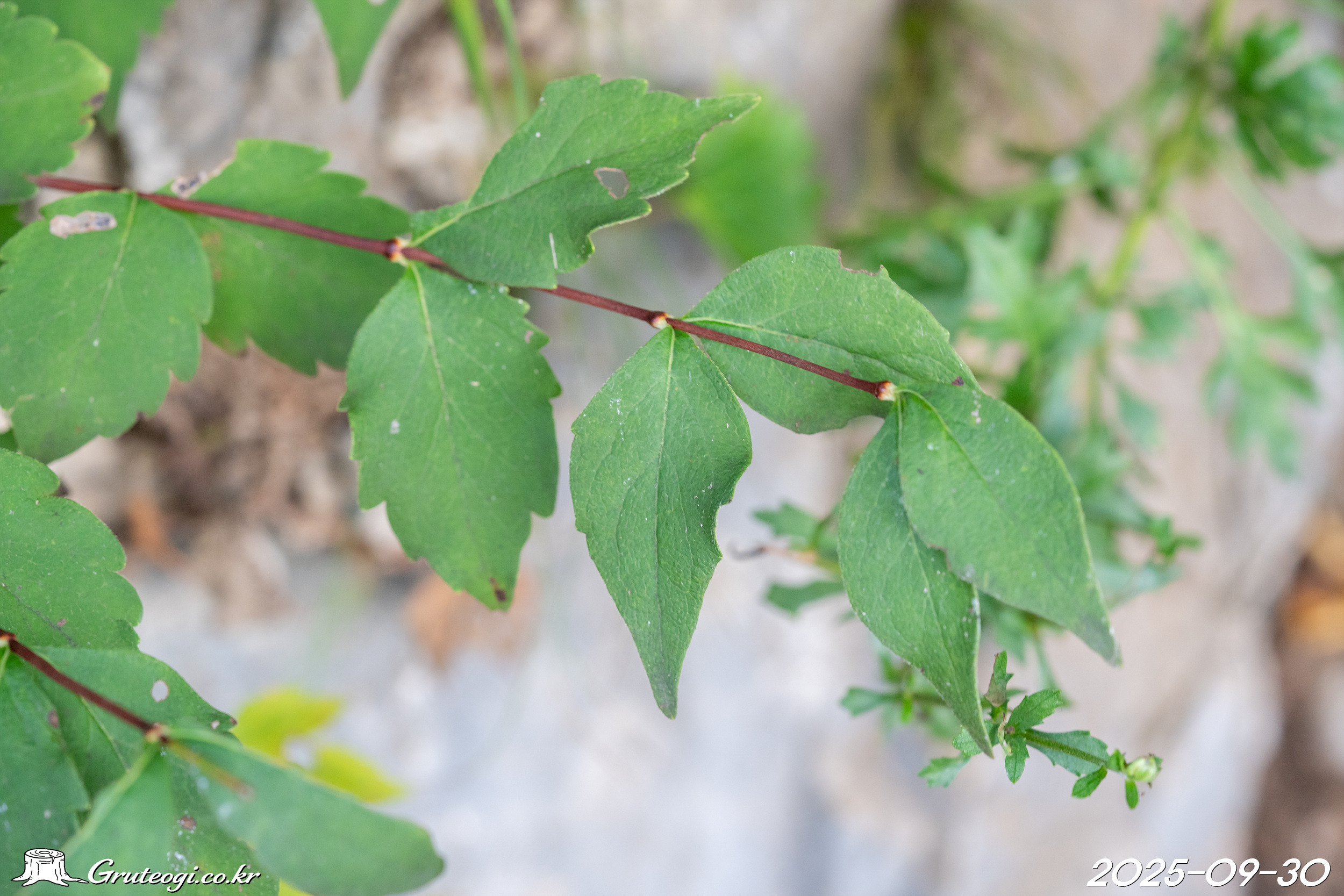
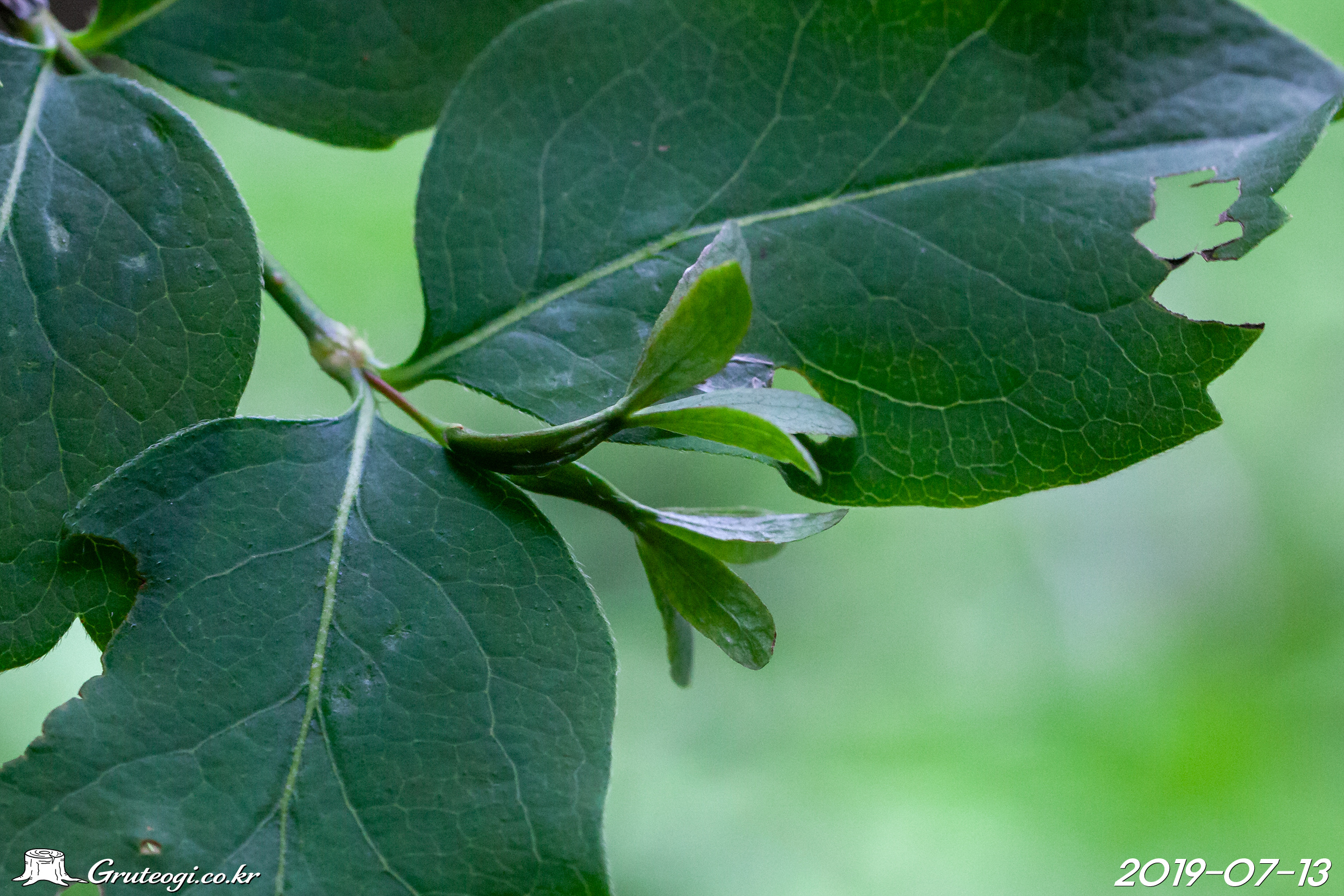
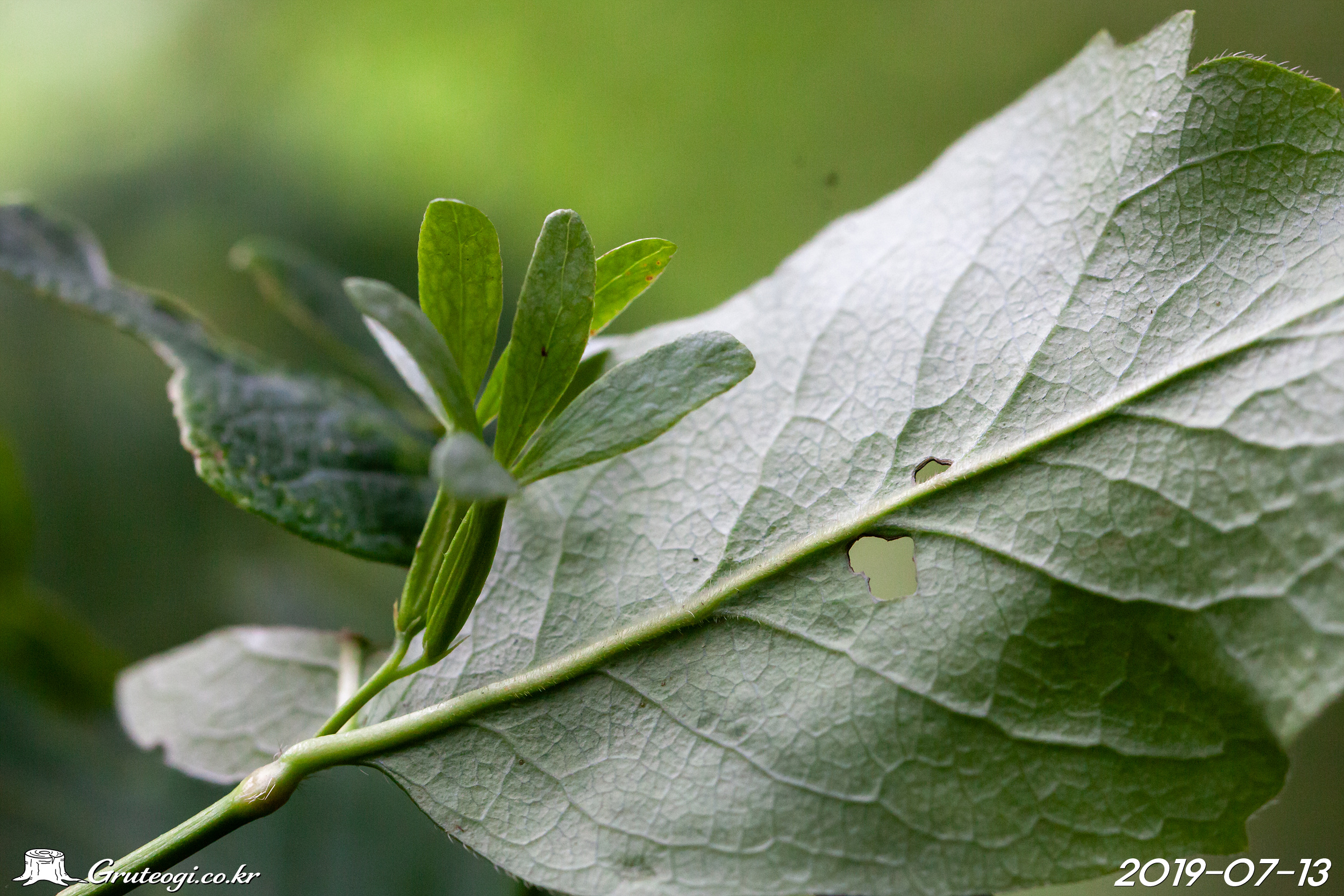
Leaf
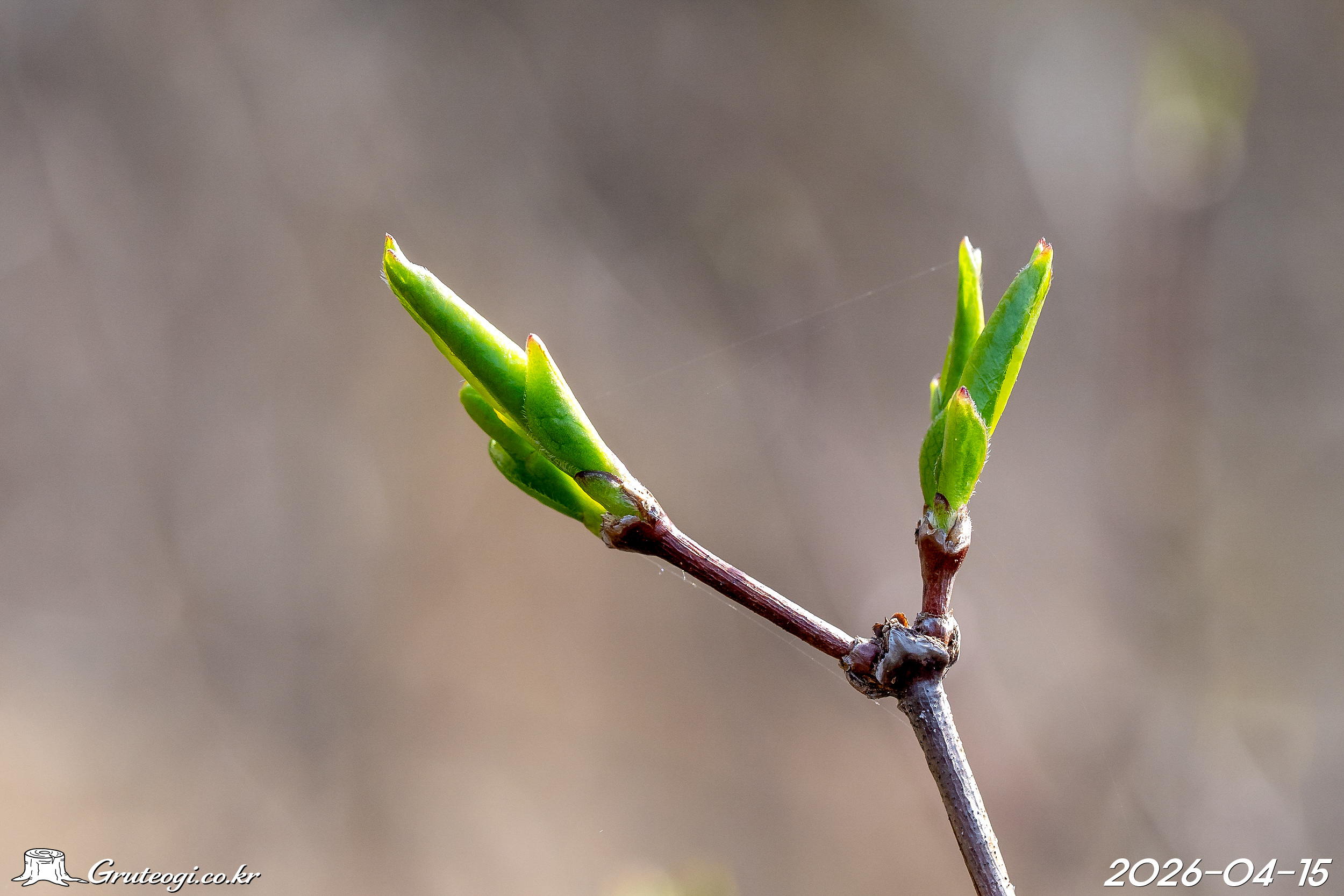
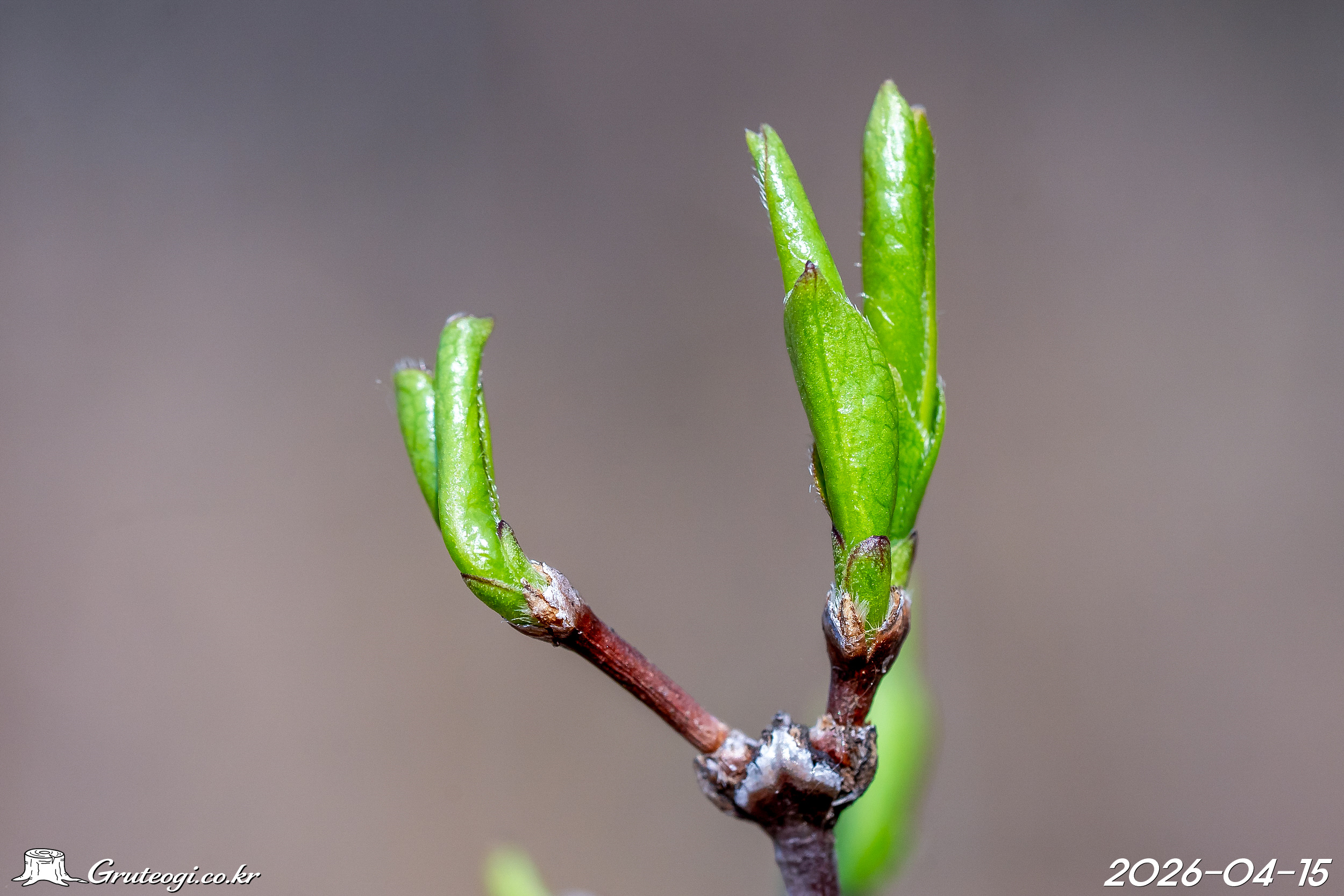
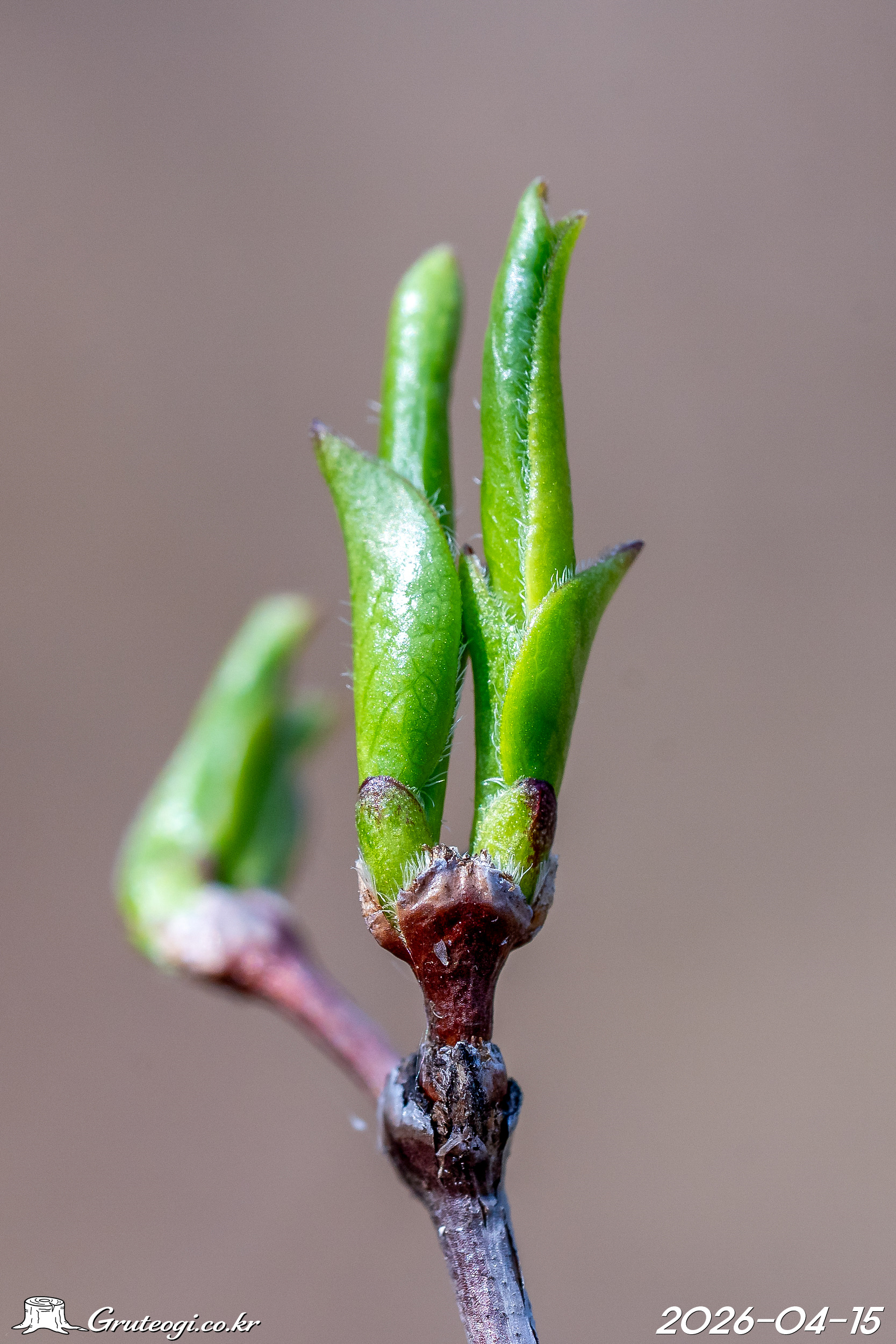
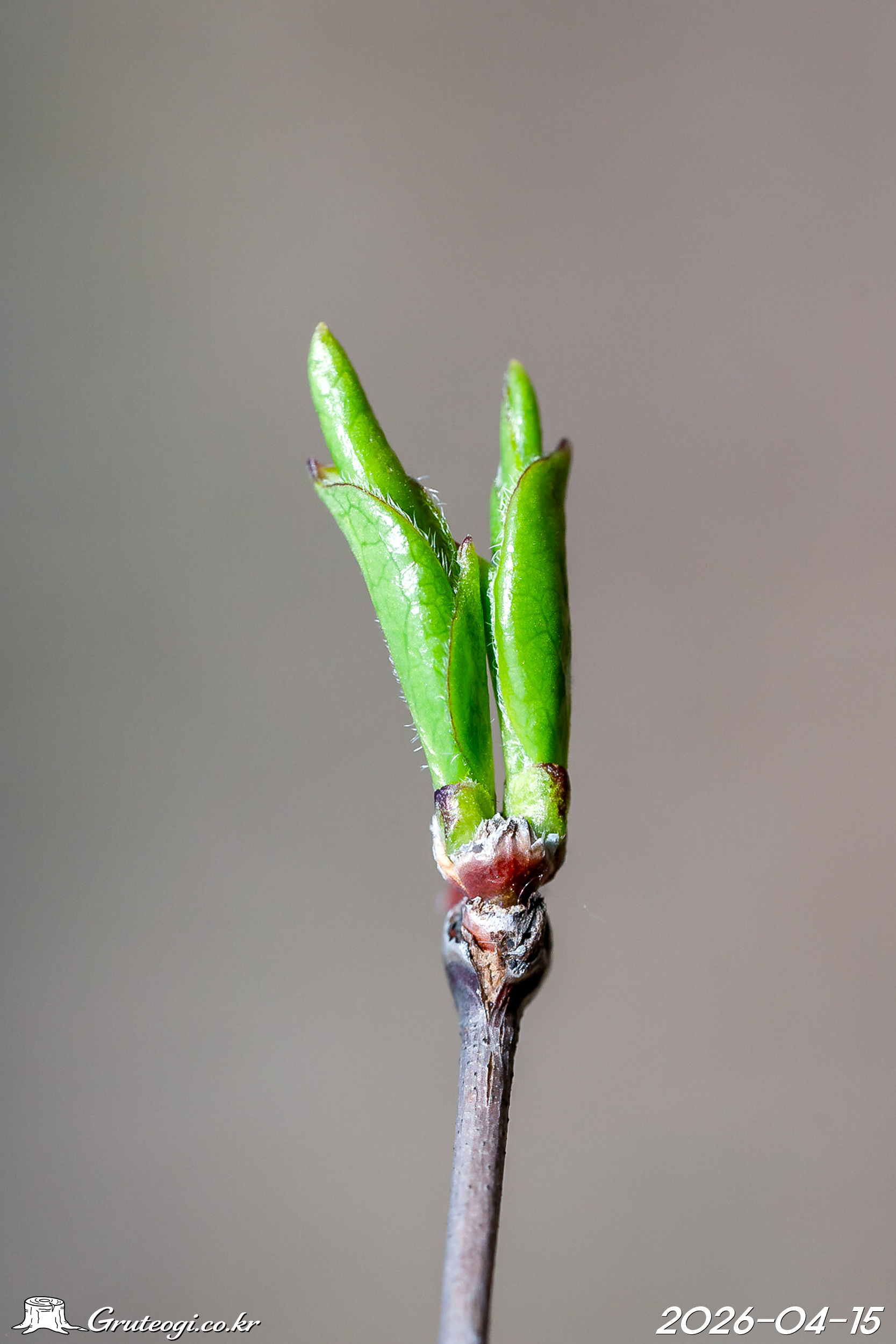
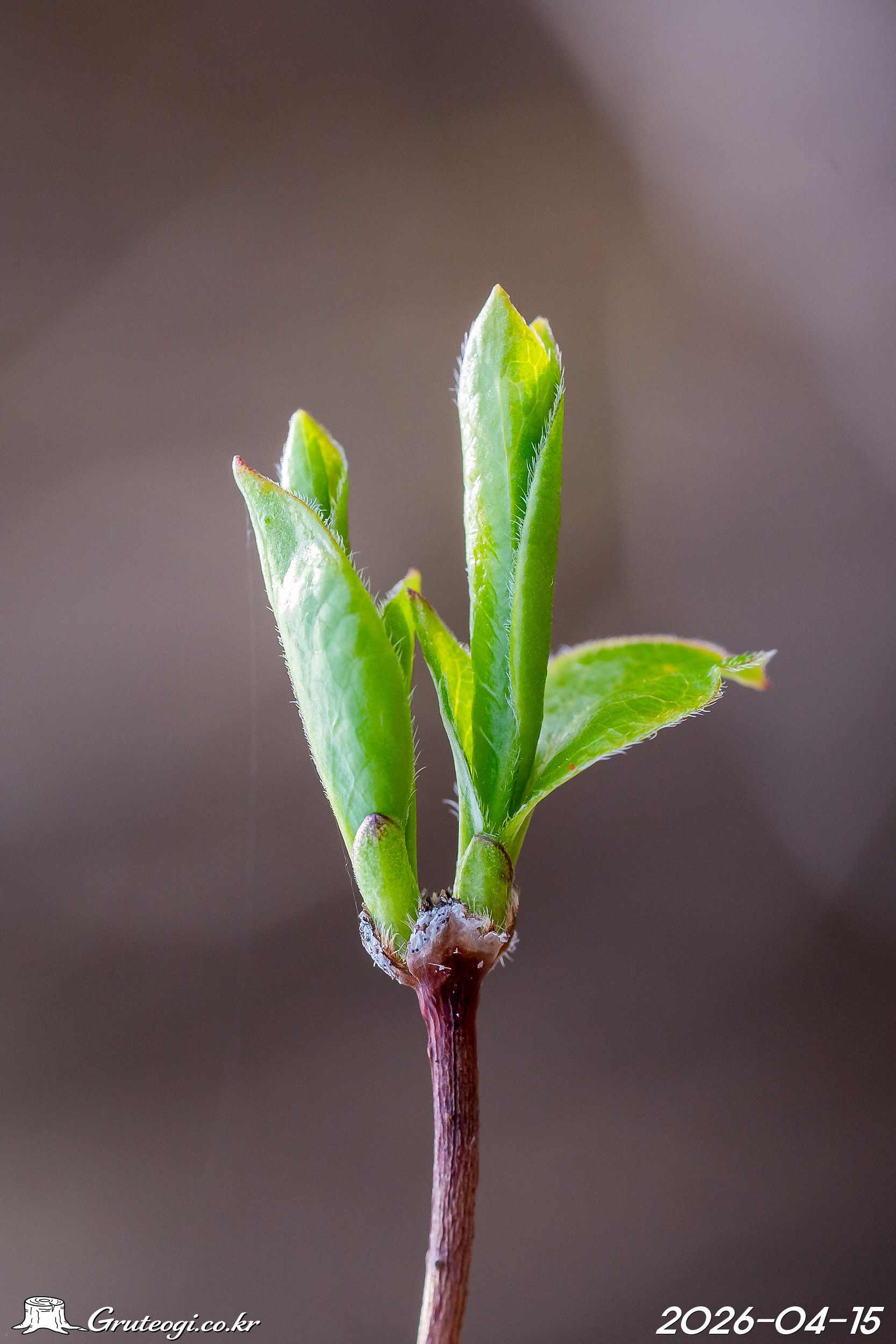
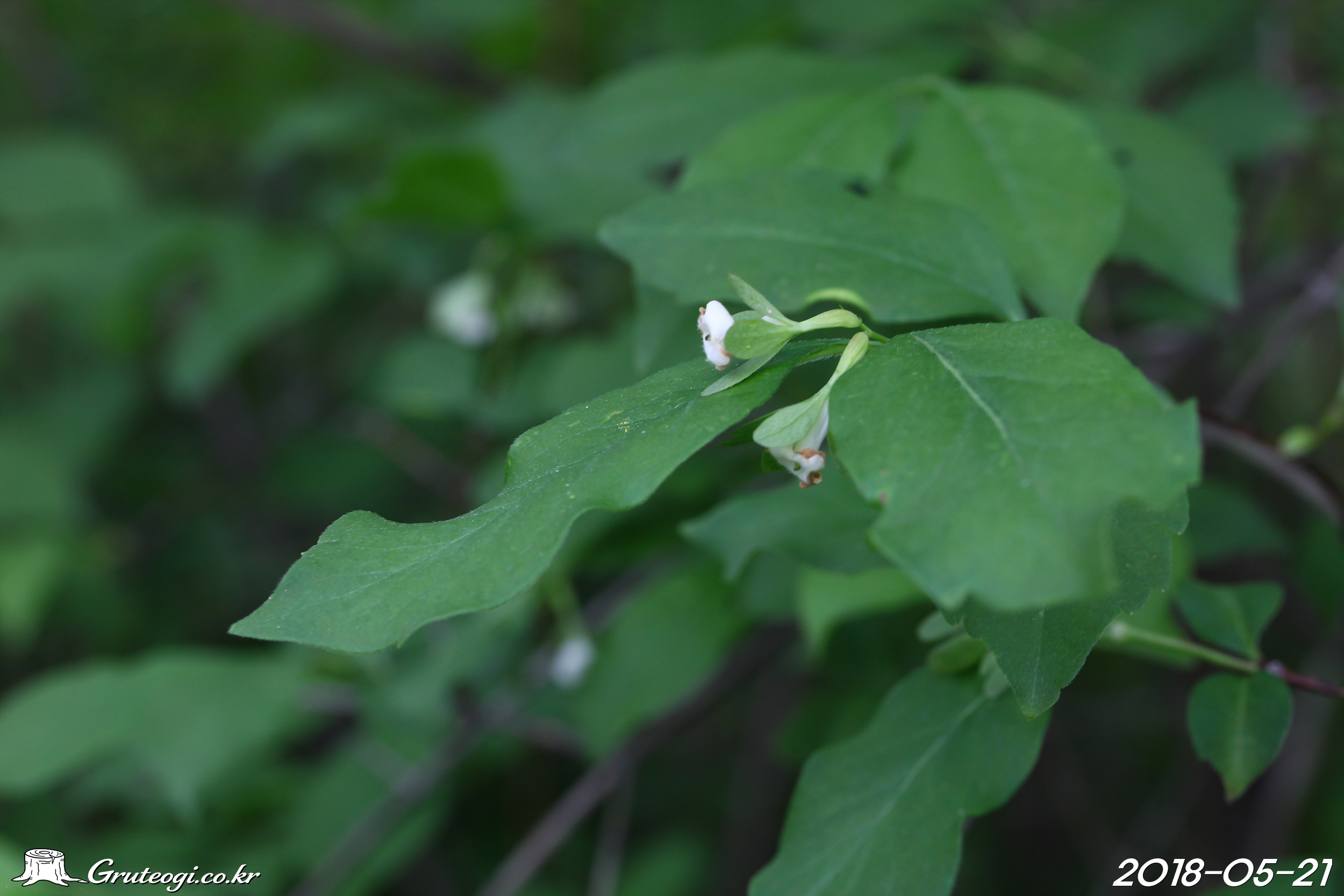
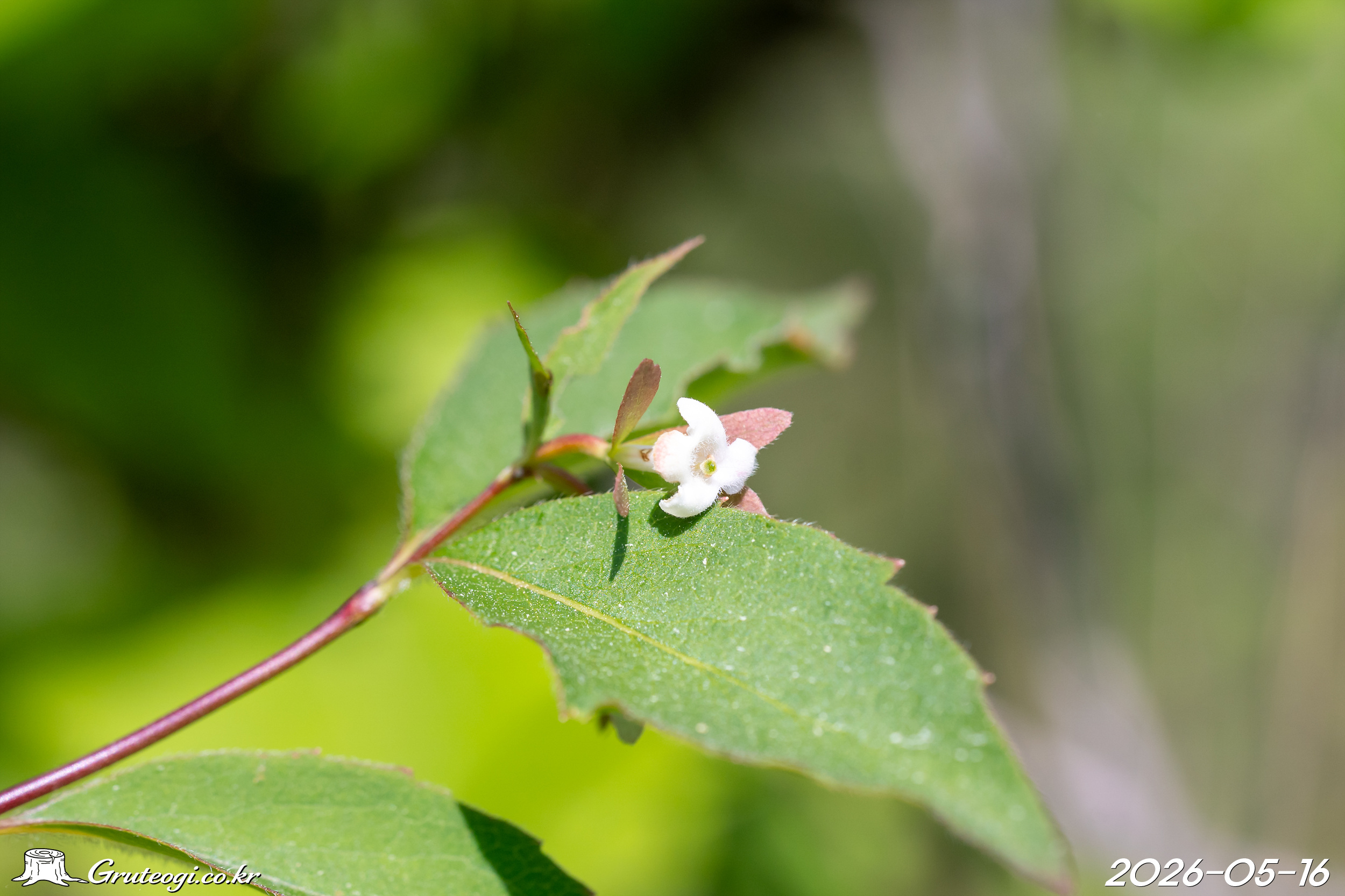
Flower
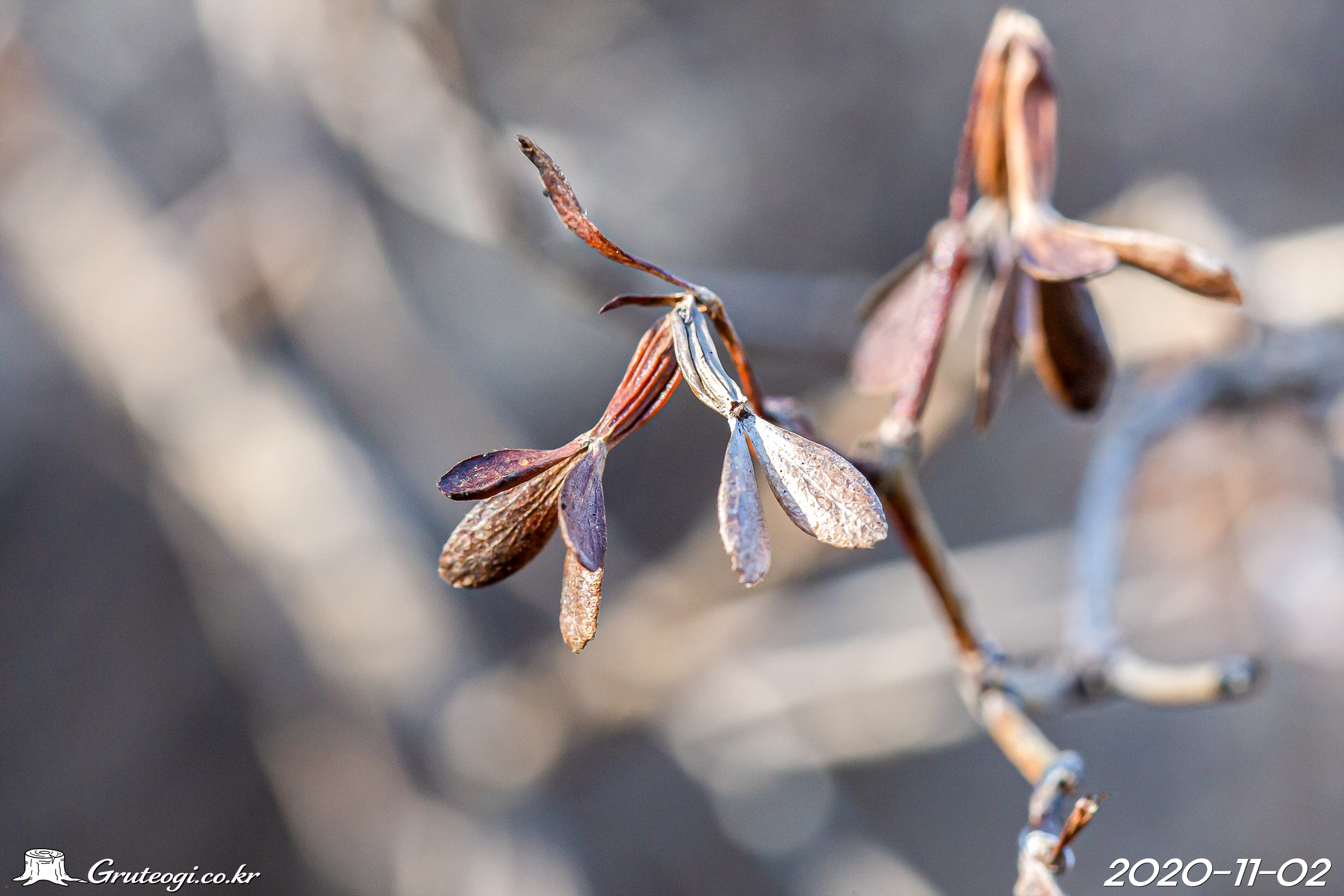
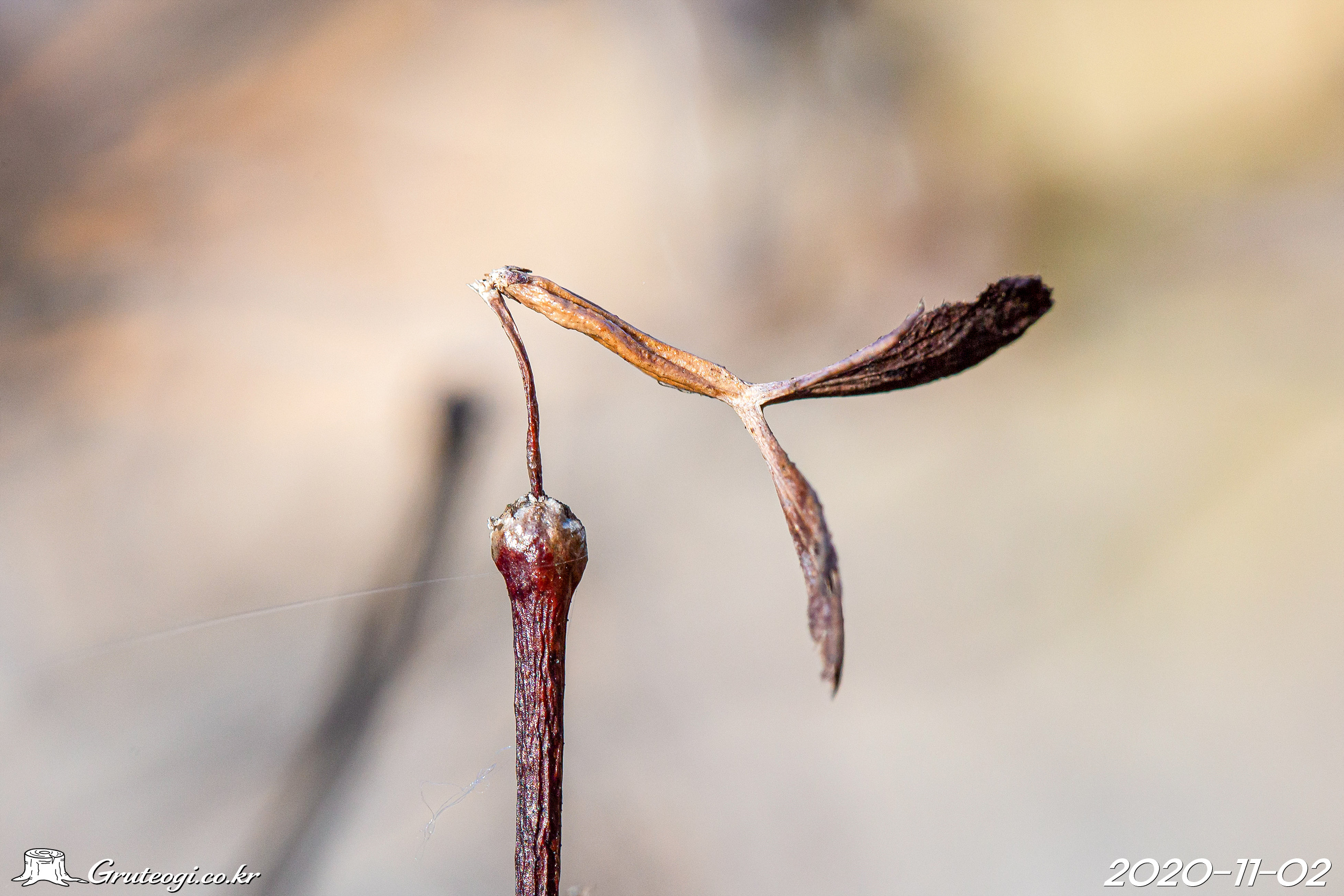
Fruit
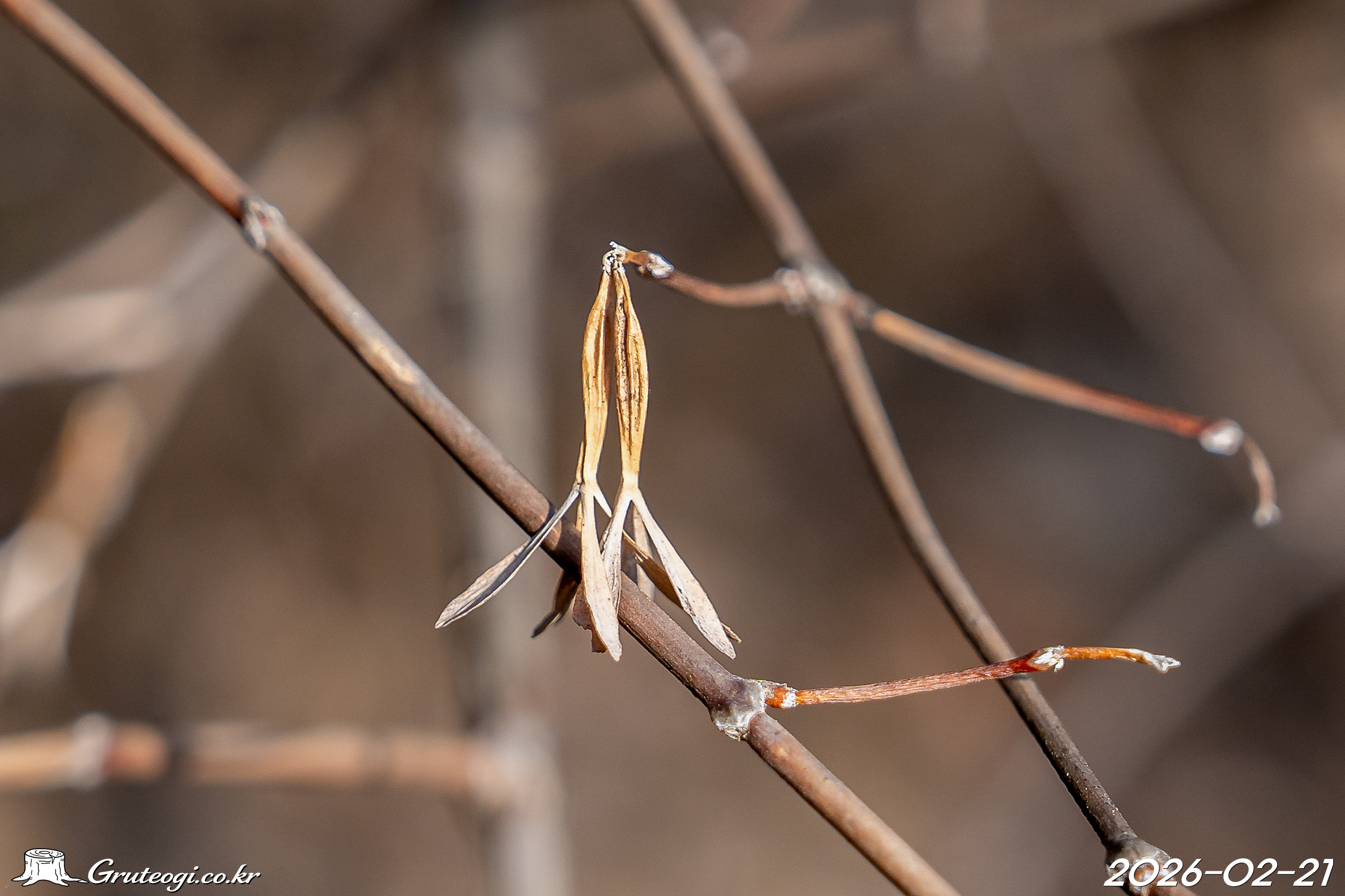
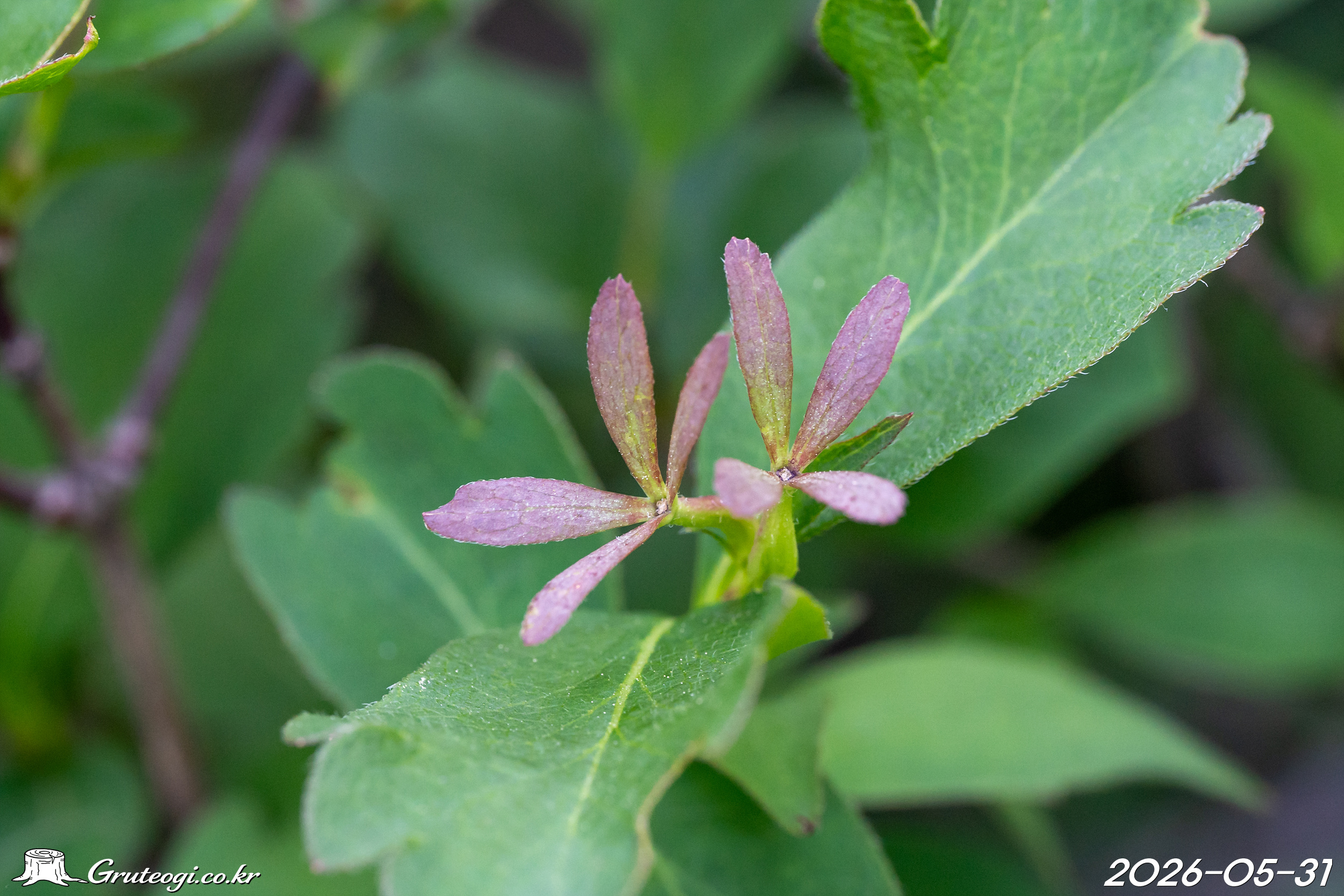
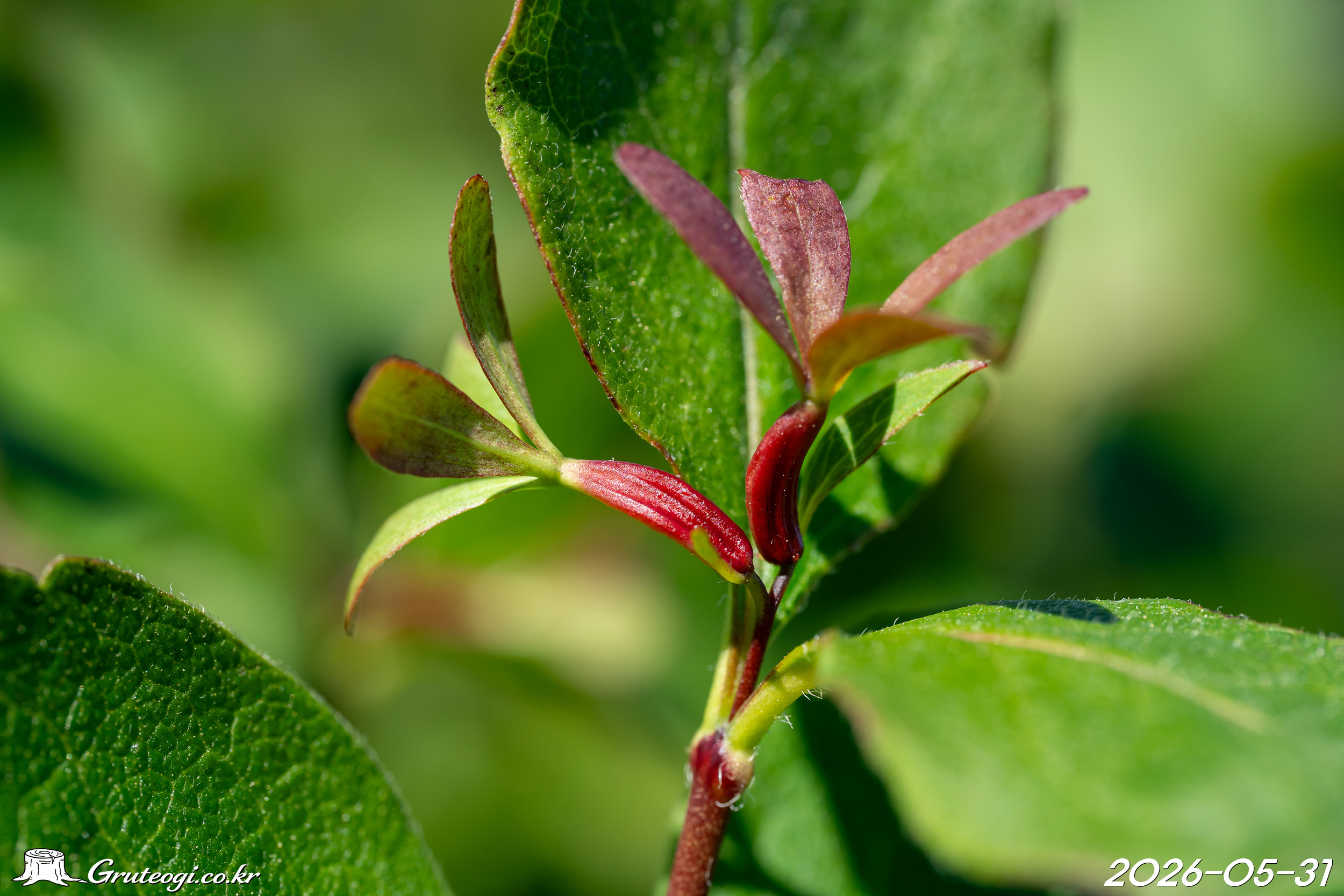
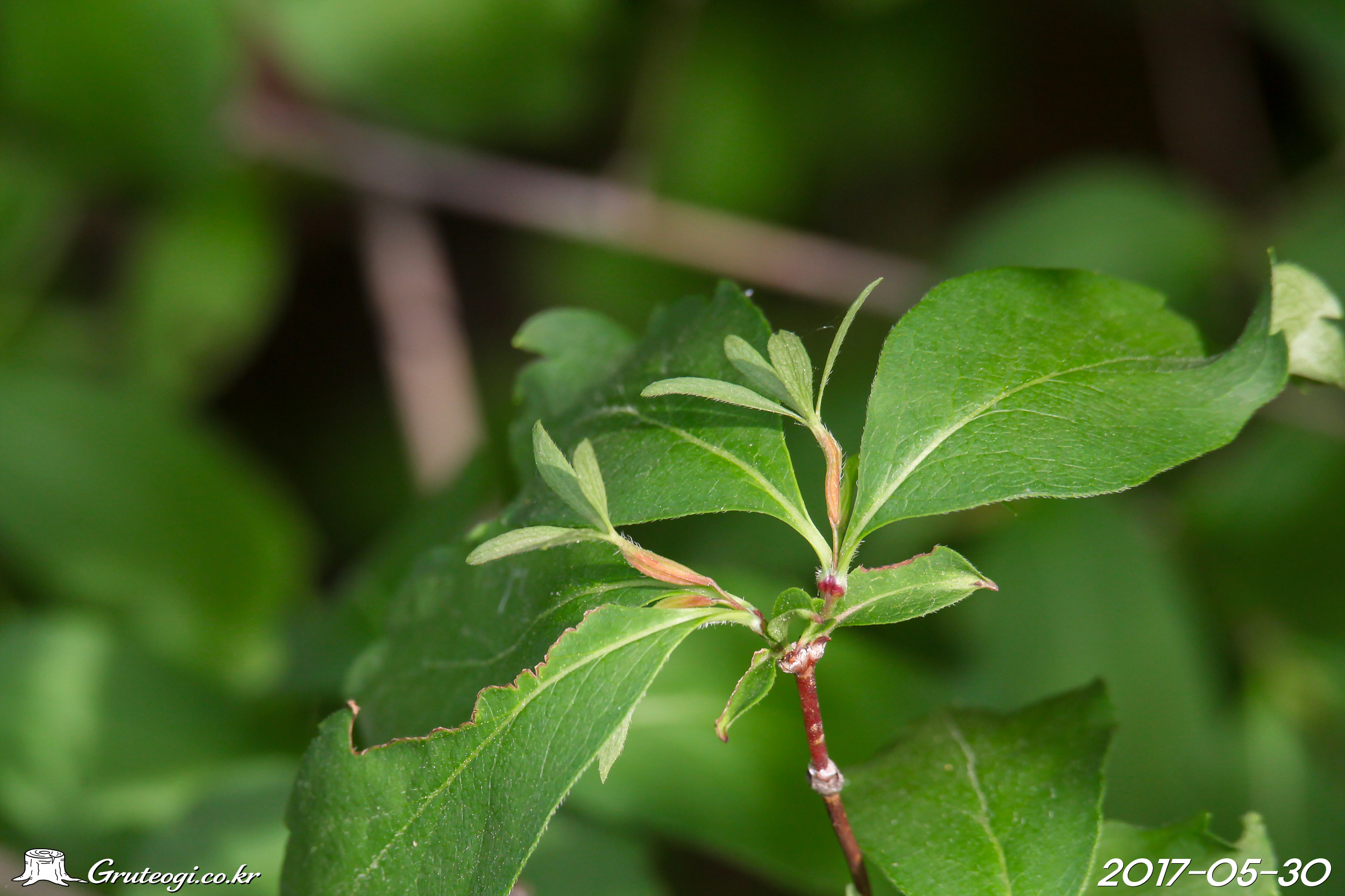
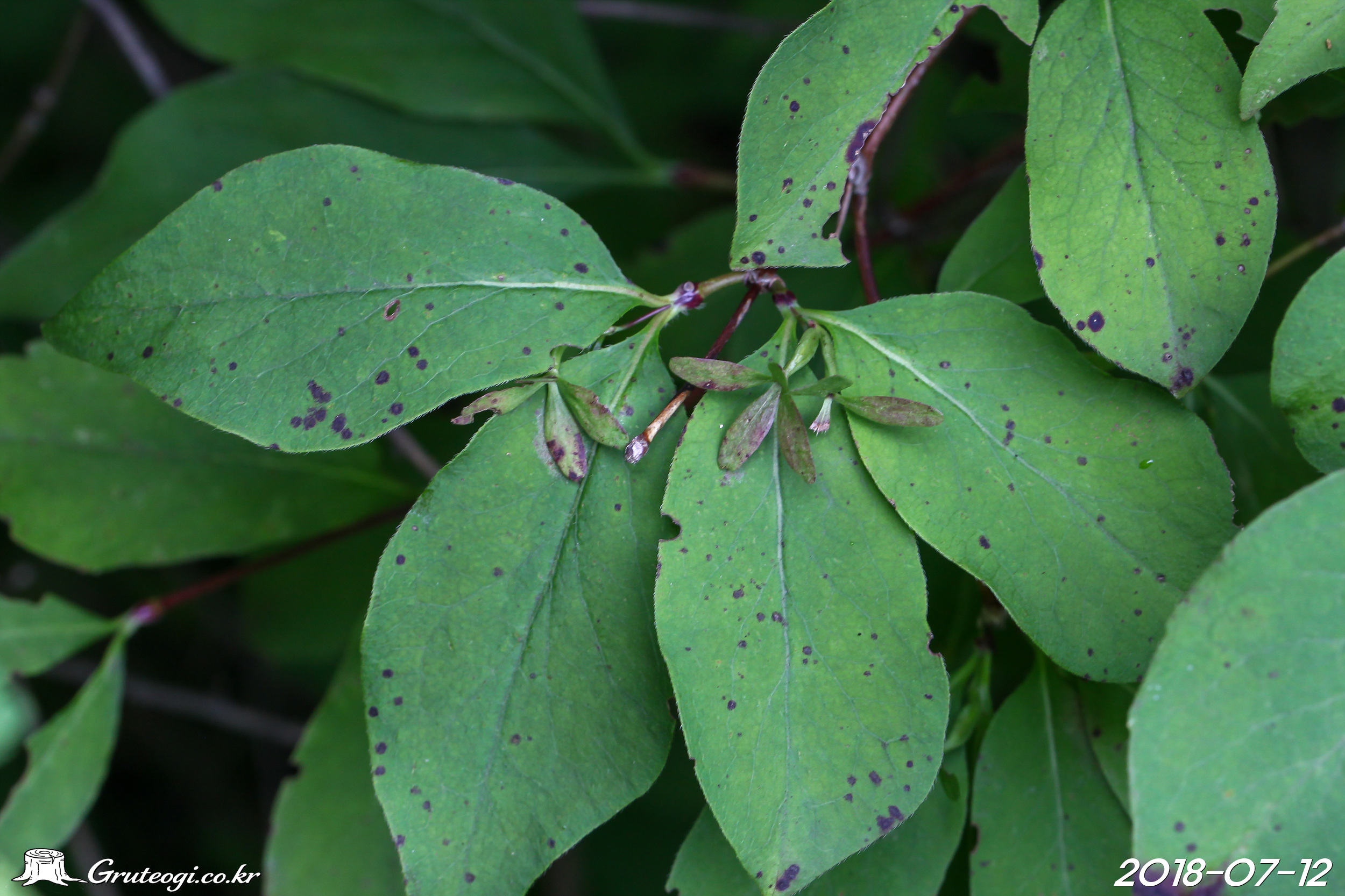
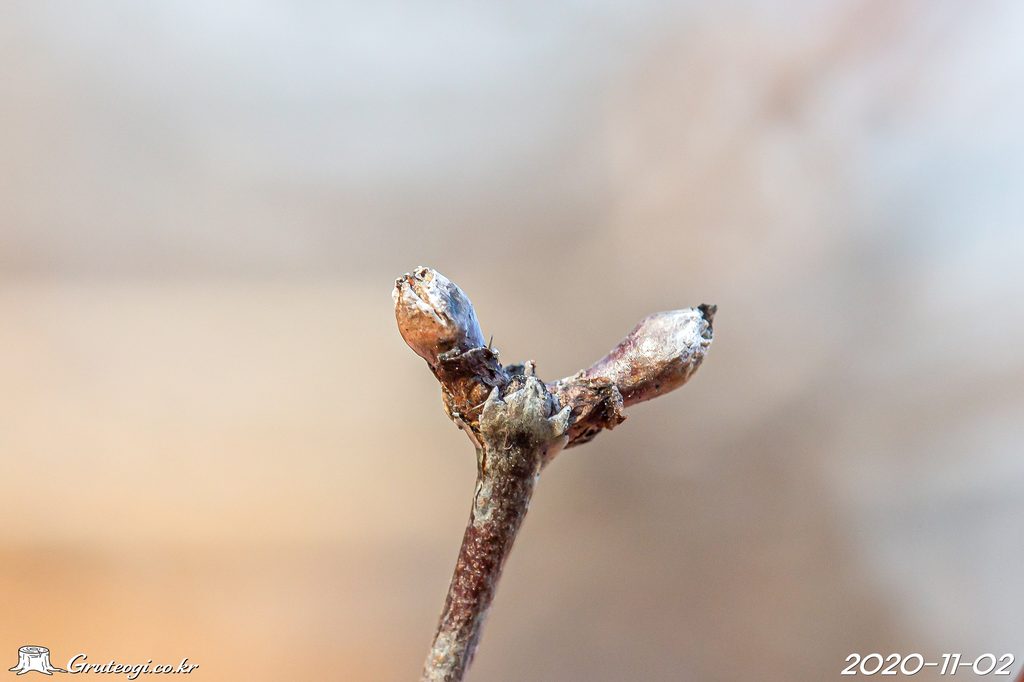
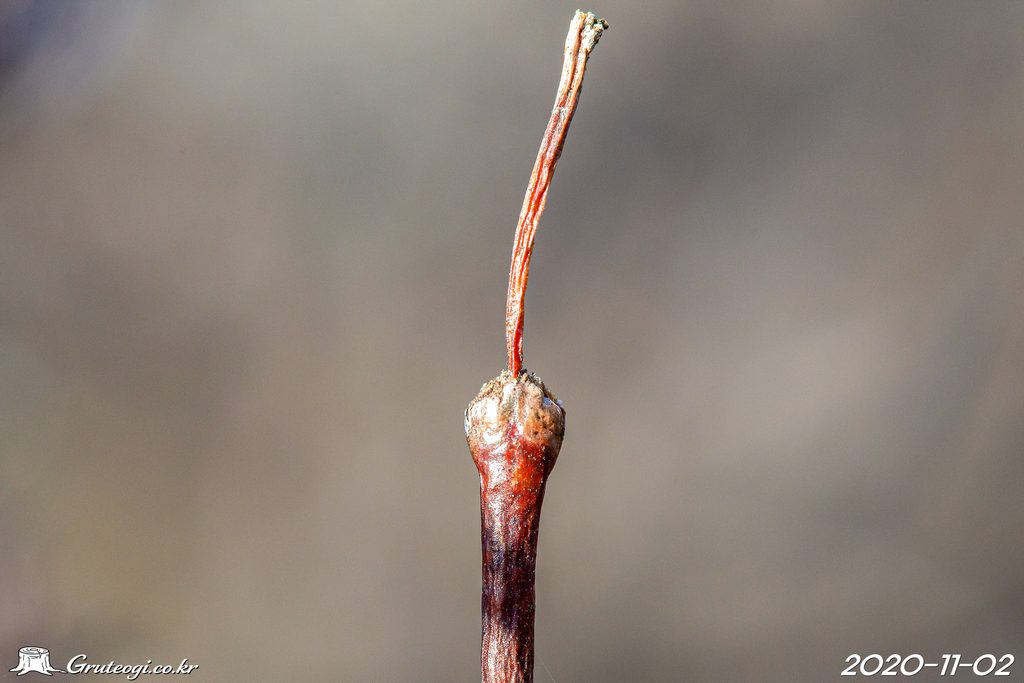
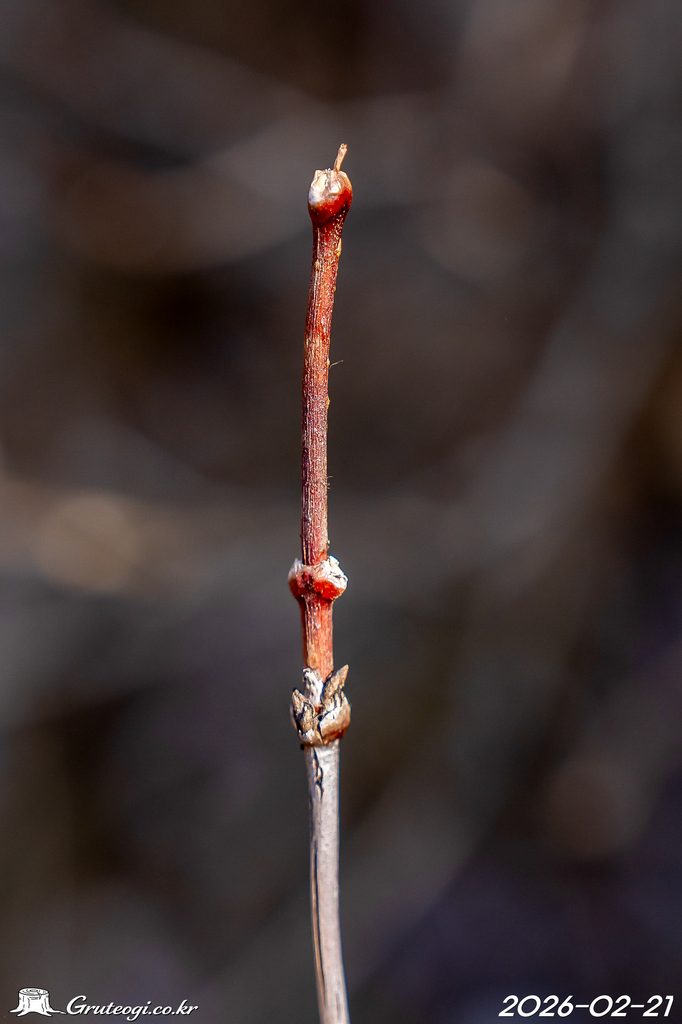
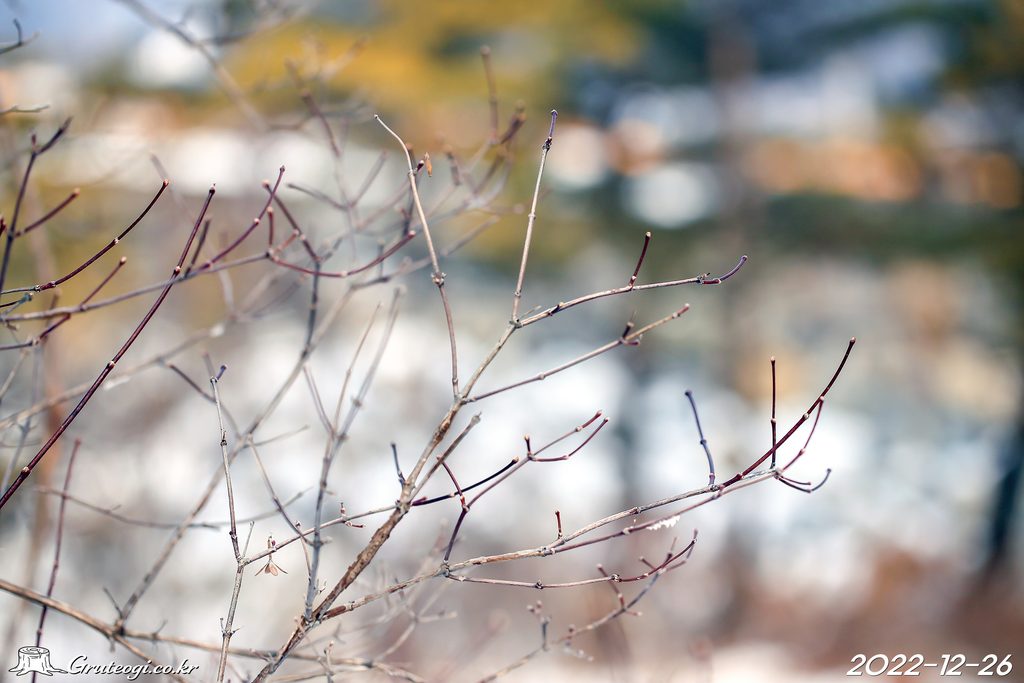
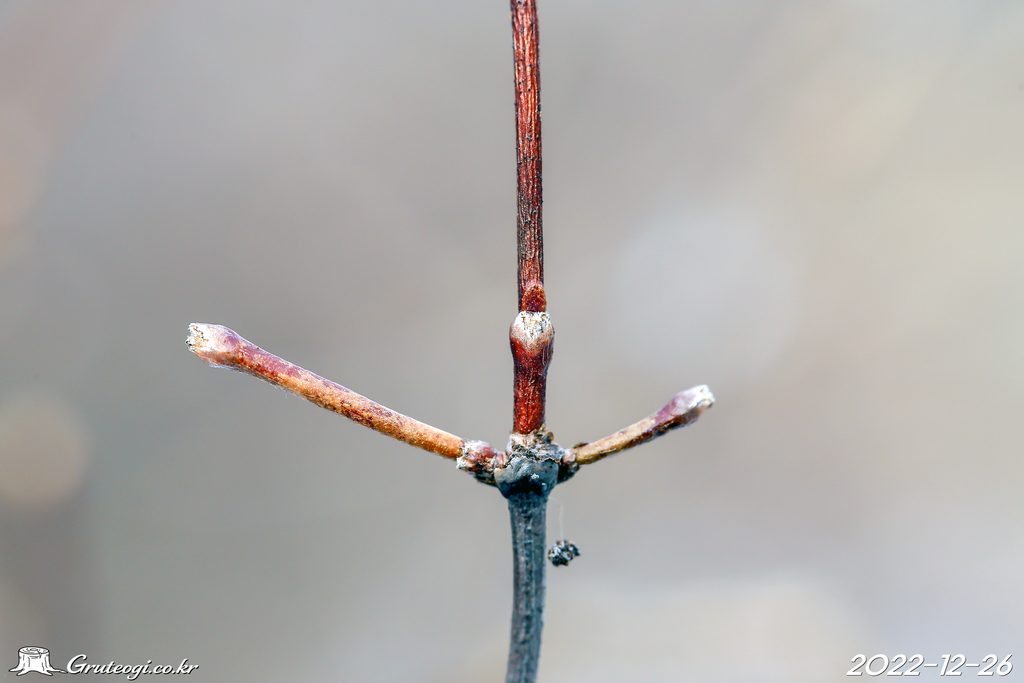
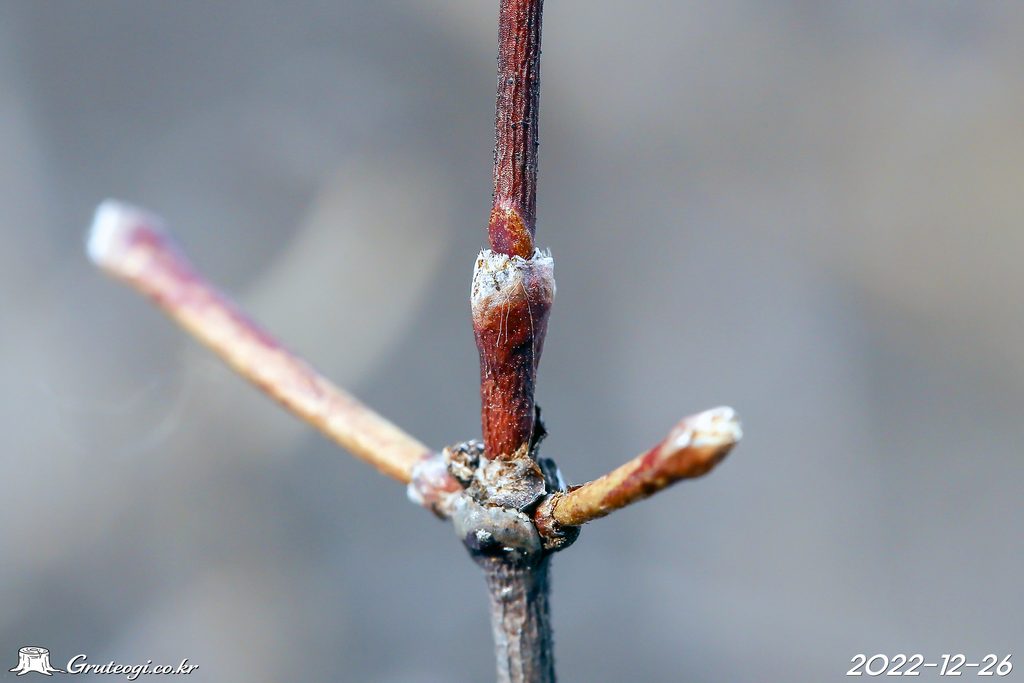
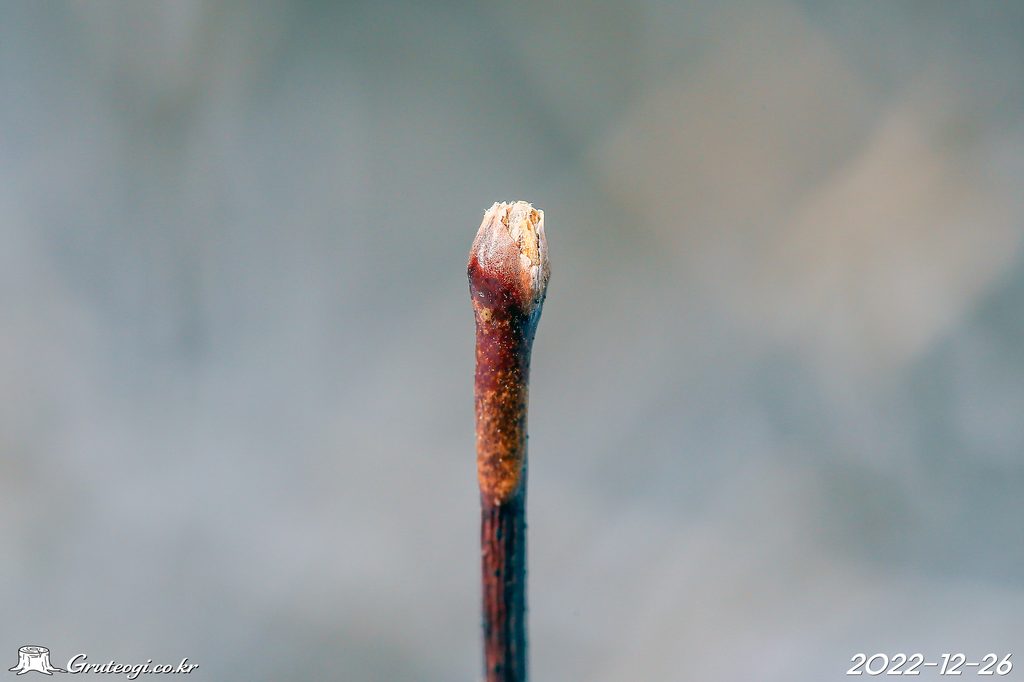
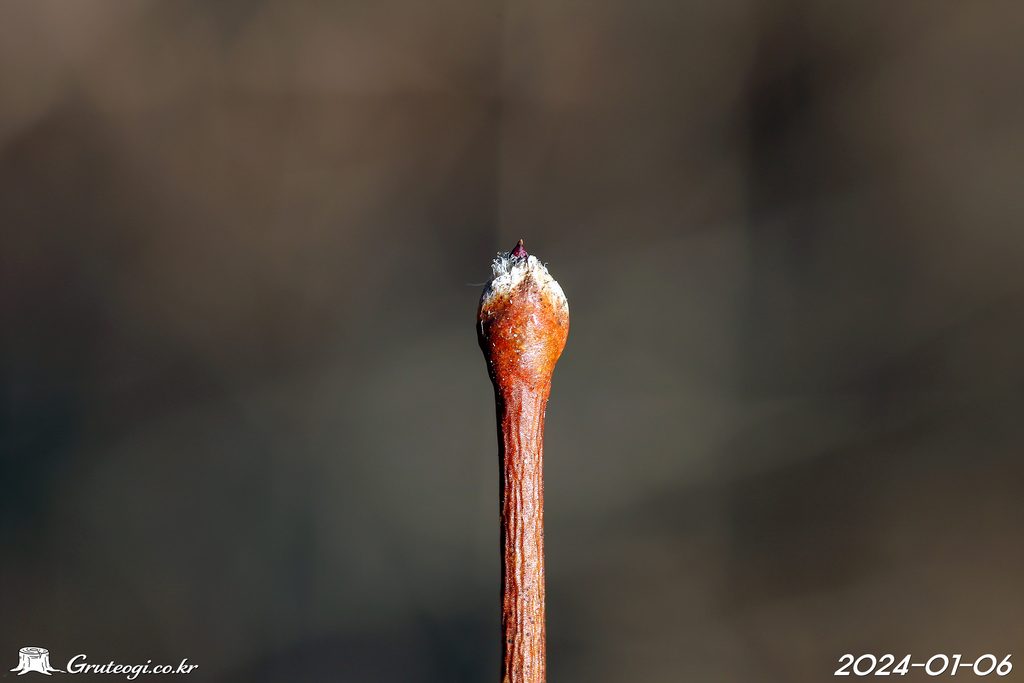
Winter
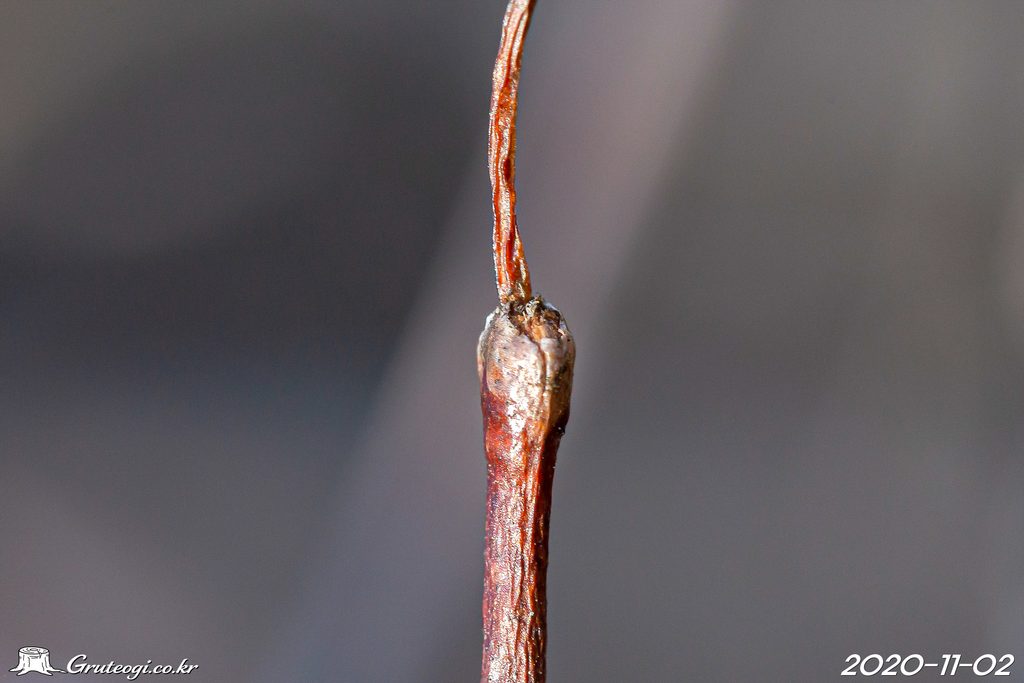
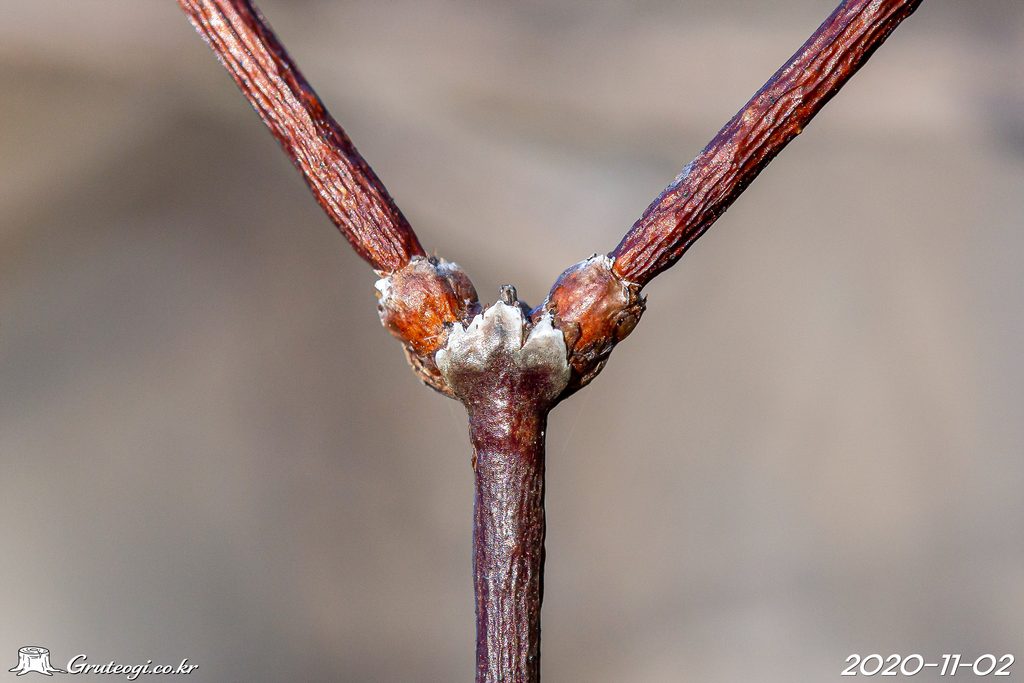
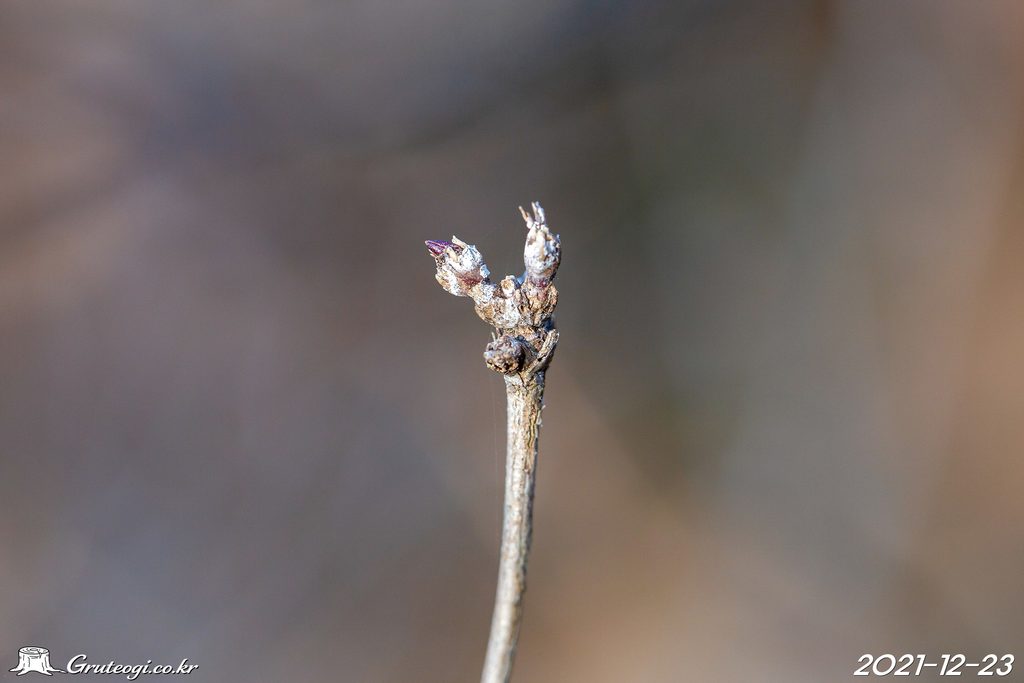
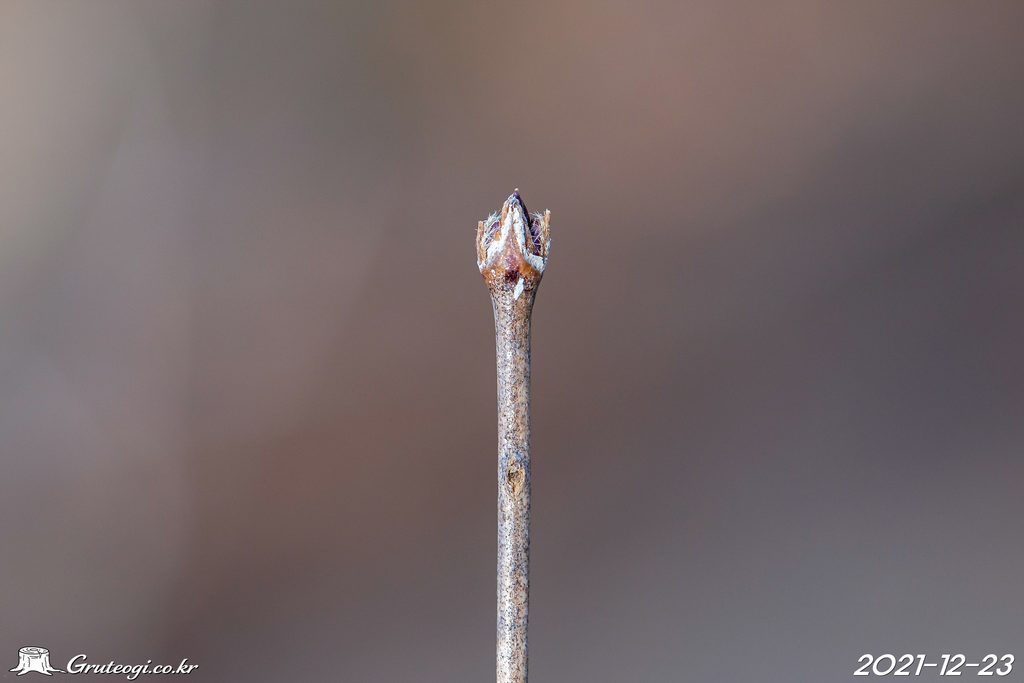
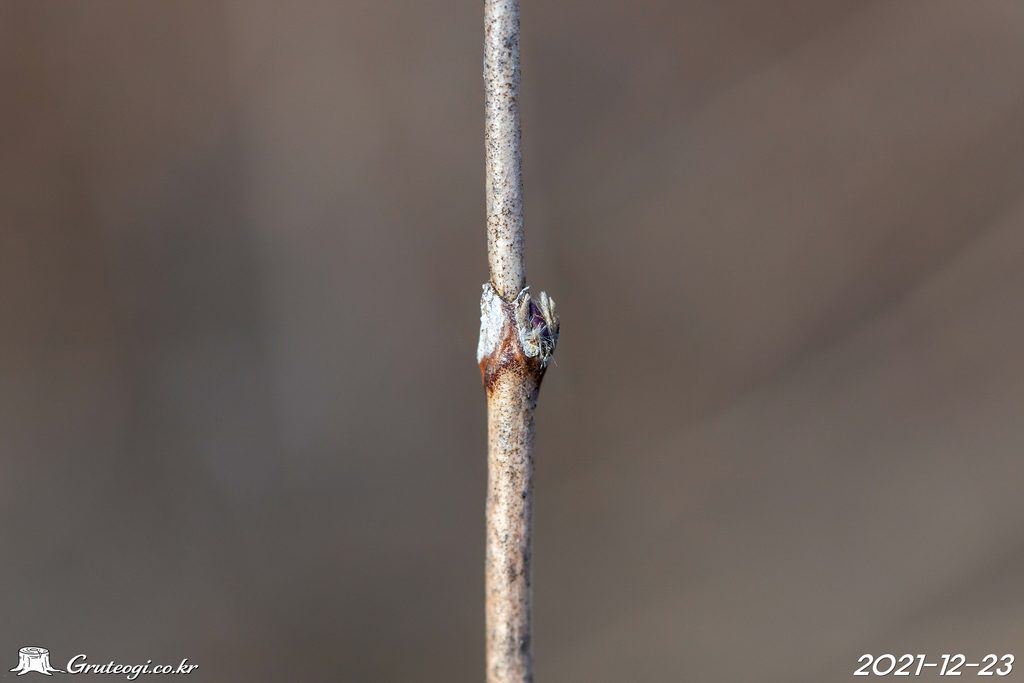
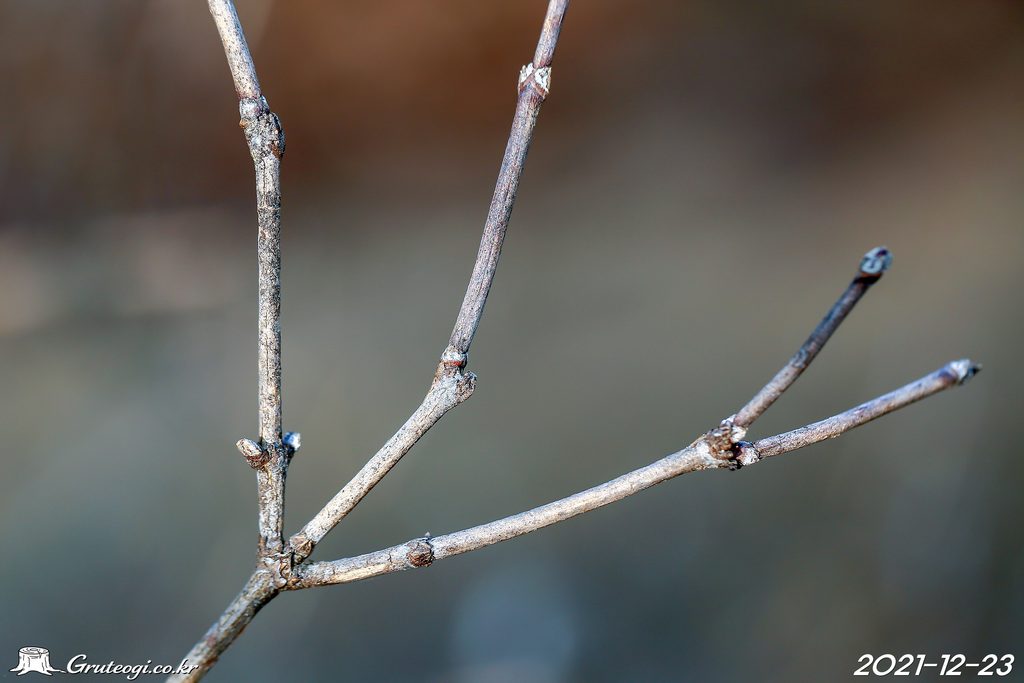
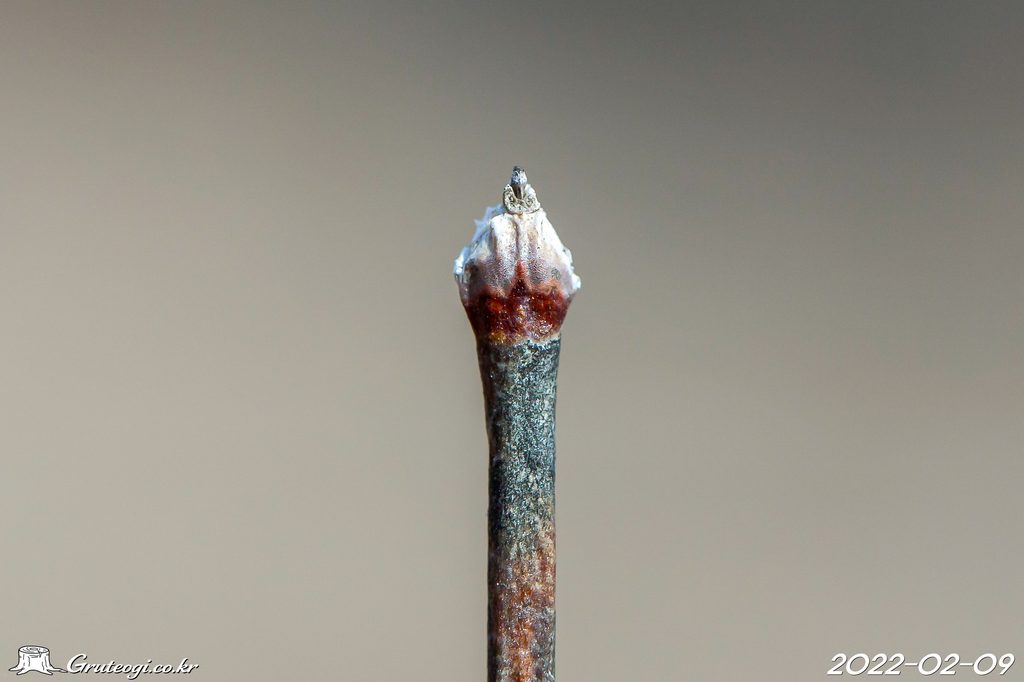
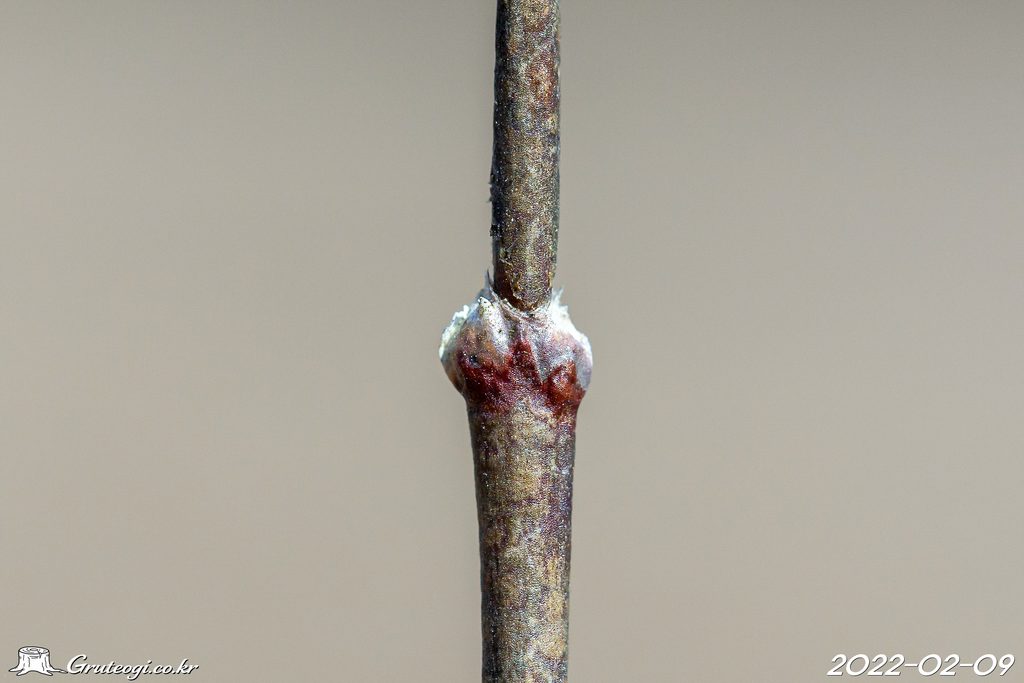
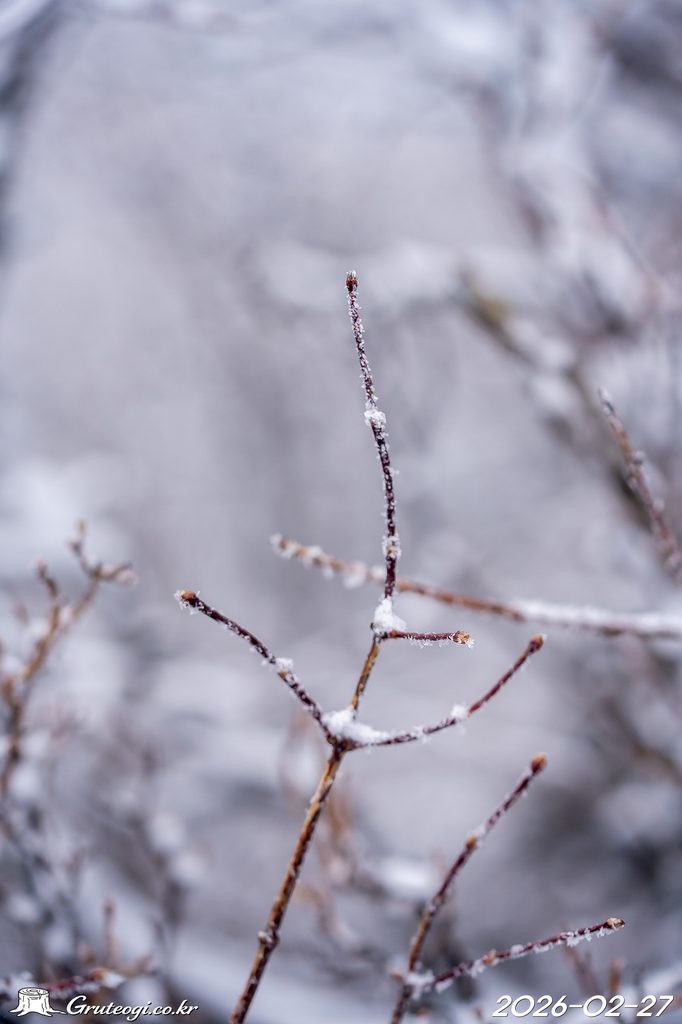
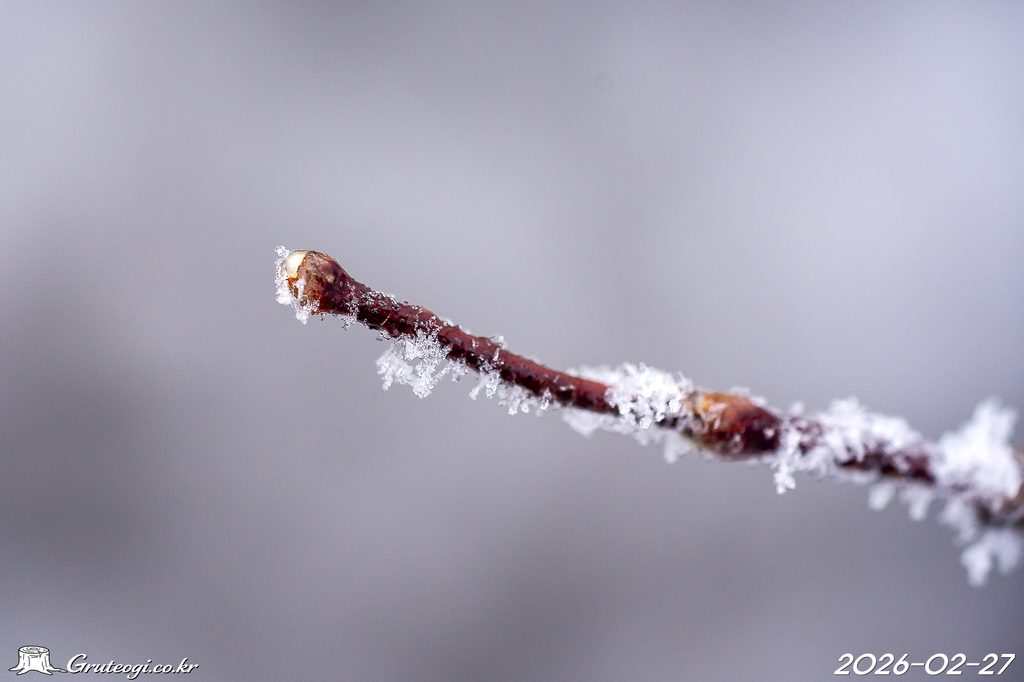
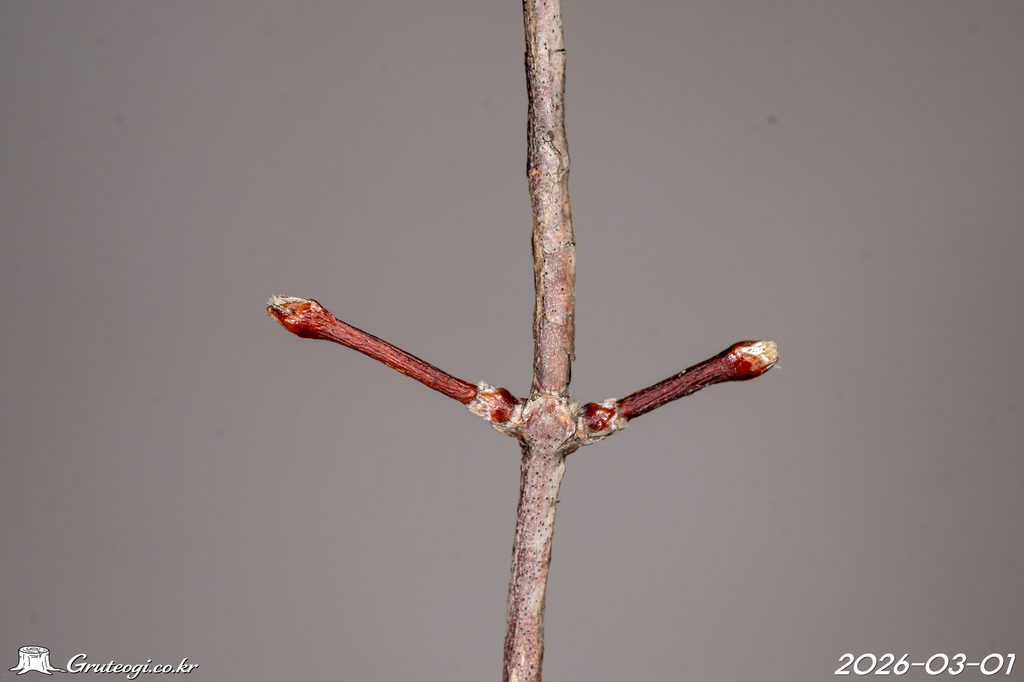
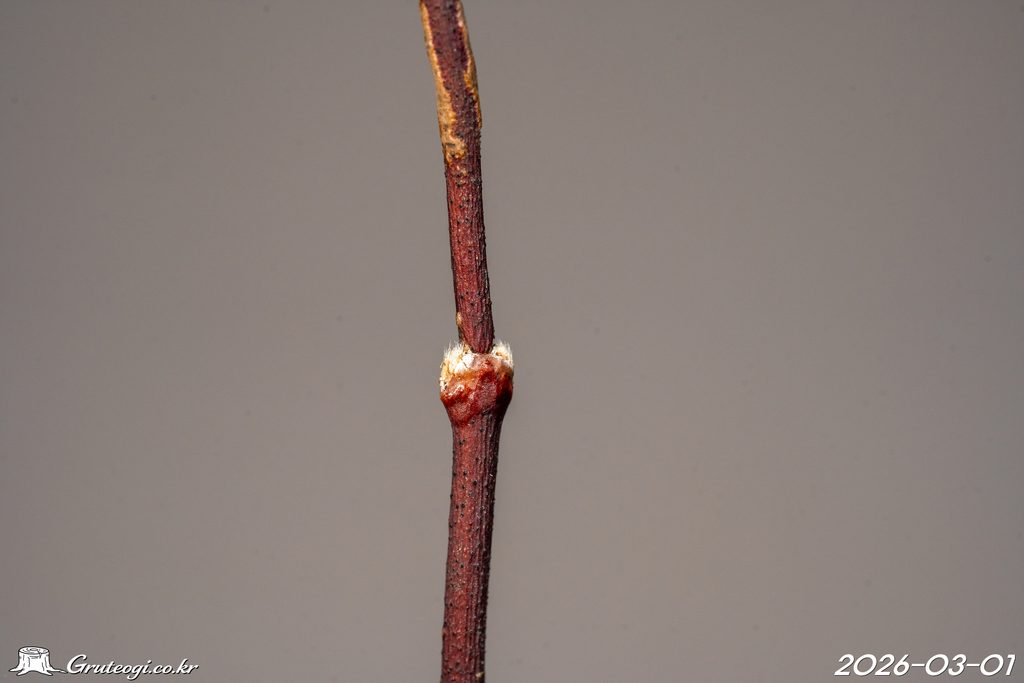
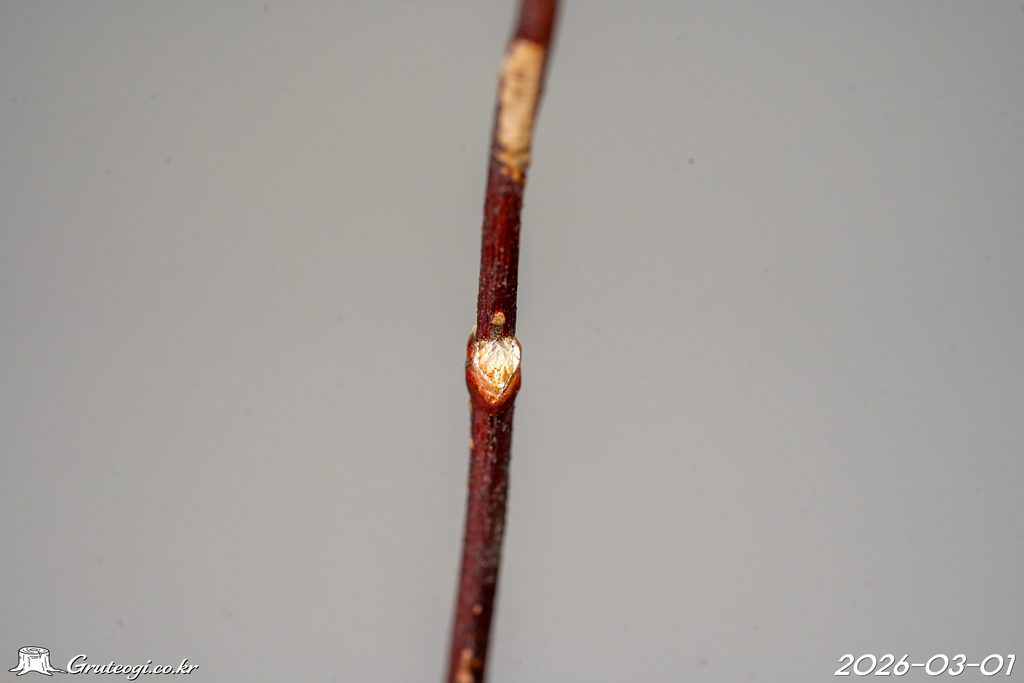
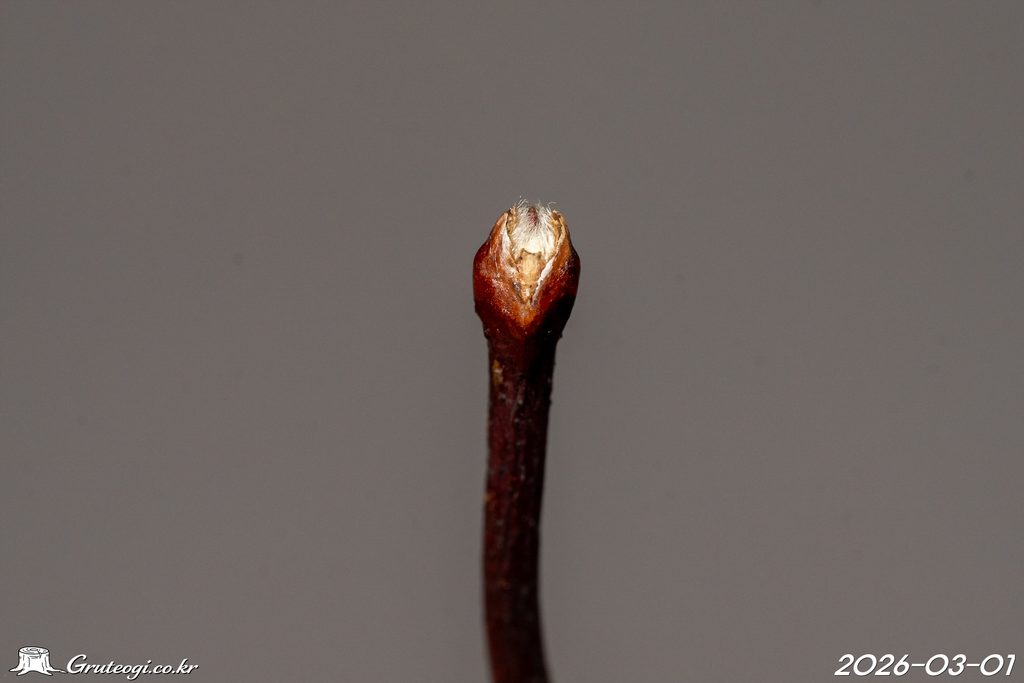
■ 학명
Zabelia biflora (Turcz.) Makino
■ 국명
털댕강나무 (Teoldaenggangnamu)
■ 분류
Family: Caprifoliaceae 인동과
Genus: Zabelia 댕강나무속
■ 특징
식물구계학적 특정식물 Ⅲ등급
기후취약종: 취약(북)
습지선호도: 절대육상식물
■ 형태
▪ Habit
– 높이 약 2m의 낙엽떨기나무이다.
▪ Stem
– 원줄기에는 6줄의 홈이 있고 거친 털이 있다.
– 어린가지는 붉은빛이 돌며 털이 없다.
▪ Leaf
– 잎은 마주나며 난상피침형이고 양 끝이 뾰족하다.
– 잎은 길이 3~7cm이다.
– 잎 가장자리의 상반부에는 몇 개의 톱니가 있다.
– 잎 표면에는 털이 약간 있다.
– 잎 뒷면의 맥 위와 가장자리에는 털이 있다.
▪ Flower
– 꽃은 4~5월에 핀다.
– 꽃은 가지 끝에 달리며 한 꽃자루에 2개씩 달린다.
– 꽃받침통은 4개로 갈라지고 가장자리에 털이 있다.
– 꽃부리는 깔때기 모양이다.
▪ Fruit
– 열매는 선상 장타원형의 수과이다.
– 열매는 9~10월에 성숙한다.
■ 분포
Korea: 경상북도, 충청북도, 경기도, 강원도와 북부지방 등의 저지대 석회암 지역 또는 높은 산의 바위지대에서 자란다.
Outside Korea: 중국 황허강 북부와 러시아 우수리강 지역 등에 분포한다.
■ 비교
Zabelia속은 Abelia속과 유사하지만, 마주난 잎의 잎자루 기부가 넓어져 서로 붙고 겨울눈을 감싸며, 오래된 가지에는 흔히 6개의 세로 홈이 발달한다. 화관은 긴 통 끝이 갑자기 펼쳐지는 고부형이고 화관통 기부가 뚜렷하게 부풀지 않는다. 반면 Abelia속은 잎자루 기부가 서로 붙지 않고 겨울눈이 노출되며 여러 쌍의 아린으로 싸이고, 화관은 깔때기형 또는 양순형이며 화관통 기부의 배쪽이 볼록하게 부푼다. 두 속은 화분 형태에서도 차이가 있으며, 분자계통 연구에서도 Zabelia는 Abelia와 구별되는 계통으로 지지된다.
■ 검토 메모
과거 Abelia biflora로 처리되었으며 Flora of China에서는 Linnaeaceae의 Zabelia로 분류하였다. 분자계통 연구에서는 Zabelia가 Abelia와 뚜렷이 구별되는 계통으로 나타나며, plastome 계통유전체 분석에서는 Zabelia의 단일계통성과 Morinoideae와의 자매군 관계가 강하게 지지되었다. 현재 POWO(WCVP)와 World Flora Online은 Zabelia를 독립 속으로 인정하고 광의의 Caprifoliaceae에 포함한다.
■ 참고자료
1. https://species.nibr.go.kr/species-detail/120000063564
2. Jacobs, B., Pyck, N. & Smets, E. (2010). Phylogeny of the Linnaea clade: Are Abelia and Zabelia closely related? Molecular Phylogenetics and Evolution, 57(2): 741–752. DOI: 10.1016/j.ympev.2010.08.007.
3. Wang, H.-X. et al. (2020). Plastid phylogenomic insights into the evolution of the Caprifoliaceae s.l. (Dipsacales). Molecular Phylogenetics and Evolution, 142: 106641. DOI: 10.1016/j.ympev.2019.106641.
4. Wang, H.-X., Morales-Briones, D.F., Moore, M.J., Wen, J. & Wang, H.-F. (2021). A phylogenomic perspective on gene tree conflict and character evolution in Caprifoliaceae using target enrichment data, with Zabelioideae recognized as a new subfamily. Journal of Systematics and Evolution, 59(5): 897–914. DOI: 10.1111/jse.12745.
5. World Flora Online Consortium. (2026). Zabelia (Rehder) Makino. World Flora Online.